
Key Highlights
- Yes, babies with autism do smile, but their smiling patterns often differ from those of other infants.
- Key differences can include delayed social smiling, fewer smiles in response to social interaction, and smiles that are shorter in duration.
- A lack of responsive smiles can be one of the early signs of autism, especially when seen with other indicators like reduced eye contact.
- Understanding these variations in developmental milestones is crucial for early identification of autism spectrum disorder.
- If you have concerns, observing these patterns and seeking a professional evaluation is an important step.
Introduction
As a parent, you cherish every milestone, and your baby’s first smile is one of the most magical. But what if their smiles seem different, or less frequent? This can lead to the question, “Do babies with autism smile?” The answer is yes, they do. However, their smiling patterns can be among the early indicators of autism. Understanding these differences in developmental milestones is the first step in recognizing if your child might be on the autism spectrum and knowing when to seek support.
Understanding Smiling as a Developmental Milestone
Smiling is more than just a cute expression; it is one of the most important developmental milestones in a baby’s first year of life. It’s a powerful tool for communication and social engagement, laying the groundwork for future social connections.
Observing your baby’s smiling patterns can offer valuable insights into their development. How and when they smile helps you understand how they are processing the world and connecting with you. Variations in these patterns can sometimes signal different developmental paths.
Why Smiling Matters in Infant Development
Smiling is a baby’s first way of participating in a social interaction. It’s how they begin to build a bond with you and others. When your baby smiles in response to your face or voice, they are learning the back-and-forth rhythm of conversation and showing that they can read social cues.
This simple act is fundamental to social development. It allows infants to express positive emotions like joy and contentment, which strengthens their connection with caregivers. In early childhood, these initial interactions are the building blocks for more complex social skills.
Can a lack of smiling in babies be an early sign of autism? Yes, it can be. While not a definitive sign on its own, a noticeable delay or absence of social smiles, especially when combined with other developmental differences, may warrant a conversation with a healthcare professional. It signals a potential challenge in processing and responding to social information.
How and When Babies Typically Start Smiling
Typically developing infants often show their first reflex smiles right from birth. However, the true social smile, a smile in direct response to you, is a developmental milestone that usually appears when they are between six and eight weeks old.
By three to four months of age, these social smiles become more intentional and frequent. Your baby will start smiling to get your attention or to respond to your playful faces and loving voice. This time point is a key indicator that their brain and vision have matured enough to recognize faces and engage socially.
Differences in smiling can appear quite early. For babies who may later be diagnosed with autism, the delay might become noticeable around the expected two- to three-month mark when social smiles don’t emerge as expected. A lack of smiling by three months is one of the early signs that parents might observe and should discuss with their pediatrician.
Social Smiles vs. Reflex Smiles in Infancy
It’s important to know that not all smiles are the same in infancy. The two main types you’ll see are reflex smiles and social smiles. Reflex smiles are involuntary and often occur during sleep or without any specific trigger. They are not a sign of social engagement but rather a reflection of developing motor skills.
Social smiles, on the other hand, are intentional and communicative. They are a direct response to something in the environment, like seeing a parent’s face or hearing a familiar voice. These smiles are a huge leap in your baby’s development, showing they are connecting with the world around them.
The smiles of babies with autism can be different from those of neurotypical babies, primarily in the social smiling department. While they have reflex smiles, they may show:
- Delayed onset of social smiles.
- Fewer social smiles in response to caregivers.
- Smiles that seem less spontaneous or are shorter in duration.
- More smiles that are not directed at people (non-social smiles).
These individual differences are key to understanding their unique developmental path.
What Is Autism Spectrum Disorder (ASD) in Babies?
Autism Spectrum Disorder (ASD) is a neurodevelopmental condition characterized by challenges with social interaction, communication, and the presence of repetitive behaviors. Because it is a spectrum disorder, autism presents differently in every individual, with a wide range of strengths and challenges.
A diagnosis of autism is typically made in early childhood, but the first signs can often be noticed in infancy. Understanding these early indicators is crucial for getting your child the support they need as soon as possible. The present study of your child’s unique behaviors is the first step.
Common Traits and Early Signs of Autism in Infants
Beyond smiling patterns, there are several other early signs of autism that parents can look for in infants. These signs often relate to social communication and repetitive behaviors. Noticing these traits early can lead to timely support and early intervention, which makes a significant difference.
One of the most-discussed signs is a difference in communication development. This can include a delay in babbling or cooing, not responding to their name by 12 months, or not using gestures like pointing or waving. They may also seem less interested in the social cues you provide.
Here are a few other common early signs to be aware of:
- Limited or reduced eye contact.
- Lack of response to facial expressions.
- Repetitive behaviors like hand-flapping, rocking, or spinning.
- Intense focus on objects rather than people.
Autism Prevalence and Diagnosis in the United States
Autism prevalence has been on the rise in the United States, partly due to better awareness and improved diagnostic methods. A formal diagnosis of autism is made by a qualified professional who assesses a child’s behavior and developmental history. While a diagnosis is often confirmed around age two or three, concerns can be raised much earlier.
Some infants are considered to be at high risk, such as those with older siblings with autism. For these children, developmental monitoring is often more intensive. However, any parent who has concerns should feel empowered to seek an evaluation. A large sample size of observations over time gives professionals the clearest picture.
Understanding developmental milestones can help you spot potential delays. Here is a simple comparison:
| Developmental Milestone | Typical Development | Potential Sign of Concern |
| Social Smile | Appears around 2 months | Not smiling socially by 3-4 months |
| Eye Contact | Follows objects and makes eye contact | Avoids or has fleeting eye contact |
| Response to Name | Responds by 9-12 months | Does not consistently respond to their name |
| Babbling/Cooing | Starts around 2-4 months | Limited or no vocalizations by 6 months |
Unique Developmental Patterns Seen in Children with Autism
Children with autism develop in their own unique ways, and their journey doesn’t always follow a typical path. It’s not just that they might be delayed in reaching certain developmental milestones; they may reach them in a different order or demonstrate skills in an unconventional manner. This is why individual differences are so important to recognize.
For example, a child might have an advanced vocabulary for specific topics of interest but struggle with the back-and-forth of a simple conversation. This uneven skill development is a hallmark of autism and highlights how their brains process information differently.
Understanding these unique patterns is key to supporting their social development. Instead of focusing only on what they can’t do, it’s beneficial to embrace their unique ways of learning and interacting with the world. This perspective helps you meet them where they are and build on their strengths.
Typical Smiling Behaviors in Neurotypical Babies
To understand the differences in babies with autism, it helps to first know what smiling patterns look like in typically developing infants. For these babies, smiling is a core part of their early social interactions and a key way they build social communication skills.
Their smiles are frequent, responsive, and a clear signal of their engagement with you. This reciprocal smiling strengthens your bond and teaches them the power of positive social connection from a very early age. The sections below will detail this typical development.
Frequency and Timing of First Smiles in Most Babies
For most babies, the journey of smiling begins within the first few months of age. That magical first smile, a true social response, typically appears between 6 and 8 weeks old. This is one of the most exciting developmental milestones for parents, as it marks a new level of connection.
As they grow, the frequency of these smiles increases. By 3 to 4 months, a typically developing baby will smile often throughout the day in response to your voice, face, and playful interactions. This frequent smiling is a positive sign of healthy social development and shows they are learning to communicate their happiness.
In contrast, babies with autism may not smile as much as other babies, particularly in social situations. Their smiles may be less frequent and appear less spontaneous. This difference in frequency can be one of the early signs that prompts a parent to look more closely at their child’s development.
The Role of Social Interaction in Smiling
Social smiling doesn’t happen in a vacuum; it’s a direct result of social interaction. For a neurotypical baby, your face is the most interesting thing in the world. They smile because you are smiling, talking, or playing with them. This process is crucial for building social connections.
This back-and-forth engagement teaches your baby that their actions get a reaction, a foundational piece of social communication. The frequency of social smiling is indeed related to social engagement. More positive interactions often lead to more smiles, strengthening the parent-child bond. The frequency of social smiling can be a factor considered during an autism diagnosis in infants.
Here’s how social interaction encourages smiling:
- Playing games like peek-a-boo.
- Making funny faces or sounds.
- Speaking in a gentle, high-pitched voice.
- Making direct eye contact while smiling.
Whether there’s a family history of autism or not, these interactions are vital for all babies.
Parental Responses and Bonding Through Smiles
When your baby smiles at you, your natural parental responses, smiling back, cooing, and showing affection create a powerful feedback loop. This exchange is a cornerstone of bonding. It tells your baby they are safe, loved, and can influence their environment, which is an important step in their emotional development.
This reciprocal interaction helps your baby learn to read social cues and understand emotions. For parents, seeing that smile is incredibly rewarding and reinforces their caregiving behaviors, deepening the emotional connection from both sides. This is true for all families, regardless of a family history of autism.
Can parenting style impact how much a baby with autism smiles? A responsive and engaging parenting style can certainly encourage more social interaction. However, it’s important to remember that the underlying neurological differences in autism are the primary reason for different smiling patterns. Your love and engagement create a supportive environment, but they don’t change the diagnosis.
Smiling Patterns in Babies with Autism
The “autism smile” is not a specific type of smile but rather a way to describe the different smiling patterns seen in babies on the spectrum. These patterns can be one of the earliest signs of autism that parents might notice.
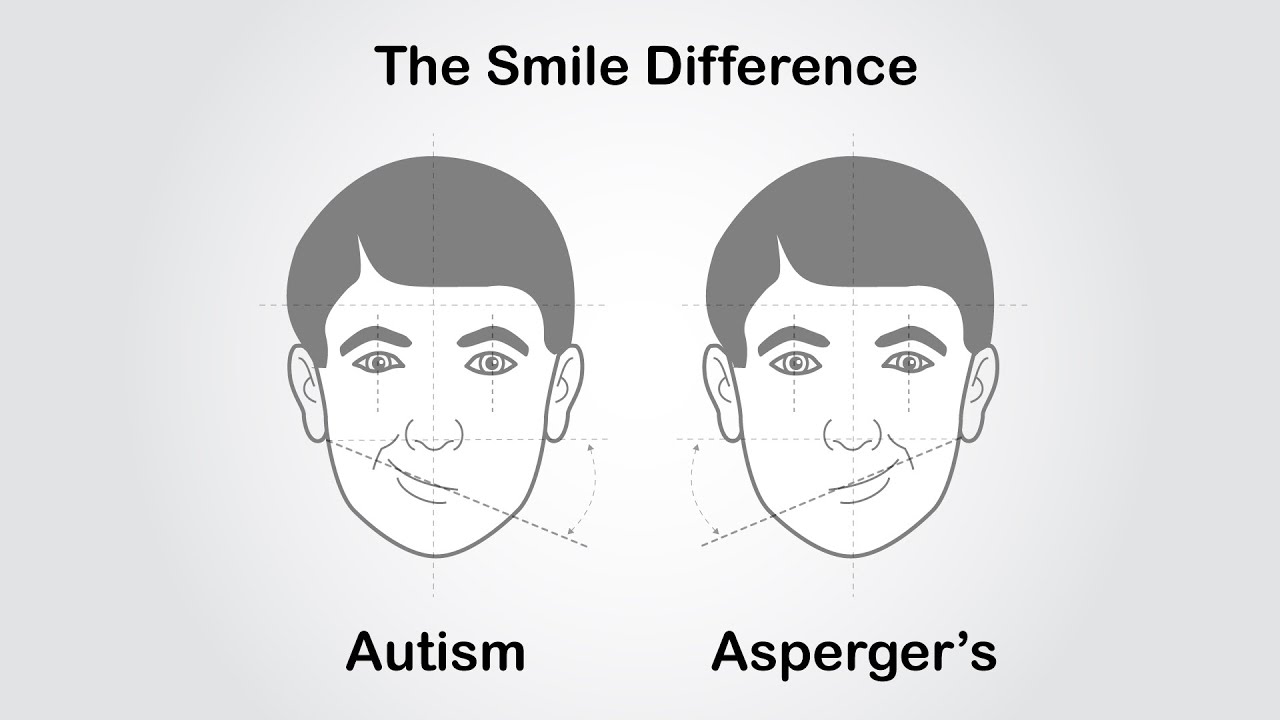
Understanding these differences is not about judging your baby’s happiness but about recognizing early indicators of autism. Knowing what to look for can help you better understand your child’s unique way of communicating and seek support if needed. The following sections will explore these patterns in more detail.
Differences in How Babies with Autism Smile
The smiles of babies with autism are different from those of neurotypical babies in several key ways. These differences are often subtle but can provide clues for an early diagnosis. The primary distinction lies not in the ability to smile, but in the context and quality of the smile.
They might smile in response to sensory experiences rather than social cues, or their smiles may not be accompanied by eye contact. This can make it challenging for parents to feel that shared connection that a social smile typically brings. Recognizing these smiling patterns is about understanding a different communication style.
Here are some key differences in the autism smile:
- Delayed Timing: Social smiles may appear months later than in typical development.
- Lower Frequency: They may smile less often in social situations.
- Shorter Duration: Smiles may be fleeting and brief.
- Lack of Social Context: They might smile at objects or during repetitive behaviors rather than at people.
Social Smiling vs. Non-Social Smiling in Autism
One of the most telling differences in smiling patterns is the balance between social smiling and non-social smiling. Social smiling is a direct response to another person, a cornerstone of social communication skills. In babies with autism, this type of smile may be less frequent.
Instead, you might notice more non-social smiling. This is when a baby smiles without any apparent social trigger. They might be looking at a spinning fan, feeling a certain texture, or be engaged in a repetitive motion. This type of smile reflects an internal state of pleasure or contentment rather than a social connection.
So, is it true that some babies with autism smile normally? Some may, as autism is a spectrum disorder with a wide range of presentations. A baby might have social smiles but still show other signs. However, a reduced frequency of social smiles and a higher frequency of non-social smiles is a common pattern.
When Do Smiling Differences Usually Appear?
Differences in smiling can become apparent at the time point when social smiles are expected to emerge in typically developing infants. This is usually around two to three months of age. If a baby isn’t showing responsive smiles by four months, it can be a red flag for parents and pediatricians.
However, the difference might become more obvious around six to twelve months of age, when social interactions become more complex. At this stage, a typically developing baby smiles, laughs, and babbles to engage caregivers, while a baby with autism may not initiate or respond to this social play in the same way.
Early identification is key. Many research studies, including the present study of your own child’s development, show that these early months are a critical window. Observing these differences is not about causing worry but about gathering information that can lead to early support and better outcomes.
Research Findings on Smiling and ASD
Research into the early development of children on the autism spectrum offers valuable insights for parents and professionals. Studies published in outlets like the Journal of Abnormal Child Psychology have examined infant behaviors, including smiling, to identify early markers of ASD.
These findings help confirm what many parents observe firsthand: that smiling patterns can indeed be different in babies who are later diagnosed with autism. The next sections will review what this research tells us about smiling frequency and other important observations.
What Studies Reveal About Smiling Frequency in Autism
Research consistently shows that smiling frequency differs in babies with autism. Studies using tools like the Autism Observation Scale for Infants with a large sample size of participants have found that infants on the spectrum tend to smile less, especially in social contexts.
This reduced frequency is one of the most reliable early indicators of autism. While a typically developing infant’s smile rate increases as they engage more with caregivers, the smile rate in an infant with autism may remain low or not increase at the same pace. This isn’t because they are unhappy, but because their “social motivation” system works differently.
Do babies with autism smile as much as other babies? The research says generally no, at least when it comes to social smiles. Key study findings include:
- Lower rates of smiling directed at caregivers.
- A decline in smiling frequency between 6 and 12 months.
- Fewer instances of shared smiles during play.
- This pattern is a notable marker for this spectrum disorder.
Insights from Maryland and U.S.-based Autism Studies
Autism research across the United States, including efforts that benefit families in Maryland, has provided powerful insights into early development. One innovative method involves analyzing home videos from a baby’s first year. Researchers review this footage to identify subtle behavioral markers that were present long before a formal autism diagnosis.
These studies often have a small sample size but offer profound findings. They show that differences in social communication, including smiling and eye contact, can be detected at a very early time point. The study findings from this research confirm that the concerns parents have are often based on real, observable differences.
This research empowers parents and pediatricians to act on early concerns. By knowing what to look for, families in Maryland and beyond can push for earlier screening and intervention, which is proven to improve long-term outcomes for children with an autism diagnosis.
Limitations and Evolving Understandings in Research
While research provides valuable insights, it’s important to acknowledge its limitations. Many studies focus on infants at high risk for autism, which may not represent the entire population. The evolving understandings of this complex spectrum disorder mean that what we know today may be refined tomorrow.
Furthermore, every child is an individual. Research findings describe group averages, but your child’s experience may be different. The present study of your baby’s unique development is just as important as any large-scale research paper. No single behavior, including smiling, can definitively predict an autism diagnosis.
The goal of this research is not to create anxiety but to provide tools for awareness and early support. As our understanding of the autism spectrum continues to evolve, so will our methods for identifying and supporting children and their families from the earliest possible stage.
How to Recognize Early Autism Signs Beyond Smiling
While smiling patterns are an important clue, they are just one piece of the puzzle. To get a fuller picture, it’s helpful to look for other early signs of autism. A broader view of a baby’s communication development and response to social cues is essential for early diagnosis.
Observing how your baby uses or avoids eye contact, their facial expressions, and other communication methods can provide a more complete understanding. The following sections will guide you on what else to look for.
Reduced Eye Contact and Facial Expressions
Reduced eye contact is one of the most well-known early indicators of autism. While most infants are fascinated by faces, a baby with autism may seem to look past you or avoid making sustained eye contact. This can make it feel like it’s hard to connect with them.
Their range of facial expressions might also be more limited. They may not mirror your smiles or expressions of concern, making it difficult to read their emotional state from social cues. This isn’t a choice; it’s a reflection of how their brain processes social information.
A lack of smiling, when combined with these other signs, becomes a more significant indicator. Look for these patterns:
- Avoiding or having very brief eye contact.
- Not following your gaze to look at what you’re looking at.
- A “flat” effect or limited range of facial expressions.
- Failure to respond to your smiles and other expressions.
Other Communication and Social Cues
Beyond facial expressions, there are other important social cues to watch for in young children. Observing your baby’s overall communication development can reveal a lot. This includes both their vocalizations and their use of gestures.
Look at their early language development. Are they cooing and babbling? A significant delay or absence of these sounds can be a sign. Also, pay attention to their motor skills related to communication, like pointing at objects to show you something or waving “bye-bye.” These are all ways babies engage you in their world.
Here are other social and communication cues to consider:
- Not responding to their name by 9-12 months.
- Not using gestures like pointing, showing, or waving for 12 months.
- A preference for playing alone rather than with others.
- Not bringing you objects to show you something interesting.
When and Why Parents Should Seek Evaluation
If you’ve noticed a cluster of these signs in your baby, it’s wise to trust your instincts and seek an evaluation. You are the expert on your child, and your concerns are valid. The goal of an evaluation is not to label your child but to understand their needs and access early intervention if necessary.
A trained examiner can perform a developmental screening to assess your child’s risk of autism. This process will look at their communication, social skills, and behavior in a structured way. Only a specialist can provide an official diagnosis of autism. To tell if your baby’s way of smiling is a sign, a professional will look at it in the context of their overall development.
Getting a diagnosis can feel overwhelming, but it is the gateway to support. Services like ABA therapy can make a profound difference in a child’s development. If you are in a service area like Maryland, resources such as Total Care ABA can provide guidance and personalized care to support your family’s journey.
Factors That Influence Smiling in Babies with Autism
The signs of autism, including different smiling patterns, are influenced by several underlying factors. It’s not just about social engagement; a baby’s sensory experiences and communication abilities also play a significant role in how and when they smile.
Understanding these influences can give you a more compassionate perspective on your baby’s behavior. Whether there’s a family history of autism or not, recognizing these factors is key to providing the right kind of support.
The Impact of Sensory Sensitivities
Many individuals on the autism spectrum experience the world through a different sensory lens. Sounds might be louder, lights brighter, or touch might feel overwhelming. These sensory sensitivities can have a direct impact on a baby’s ability to express positive emotions through smiling.
A social situation that a neurotypical baby finds delightful might be overstimulating for a baby with a high risk of autism. The noise, faces, and activity could cause discomfort, making it less likely for them to smile. Their lack of a smile might not be a lack of joy, but a reaction to sensory overload.
Recognizing these individual differences is crucial. Your baby might smile more in a quiet, calm environment where their sensory system isn’t on high alert. Understanding their unique sensory needs helps you create a space where they feel secure enough to express their happiness.
Connection Between Communication Development and Smiling
Smiling is a form of pre-verbal communication. It’s one of the first ways a baby engages in a social back-and-forth. Therefore, challenges in communication development are naturally linked to differences in smiling. If a baby has difficulty processing social cues, they may not know when or how to respond with a smile.
This connection extends to language development as well. As children learn to talk, their smiles become integrated with their words to add emotional context. For a child whose language is developing differently, their use of smiles as a social tool may also follow a unique path.
Building social connections depends on this entire web of communication skills. When one area is challenging, it affects the others. Supporting a child’s overall communication development, through speech therapy, for example, can also help them build the skills needed for social smiling.
The Influence of Parenting Style and Environment
A warm, responsive, and engaging parenting style creates a positive environment for any child to thrive. For a baby showing early signs of autism, this is especially true. Providing plenty of opportunities for positive social interaction can encourage more social engagement, including smiling.
However, can parenting style impact how much a baby with autism smiles? While a supportive environment helps, it’s important to understand that parenting does not cause or cure autism. A baby’s neurological wiring is the primary driver of their smiling patterns. You can create the best possible conditions for smiling, but you can’t change the underlying reason for their differences.
Your role is to provide love, support, and opportunities for connection in a way that feels safe and comfortable for your child. It’s about adapting your interaction style to meet their needs, not trying to force a particular response. This approach fosters a stronger bond, regardless of family history.
Conclusion
Understanding how babies with autism express smiles is essential for parents and caregivers. While neurotypical infants may exhibit social smiles as a way to engage with their environment and strengthen bonds, babies with autism can display different smiling patterns that may not align with typical developmental milestones. Recognizing these differences is crucial for early identification and intervention. By being aware of the unique ways in which babies with autism communicate, you can better support their developmental journey.
At Admire ABA, we understand that every child’s developmental journey is unique. Early recognition of autism signs, such as differences in smiling patterns can make a powerful impact on long-term growth. Our team specializes in evidence-based ABA therapy in Maryland that is designed to support infants, toddlers, and families with compassionate,
Let us guide you toward clarity, confidence, and effective support. Contact us today!
Frequently Asked Questions
Do babies with autism smile differently than neurotypical babies?
Yes. Babies with autism may smile less frequently or in ways that are not always socially directed. These differences don’t mean they lack joy, but they may signal unique developmental patterns that benefit from early evaluation.
What are the earliest signs of autism in infants?
Common early signs include limited eye contact, delayed social smiles, reduced response to name, and differences in babbling or gestures. Recognizing these signs early helps families seek timely support and intervention.
Why is early intervention important for babies with autism?
Early intervention, including ABA therapy, can significantly improve communication, social engagement, and developmental outcomes. Starting support during infancy or toddlerhood helps build strong foundations for future growth.
SOURCES:
- https://pmc.ncbi.nlm.nih.gov/articles/PMC8518734
- https://my.clevelandclinic.org/health/articles/autism
- https://www.mayoclinic.org/diseases-conditions/autism-spectrum-disorder/symptoms-causes/syc-20352928
- https://neurosciences.ucsd.edu/centers-programs/autism/early/signs.html
- https://www.autismparentingmagazine.com/