Stimming, short for self-stimulatory behavior, refers to repetitive movements or sounds that many individuals with autism use to regulate their emotions, sensory input, or energy levels. Common examples include hand flapping, rocking, spinning objects, tapping, humming, or repeating words. These behaviors are not random, they often help an autistic person feel calm, focused, or grounded when they are excited, anxious, overwhelmed, or trying to concentrate.
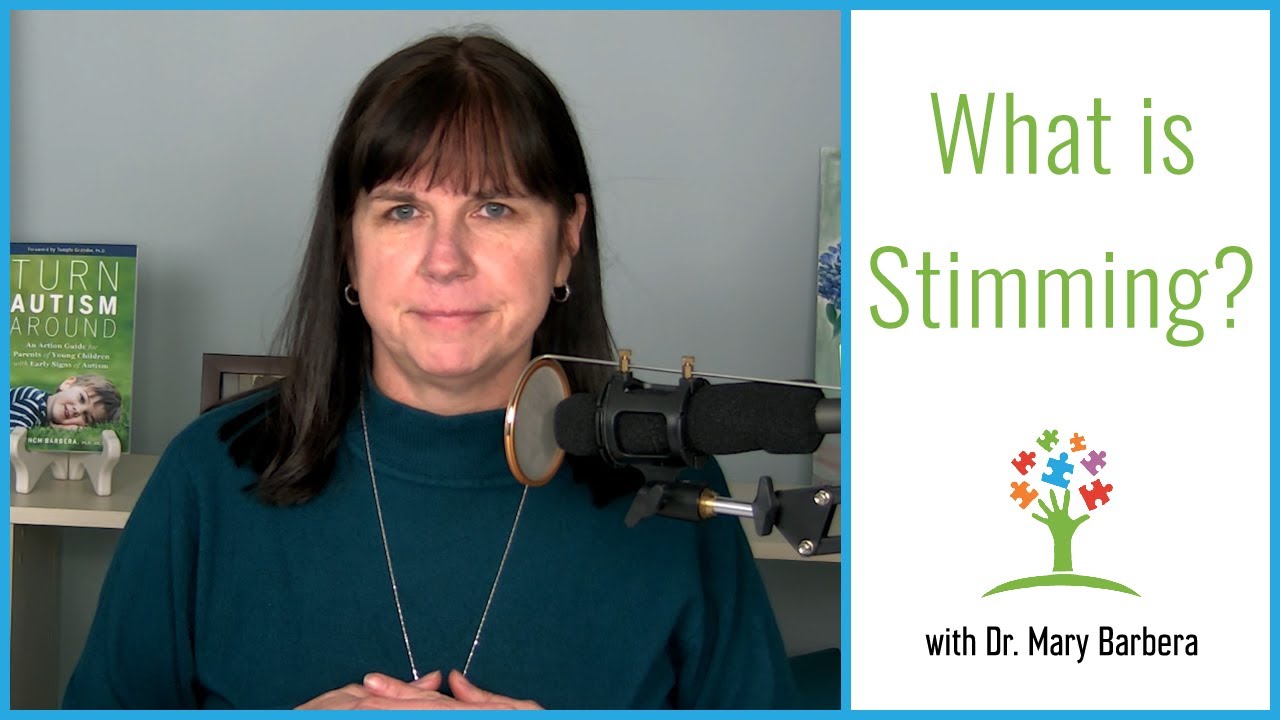
Stimming can serve several important purposes. It may help manage sensory overload, express emotions that are hard to put into words, or provide comfort in unfamiliar situations. While some stims are subtle, others may be more noticeable, especially in public or classroom settings. The key is understanding that stimming is usually a coping strategy, not a behavior that needs to be automatically stopped.
Intervention is only needed if a stim is unsafe, disruptive to learning, or prevents communication. In those cases, therapy focuses on teaching safer or more functional alternatives rather than eliminating the need to self-regulate.
Understanding and supporting your child's stimming
Stimming is a natural way many children regulate and express themselves. Our team supports your child with respect for who they are.
See how we can help
At Admire ABA, we help children and families understand stimming and develop healthy coping and communication skills through personalized, evidence-based ABA therapy in Maryland.
Discover how we can support your child’s emotional regulation and overall development. Contact us today!
SOURCES:
https://www.medicalnewstoday.com/articles/sensory-overload
https://en.wikipedia.org/wiki/Sensory_overload
https://www.healthline.com/health/sensory-overload
https://www.webmd.com/brain/autism/what-you-need-to-know-about-stimming-and-autism
https://www.autism.org.uk/advice-and-guidance/topics/about-autism/repeated-movements-and-behaviour-stimming