

Introduction
Raising a child with autism is rarely a solo undertaking, and it shouldn’t be. Between navigating diagnoses, therapy schedules, school meetings, and the everyday logistics of family life, parents often find that the right network of people and programs makes as much difference as any single service. Maryland is home to a wide range of statewide organizations, support groups, and financial programs built specifically to help families find their footing and keep it.
This guide walks through the resources most families ask us about: where to find community, where to find funding, and where to find a break when you need one.
Why a Support Network Matters for Autism Families
Raising a child with autism touches every part of family life, from a parent’s career to a sibling’s routine. In our work with families across the state, we’ve consistently seen that the households who fare best over time aren’t necessarily the ones with access to the most therapy hours. They’re the ones who’ve built a network: a support group that understands the specific exhaustion of an IEP dispute, a respite provider they trust, a case manager who returns their calls.
A strong support network reduces caregiver burnout, speeds up access to services, and gives families a place to ask questions that a therapy session alone can’t always answer. It also matters for long-term planning. Autism is a lifelong developmental condition, and the systems that serve a five-year-old look very different from the ones that serve a twenty-five-year-old. Building relationships with the right organizations early gives families a head start on that transition.
Statewide Organizations to Know
Maryland has several long-standing organizations that serve as the backbone of the state’s autism community. These are good first calls for almost any family, regardless of where they are in the process.
General Information and Navigation
Pathfinders for Autism is Maryland’s largest autism-specific organization and often the best starting point for a family that isn’t sure where to look. Their Resource Center and Help Line connect families directly with staff who can point them toward diagnostic providers, therapy options, financial assistance, and more. Because the organization is Maryland-based and works exclusively on autism, their guidance tends to be more specific and current than what a general disability hotline can offer.
The Autism Society of America, headquartered in Bethesda, is one of the oldest and most established autism organizations in the country, with decades of advocacy work behind it. Locally, the Autism Society of Baltimore-Chesapeake and the Autism Society of Maryland run chapter-based programs, including support groups and community events, for families in their respective regions.
Education and Advocacy
Families navigating an IEP or a dispute with a school district have a few dedicated advocates worth knowing. The Maryland Coalition for Inclusive Education and Parents’ Place of Maryland both offer workshops and direct support on special education law and the IEP process. Disability Rights Maryland provides legal advocacy for families facing more serious disputes over services or rights. In our sessions with families, we’ve found that bringing a working knowledge of these organizations into a school meeting, even before a dispute arises, changes the tone of the conversation.
Clinical and Research-Based Resources
Kennedy Krieger Institute is one of the most respected autism clinical and research centers in the country, offering evaluations, early intervention programs, and a free video library of family trainings. Families looking for a second opinion on a diagnosis, or wanting research-backed guidance on a specific behavioral challenge, often find their public resources valuable even without formal enrollment in a clinical program.
Support Groups and Community Connection
Peer support is one of the most consistently underused resources available to autism families, often because parents don’t know where to look until someone tells them. Local chapters of the Autism Society, along with Pathfinders for Autism, maintain lists of active parent support groups across the state, many of which meet monthly and welcome new families at any point.
We’ve seen families join a support group specifically to solve one problem, like finding a dentist comfortable working with sensory sensitivities, and end up staying for years because of the friendships that formed. That kind of connection is hard to replicate through a therapy relationship alone, and it’s worth actively seeking out rather than waiting to stumble into it.
Respite Care: Finding Relief Without Guilt
Respite care is short-term relief care that allows a parent or caregiver to step away, whether for an afternoon or a longer stretch, while their child remains safely supported. It’s one of the most requested but least discussed resources among the families we work with, often because parents feel they need to be in crisis to justify asking for it.
That’s not the case. Planned, regular respite, even just a few hours a week, can prevent burnout well before it becomes a crisis, and it protects the well-being of the entire household, not just the primary caregiver.
Maryland offers a few paths to respite care:
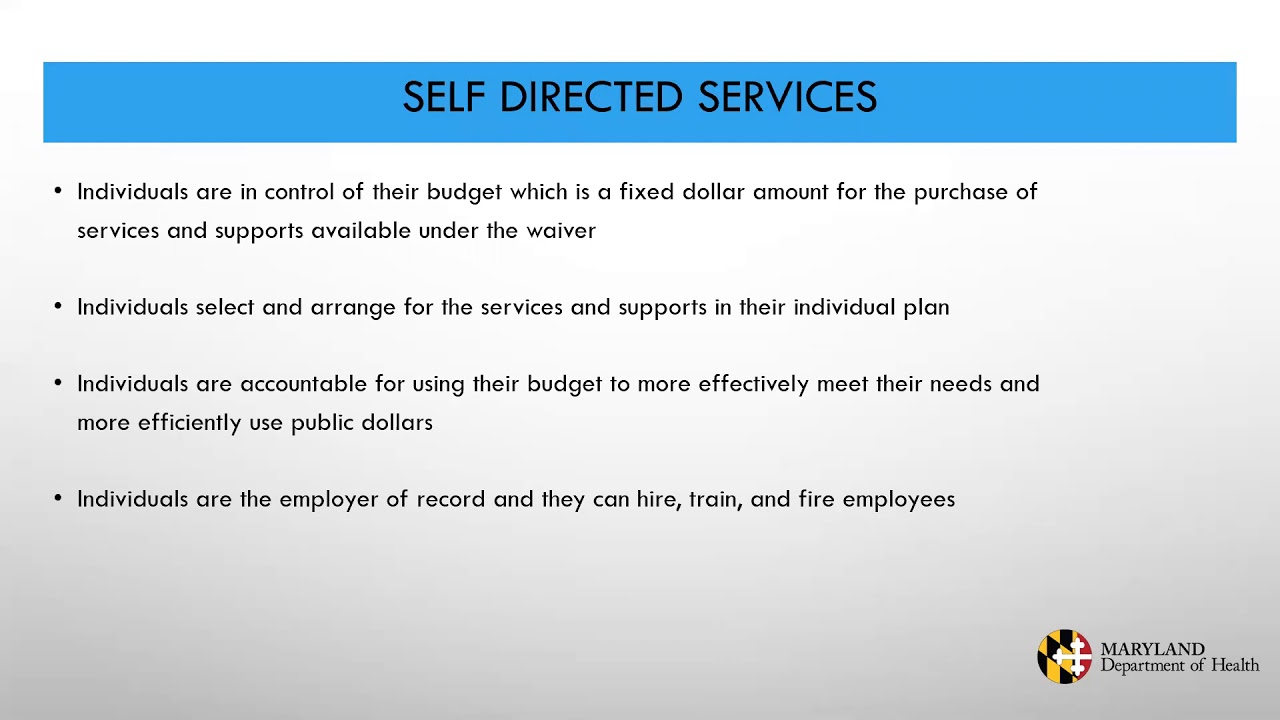
- The Autism Waiver, administered through Medical Assistance, includes respite care as one of its covered services for eligible children, alongside family training and intensive individual support. Families register and are placed on a waitlist based on registration date, so early application matters even if services aren’t needed immediately.
- The Lifespan Respite Care Program, administered through the Maryland Department of Aging, expands access to respite for caregivers who may not qualify for a Medicaid waiver.
- EPSDT coverage under Medicaid may provide some respite-related support for children under 21, even without a waiver slot, since EPSDT requires coverage of any medically necessary service.
For families just starting to look into respite, Pathfinders for Autism’s Help Line is a reasonable first call, since staff there can help identify which of these programs a family may already qualify for.
Financial Assistance and Planning Resources
The cost of evaluations, therapy, and related services adds up quickly, and Maryland families have a few dedicated financial resources worth knowing about beyond standard insurance coverage.
The Arc Baltimore Family Fund offers Maryland-specific grants for families of children with developmental disabilities, with applications typically accepted twice a year. National organizations, including the Autism Care Today grant program and the National Autism Association’s Helping Hand Program, also accept applications from Maryland families and prioritize households under certain income thresholds. Maryland ABLE accounts allow families to save for disability-related expenses tax-free, with an annual state income tax deduction.
For longer-term planning, the Developmental Disabilities Administration (DDA) coordinates case management, community-based services, and eventually adult services, making it a useful contact well before a child ages out of the school system.
How Support Networks and Therapy Work Together
None of these resources replace the value of consistent, individualized ABA therapy, and none are meant to. What we’ve found in our work with families is that the two reinforce each other. A parent who has a support group, a respite plan, and a clear understanding of the Autism Waiver process tends to arrive at parent training sessions less depleted and more able to carry strategies through to daily life at home. Therapy teaches skills; a support network sustains the family doing the work of reinforcing them.
This is part of why parent training is built into our own approach, alongside in-home ABA therapy, early intervention services, and diagnostic support: the goal isn’t just progress in a session, but a family that has what it needs to keep that progress going every day.
Conclusion
Maryland families have access to a genuinely strong network of statewide organizations, support groups, financial programs, and respite options, but the system can be difficult to navigate without knowing where to start. Organizations like Pathfinders for Autism and the Autism Society chapters exist specifically to help with that navigation, and reaching out early, before a crisis point, tends to make the biggest difference. Building this kind of support network alongside consistent therapy gives families a foundation that holds up over the long term, not just through the next milestone.
Ready to Build Your Family’s Support Network?
Admire ABA proudly serves families in Maryland, including Towson in Baltimore County, Potomac in Montgomery County, and Annapolis in Anne Arundel County, with in-home ABA therapy, parent training, early intervention services, and diagnostic support.
If you’re looking for a therapy partner who understands that supporting your child means supporting your whole family, contact us today to schedule a consultation.
Frequently Asked Questions
What is the Maryland Autism Waiver, and how do families apply?
The Autism Waiver is a Medicaid-funded program that provides community-based services, including respite care, family training, and intensive individual support, to eligible children with autism as an alternative to institutional care. Families register through the Developmental Disabilities Administration and are placed on a waitlist based on their registration date, so applying as early as possible is recommended even before services are urgently needed.
Where can Maryland families find free help finding autism resources?
Pathfinders for Autism operates a free Help Line and Resource Center specifically for Maryland families, offering guidance on diagnosis, therapy options, financial assistance, and more. Local Autism Society chapters and the Developmental Disabilities Administration also provide navigation support at no cost.
Are there financial grants available for autism therapy in Maryland?
Yes. The Arc Baltimore Family Fund offers Maryland-specific grants, typically with applications accepted twice yearly, and national programs like Autism Care Today and the National Autism Association’s Helping Hand Program also accept applications from Maryland families. Maryland ABLE accounts additionally allow tax-free savings for disability-related expenses.
SOURCES:
- https://pathfindersforautism.org/
- https://elevates.marylandpublicschools.org/autism-waiver/
- https://www.kennedykrieger.org/
- https://disabilityrightsmd.org/
- https://thearcbaltimore.org/
- https://autismsociety.org/
- https://aging.maryland.gov/
- https://www.marylandable.org/