

Key Highlights
Here are the key takeaways about the benefits of ABA therapy for children with both ADHD and autism spectrum disorder:
- Applied Behavior Analysis (ABA) therapy is an evidence-based treatment that helps manage ADHD symptoms through structured behavioral interventions.
- The core of this therapy involves behavior modification, using techniques like positive reinforcement to encourage desired behaviors.
- ABA therapy effectively addresses core ADHD symptoms, including inattention, hyperactivity, and impulsivity.
- For children with a dual diagnosis of ASD and ADHD, ABA helps improve social skills, communication, and daily living abilities.
- Research shows that combining ABA therapy with medication often leads to the best outcomes for symptom management.
- Parent training is a crucial component, ensuring strategies are applied consistently at home and school.
Introduction
Navigating the challenges of Attention Deficit Hyperactivity Disorder (ADHD) can be complex, and it becomes even more so when your child also has Autism Spectrum Disorder (ASD). You want the best support to help them thrive. Applied Behavior Analysis (ABA) therapy, a structured and evidence-based approach, is increasingly recognized for its effectiveness in managing the symptoms of both conditions. This guide will explore how ABA therapy can provide the tools your child needs for better behavioral management and improved daily functioning.
Understanding ADHD in Children with ASD
When a child is on the autism spectrum and also has ADHD, they face a unique set of challenges. The combined conditions can amplify difficulties with focus, impulsivity, and social interaction, leading to disruptive behaviors that impact learning and daily life. Understanding these overlapping needs is the first step toward finding effective support.
Addressing these behavioral challenges requires a specialized approach tailored to your child’s specific needs. ABA therapy provides a framework for understanding why these behaviors occur and implementing strategies to teach more appropriate actions. The following sections will explain how this therapy helps manage symptoms and build essential skills.
Common Behavioral Challenges in Dual Diagnosis
Children with both ASD and ADHD often exhibit a range of problem behaviors that can be challenging for families and educators. These can include significant hyperactivity, difficulty waiting their turn, and emotional outbursts. Such disruptive behaviors are not just a matter of discipline but are linked to their underlying neurodevelopmental conditions.
These challenges frequently affect social interactions. A child might struggle to read social cues, which is common in autism, while their impulsivity from ADHD might cause them to interrupt others or act without thinking. This combination can make forming friendships and participating in group activities particularly difficult.
Understanding these behaviors through behavioral analysis is key to addressing them effectively. Rather than just focusing on the actions themselves, ABA therapy seeks to identify the function behind them. This approach helps create a plan that addresses the root cause, supporting the child’s overall mental health and well-being.
How ADHD Symptoms Manifest Differently in ASD
The core symptoms of ADHD inattention, hyperactivity, and impulsivity can present differently in a child who also has autism. For example, hyperactivity might appear as intense, repetitive movements (stimming) rather than constant running around. Inattention might be mistaken for the focused, narrow interests often associated with ASD.
These overlapping neurodevelopmental conditions can make it tricky to distinguish which condition is driving certain problematic behaviors. A detailed behavior analysis is crucial for creating an effective treatment plan. A therapist needs to understand whether a child’s difficulty in a social setting is due to ADHD-related impulsivity or ASD-related social communication challenges.
By carefully observing and analyzing behavior, an ABA therapist can tailor interventions to address the specific manifestation of ADHD symptoms in the context of autism. This ensures that the strategies used are relevant and effective, helping your child build skills that target their unique challenges.
Impact of Combined ADHD and ASD on Learning and Daily Life
The combination of ADHD and ASD can have a significant impact on a child’s daily life and learning. In a school setting, disruptive behaviors like impulsivity and difficulty focusing can make it hard for them to follow instructions and complete assignments. This can affect their academic progress and relationships with teachers and peers.
At home, daily routines such as getting ready for school, mealtimes, and bedtime can become sources of stress. The need for predictability common in ASD can clash with the disorganization and inattention associated with ADHD, creating a challenging environment for the whole family.
A comprehensive treatment plan that addresses both conditions is essential for improving a child’s overall quality of life. By targeting specific behaviors and teaching functional skills, ABA therapy can help reduce these daily struggles. This support allows your child to participate more fully in school, at home, and in the community.
Introduction to ABA Therapy
So, what exactly is Applied Behavior Analysis (ABA) therapy? It’s a scientifically grounded approach that focuses on understanding and improving behavior. Based on the principles of learning, ABA aims to increase positive actions, like communication and social skills, while reducing behaviors that may be harmful or interfere with learning.
This therapy is highly personalized. Certified behavior analysts design and oversee treatment plans tailored to each child’s unique needs and goals. The process begins with a thorough assessment to understand your child’s strengths and challenges, which guides the entire therapeutic journey. Let’s look closer at the principles and methods that make ABA effective.
Core Principles of Applied Behavior Analysis (ABA)
At the heart of Applied Behavior Analysis are a few key principles that drive its success. The most well-known is positive reinforcement. This involves rewarding a desired behavior to make it more likely to happen again. The reward can be anything from praise to a favorite activity, motivating the child to engage in more constructive actions.
Another core principle is behavior modification. This is not about punishment but about identifying problem behaviors and teaching appropriate replacement skills. Behavior analysts work to understand why a behavior is occurring and then guide the child toward a more effective way of getting their needs met.
Finally, task analysis is a fundamental technique used to teach complex skills. Therapists break down activities, like getting dressed or completing a multi-step instruction, into smaller, more manageable steps. Each step is taught and reinforced, building a foundation for independence and success.
How ABA Therapy Works for Neurodevelopmental Conditions
ABA therapy is an adaptable and effective treatment for a range of neurodevelopmental conditions because it focuses on observable behavior and functional skills. The goal of this behavior therapy is to make meaningful improvements in a person’s life by teaching them skills that promote independence and social integration.
For conditions like ADHD and autism, behavior analysts conduct detailed assessments to understand each child’s unique profile. This includes identifying triggers for challenging behaviors and determining what motivates the child. This information is used to create a highly individualized plan that targets specific goals.
The therapy works by providing structured opportunities to learn and practice new skills in a supportive environment. Through consistent reinforcement and data-driven adjustments, ABA therapy helps children build a larger repertoire of positive behaviors, reduce actions that interfere with their development, and ultimately thrive.
Applicability of ABA for Both Autism and ADHD
While ABA therapy was originally developed for individuals with Autism Spectrum Disorder, its principles are universally applicable to behavior change. This is why it is increasingly recognized as an effective ADHD treatment. The structured, data-driven nature of ABA is well-suited to address the core challenges of ADHD, such as inattention and impulsivity.
The therapy focuses on teaching and reinforcing appropriate behaviors, regardless of the diagnosis. For a child with ADHD, this might mean learning to wait their turn before speaking or developing a routine to complete homework. For a child with autism, it might involve learning to make eye contact or respond to social cues.
When a child has both conditions, ABA therapy can address the overlapping and distinct challenges simultaneously. The flexibility of ABA allows therapists to create an integrated treatment plan that supports the whole child, promoting skills that are essential for success in all aspects of their life.
How ABA Therapy Addresses ADHD in Children with ASD
Now that we understand the basics, let’s explore how ABA therapy specifically targets the core symptoms of Attention Deficit Hyperactivity Disorder in children who also have ASD. The therapy uses proven behavior modification techniques to address challenges head-on, from difficulty with focus to impulsivity.
By breaking down skills and consistently reinforcing progress, ABA provides a clear path for children to learn self-regulation. The following sections will detail how this approach helps improve attention, reduce hyperactivity, and shape crucial social and communication skills, giving your child the tools they need to succeed.
ABA’s Role in Improving Attention and Focus
Improving attention and focus is a primary goal of ABA therapy for children with ADHD. One effective strategy is creating a structured and predictable environment. When a child knows what to expect, it reduces distractions and helps them stay on task. Clear, simple instructions also make it easier for them to process information and concentrate.
ABA therapy uses techniques like Discrete Trial Training (DTT), where skills are taught in small, incremental steps. Each successful attempt to focus, even for a short period, is immediately reinforced. This positive feedback loop builds the child’s ability to sustain attention over longer durations.
Effective behavior management also plays a role. Therapists might use visual aids, like timers or checklists, to help a child see their progress and understand how much longer they need to focus. These tools make abstract concepts like time more concrete, empowering the child to manage their own attention.
Reducing Impulsivity and Hyperactivity through ABA
Managing impulsivity and hyperactivity is crucial for children with a hyperactivity disorder, and ABA therapy offers effective strategies to promote impulse control. Techniques like differential reinforcement encourage children to think before they act. For instance, a child might be rewarded for waiting their turn in a game, which reinforces patient, positive behaviors.
Self-management training is another powerful component of ABA therapy. This empowers older children to recognize their own impulses and regulate their actions. They might learn to use a self-monitoring checklist or earn points toward a reward for controlling impulsive urges, fostering a sense of autonomy and self-control.
By systematically rewarding calm and controlled behavior while redirecting hyperactivity, ABA helps children develop new patterns of responding. This structured approach doesn’t aim to eliminate energy but to channel it into more appropriate and functional activities, leading to better outcomes in school and social settings.
Shaping Social and Communication Skills
Children with both ASD and ADHD often face significant challenges in developing social and communication skills. This behavior therapy directly targets these areas by breaking down complex social interactions into understandable parts. For example, a therapist might teach the steps of joining a conversation: wait for a pause, make a relevant comment, and listen to the response.
Positive reinforcement is used extensively to shape these skills. When a child successfully practices a social skill, like sharing a toy or making eye contact, they receive immediate praise or a small reward. This makes them more likely to use that skill again in the future.
Through structured activities and role-playing, children can practice their social and communication skills in a safe and supportive setting. Therapists can provide immediate feedback and guidance, helping them learn to navigate social cues, understand others’ perspectives, and build meaningful relationships with their peers.
Evidence and Effectiveness of ABA Therapy for ADHD
You might be wondering if there is solid evidence to support using ABA therapy for ADHD. The answer is a resounding yes. A growing body of research confirms that the principles of behavior analysis provide an effective treatment for the core symptoms of ADHD, especially when combined with other supportive therapies.
Studies have shown that ABA can lead to significant improvements in behavior, attention, and social skills. This evidence-based approach gives families and professionals confidence in its effectiveness. Let’s explore some of the research findings and real-world outcomes that demonstrate the power of ABA.
Research Findings on ABA Therapy for ADHD
Multiple research studies highlight the effectiveness of ABA therapy in managing ADHD symptoms. The National Institute of Mental Health, for example, has found that combining behavioral therapy with medication often produces better outcomes than using medication alone. This integrated approach helps address impulsivity and hyperactivity more comprehensively.
The landmark Multimodal Treatment Study of Children with ADHD also revealed that children who received both medication and behavioral therapy showed greater improvements than those who only received medication. These findings underscore the critical role that structured behavioral interventions play in a successful treatment plan.
This research provides strong support for using ABA as a primary behavioral therapy for ADHD.
| Research Insight | Key Finding |
| Combined Treatment Approach | Children show greater improvement in ADHD symptoms when ABA therapy is combined with medication. |
| Parent Training Efficacy | Parent training in behavior management is recognized as an evidence-based intervention by the CDC. |
| Symptom Reduction | ABA techniques are proven to reduce problem behaviors like impulsivity and hyperactivity. |
Success Stories and Real-Life Outcomes
Beyond clinical studies, the real-life success of ABA therapy is seen in the daily lives of children and their families. Many parents report a significant improvement in their child’s quality of life after starting behavioral interventions. This includes less stress during daily routines, better performance in school, and stronger family relationships.
Children who participate in ABA therapy often show more positive behaviors and a greater ability to manage their emotions. They learn practical skills that help them navigate social situations, make friends, and participate more fully in community activities. These outcomes are the true measure of success.
By focusing on building functional skills, ABA therapy empowers children to become more independent. Success might look like a child being able to complete their homework without constant supervision or joining a sports team and following the rules of the game. These achievements, big and small, demonstrate the lasting impact of this therapy.
Considerations and Limitations Based on Current Evidence
While ABA therapy is highly effective, there are some considerations to keep in mind. One of the biggest practical limitations can be insurance coverage. While coverage for autism is often mandated, it can vary by state and individual plan for a primary diagnosis of ADHD. It’s essential to check with your provider to understand your benefits.
Another consideration is that the success of ABA therapy depends heavily on consistency. For the effective strategies to work, they must be implemented consistently across all environments, including home, school, and therapy sessions. This requires a significant commitment from parents and caregivers.
Finally, research shows that combining ABA with medication can sometimes allow for lower doses of medication, reducing potential side effects. However, it is not a “cure.” It is a long-term management strategy that requires ongoing effort and adaptation as your child grows and their needs change.
Common ABA Strategies Used with Children Diagnosed with ADHD and ASD
ABA therapy uses a toolbox of specific strategies to help children with ADHD and ASD build skills and manage their behavior. These ABA strategies are not one-size-fits-all; they are carefully selected and customized to meet your child’s individual needs and goals.
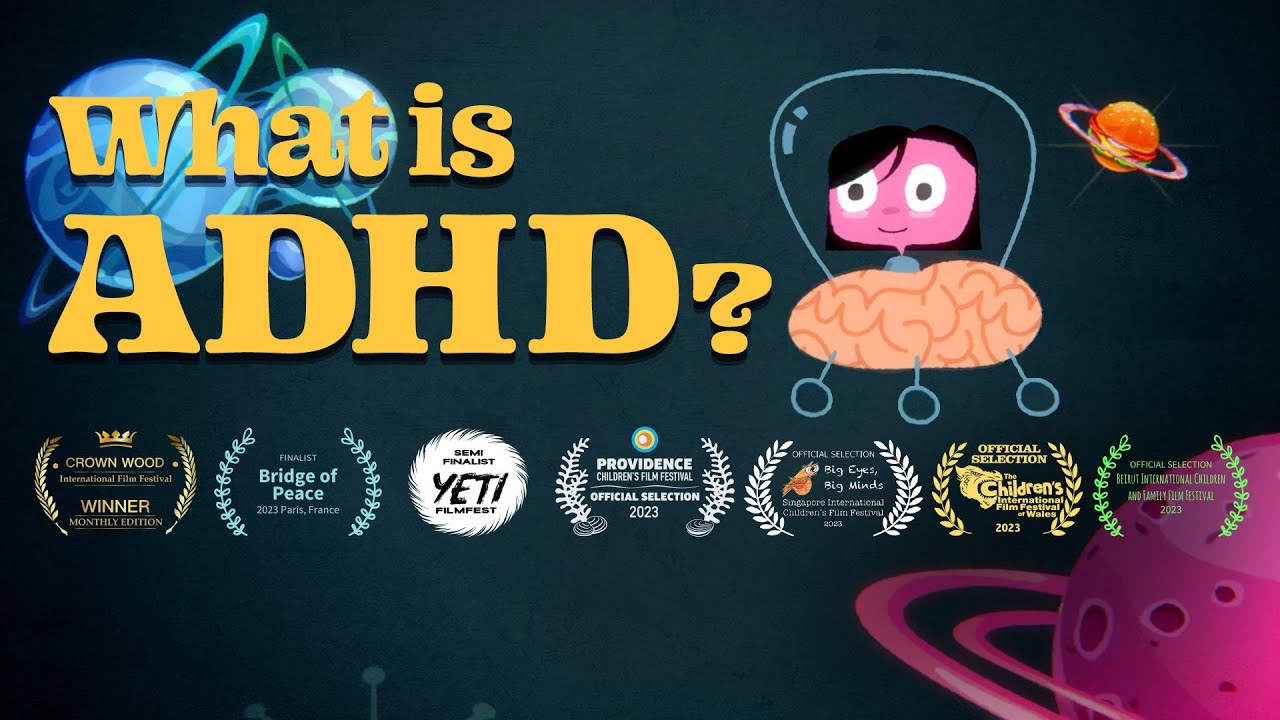
From behavior modification techniques like differential reinforcement to skill-building methods like task analysis, each strategy plays a role in creating a comprehensive treatment plan. The following sections will break down some of the most common and effective techniques used in ABA therapy.
Positive Reinforcement and Behavior Modification Techniques
Positive reinforcement is a cornerstone of Applied Behavior Analysis. This technique involves providing a rewarding consequence immediately after a desired behavior occurs, which makes that behavior more likely to happen again. The reward is tailored to what motivates your child, whether it’s verbal praise, a sticker, or extra playtime.
This approach is part of a broader strategy of behavior modification, which focuses on teaching and increasing positive behaviors while reducing challenging ones. Instead of punishing negative actions, the focus is on building a repertoire of functional replacement skills.
Here are a few ways these techniques are applied:
- Rewarding Focus: A child receives a token for every five minutes they stay on task during homework.
- Praising Social Skills: A therapist gives enthusiastic praise when a child shares a toy with a peer.
- Encouraging Self-Control: A child earns a special privilege for waiting patiently without interrupting.
- Differential Reinforcement: Providing reinforcement for appropriate behaviors while minimizing attention to inappropriate ones.
Structuring Routines and Task Analysis
Children with ADHD and ASD thrive on predictability, so creating a structured routine is a powerful ABA strategy. Having clear expectations for daily activities—from waking up to bedtime—reduces anxiety and helps children anticipate what’s next, making transitions smoother and minimizing resistance.
Task analysis is another key technique used to support these routines. Complex activities are broken down into small, manageable steps. This method makes overwhelming tasks feel achievable and provides multiple opportunities for reinforcement along the way, building confidence and independence.
For example, getting ready for school can be broken down into:
- Visual Schedules: Using a chart with pictures to show each step of the morning routine.
- Step-by-Step Instructions: Teaching a child to complete one step (e.g., brushing teeth) before moving to the next (e.g., getting dressed). By breaking down tasks, children learn to complete multi-step directions and develop essential daily living skills.
Promoting Executive Functioning Skills
Executive functioning skills, such as planning, organization, and time management, are often a major challenge for children with Attention Deficit Hyperactivity Disorder. ABA therapy as an ADHD treatment directly targets these skills through structured behavior management techniques.
Therapists work with children to develop strategies for organizing their belongings, planning out homework assignments, and managing their time effectively. This might involve using tools like checklists, calendars, and visual timers to make abstract concepts more concrete and easier to follow.
By teaching these skills explicitly and reinforcing their use, ABA helps children become more independent and successful in school and at home. Promoting executive functioning is not just about managing behavior; it’s about giving children the cognitive tools they need to navigate a complex world and achieve their goals.
Enhancing Success: Family and School Involvement
The success of an ABA treatment plan doesn’t just happen in the therapy room. It flourishes when there is strong collaboration between ABA therapists, families, and schools. When everyone is on the same page, your child receives consistent support across all areas of their life.
Parent training is a vital piece of this puzzle, empowering you to use effective strategies at home. Likewise, working with educators ensures that the skills your child learns in therapy are carried over into the classroom. Let’s look at how this collaborative approach creates the best possible environment for your child’s growth.
Parent and Caregiver Training in ABA Strategies
Parent training is a critical component of a successful ABA treatment plan. This training equips you with the knowledge and skills to implement effective strategies at home, turning everyday moments into learning opportunities. When you understand the ABA techniques your child’s therapist is using, you can provide consistent reinforcement and support.
This involvement is proven to enhance therapy outcomes. When parents are active participants, children show greater improvements in behavior, social skills, and daily living abilities. You become a key player in your child’s progress, which can be incredibly empowering.
Parent training programs typically teach:
- Behavior Management: How to use positive reinforcement and other ABA techniques to encourage desired behaviors.
- Consistent Responses: Learning how to respond to challenging behaviors in a way that is productive and aligned with the treatment plan.
- Skill Generalization: Strategies to help your child apply the skills they learn in therapy to real-world situations at home and in the community.
Collaboration Between ABA Therapists, Schools, and Families
Effective collaboration between ABA therapists, the school, and the family is the glue that holds a treatment plan together. When all parties work as a team, it creates a seamless web of support for your child. Regular communication ensures that everyone is aware of the child’s goals, progress, and challenges.
This partnership allows for the consistent application of strategies across different settings. For example, if a behavior analyst is working on improving a child’s focus during therapy, the teacher can use similar techniques in the classroom, and the parents can reinforce them during homework time. This consistency is key to helping the child generalize their new skills.
A cohesive approach also allows for quicker problem-solving. If a new behavioral issue arises at school, the teacher can immediately communicate with the ABA therapist and parents to develop a unified plan. This collaborative spirit ensures that your child receives the best possible support from every angle.
Adapting ABA Strategies for the Classroom Environment
ABA strategies can be highly effective when adapted for the classroom environment. The structured approach of ABA aligns well with the need for clear rules and routines in a school setting. Teachers can work with ABA therapists to implement simple yet powerful techniques that benefit not only the child with ADHD but the entire class.
One common adaptation is the use of visual aids. A visual schedule on the board can help all students understand the day’s activities, while a personal checklist can help a child with ADHD stay on track with their assignments. Breaking down instructions into smaller, more manageable chunks is another ABA technique that is invaluable in the classroom.
Furthermore, teachers can use reinforcement systems, such as a token economy or simple praise, to motivate positive behavior and task completion. By integrating these ABA strategies, educators can create a more supportive and effective learning environment for students with ADHD.
Conclusion
ABA therapy provides a structured and effective approach to address ADHD symptoms in children with ASD. By focusing on key behavioral principles, ABA helps improve attention, reduce impulsivity, and enhance social interactions, facilitating better learning experiences. The collaborative efforts between families, schools, and therapists play a crucial role in maximizing the benefits of ABA strategies. As you consider interventions for your child, remember that early and consistent application of these techniques can lead to meaningful progress.
At Admire ABA, we are committed to helping children with ADHD and autism thrive through evidence-based ABA therapy in Maryland. Our team partners with parents, educators, and professionals to create individualized treatment plans that foster attention, reduce impulsivity, and build social skills.
Discover how our compassionate approach can support your child’s unique journey toward growth and independence. Contact us today!
Frequently Asked Questions
Can ABA therapy be an effective treatment for ADHD in children with autism?
Yes, ABA therapy is an effective treatment for children with a dual diagnosis of Autism Spectrum Disorder and ADHD. It uses data-driven behavior modification techniques to directly target ADHD symptoms like inattention and hyperactivity while also supporting the social and communication challenges associated with autism.
What does the process of starting ABA therapy for a child with ADHD and ASD look like?
The process begins with a comprehensive assessment by a board-certified behavior analyst (BCBA) to understand your child’s unique needs. Based on this, they create a personalized treatment plan with specific goals. The ADHD treatment plan often includes direct therapy, as well as parent training to ensure consistency at home.
How does ABA therapy for ADHD compare to other behavioral interventions?
Compared to other behavioral interventions, ABA therapy is highly structured and data-intensive. While many forms of behavior therapy share similar goals, ABA uses very specific, evidence-based effective strategies to systematically target and measure changes in ADHD symptoms, ensuring the approach is constantly refined for the best results.
SOURCES:
https://www.cdc.gov/adhd/signs-symptoms/index.html
https://www.mayoclinic.org/diseases-conditions/adult-adhd/symptoms-causes/syc-20350878
https://www.nimh.nih.gov/health/publications/attention-deficit-hyperactivity-disorder-what-you-need-to-know
https://www.psychiatry.org/patients-families/adhd/what-is-adhd
https://my.clevelandclinic.org/health/diseases/4784-attention-deficithyperactivity-disorder-adhd