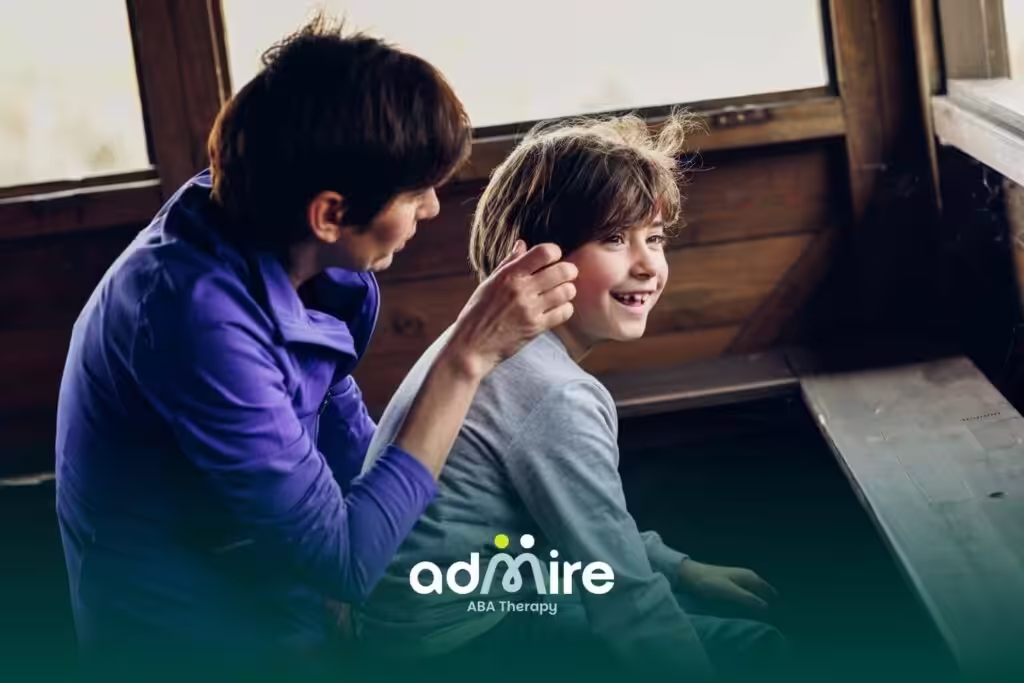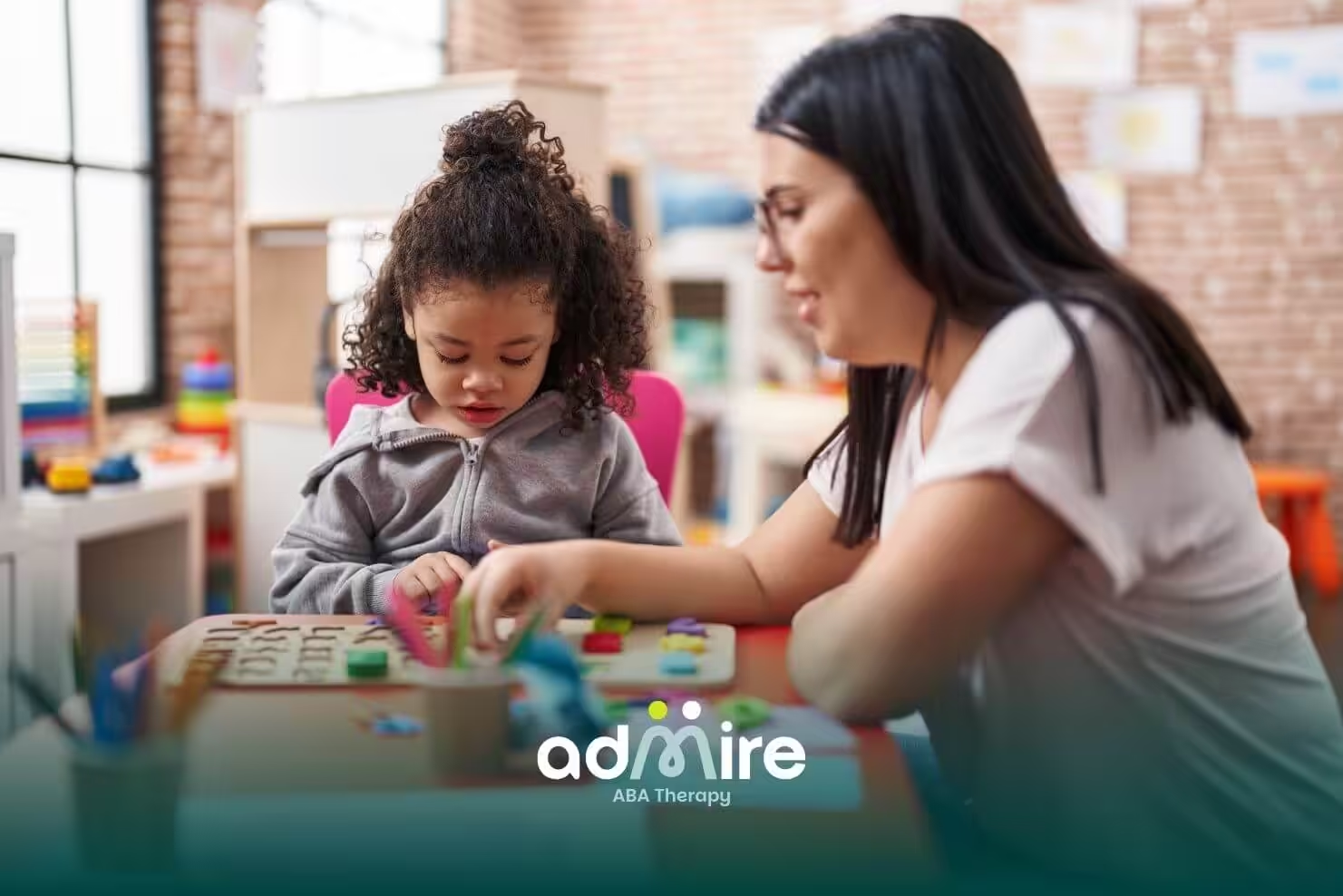
ABA therapy and school serve different, but complementary, purposes. In most cases, ABA therapy does not replace school. Instead, it supports the skills children need to succeed in school settings.
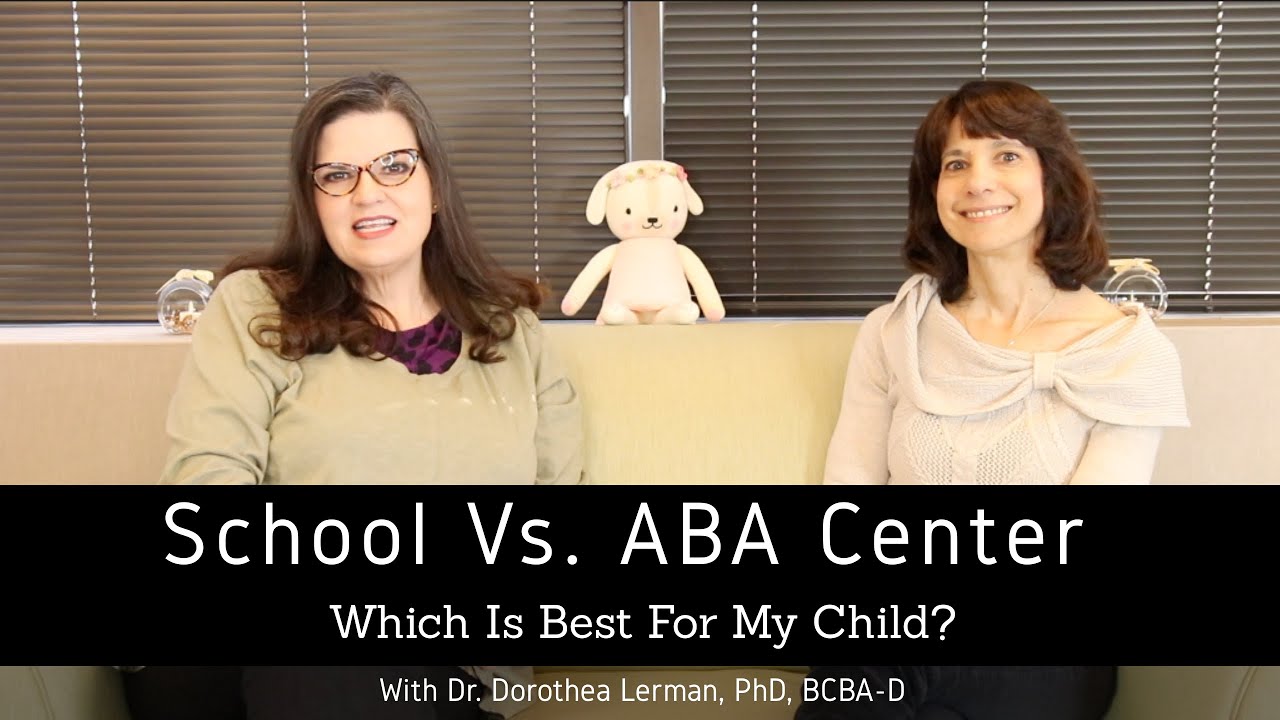
School focuses on academic instruction, while Applied Behavior Analysis (ABA) targets communication, social skills, behavior regulation, and daily living skills. According to the CDC, behavioral interventions like ABA help children build functional skills that improve participation in learning environments.
In our work with families across Maryland, we’ve seen ABA help children:
- Follow classroom routines
- Improve peer interactions
- Reduce disruptive behaviors
- Increase independence
For some young children in early intervention programs, ABA may temporarily serve as a primary setting before transitioning into school. However, long-term educational instruction is typically delivered through school systems under IDEA guidelines.
The goal of ABA is to prepare children to thrive, not replace educational opportunities.
At Admire ABA, we collaborate with schools to ensure your child receives well-rounded support with ABA therapy in Maryland.
Learn how we can help your child build the skills needed for classroom success. Contact us today!
SOURCES:
https://www.cdc.gov/autism/treatment
https://my.clevelandclinic.org/health/treatments/25197-applied-behavior-analysis
https://online.regiscollege.edu/blog/aba-therapy-examples
https://www.webmd.com/mental-health/what-is-applied-behavior-analysis
Please explain what ABA therapy is
byu/Electronic_Injury951 inABA