

Introduction
If you’re a parent in Laurel, Maryland, exploring ABA therapy for your child, you’ve probably come across phrases like “structured teaching,” “naturalistic learning,” “discrete trials,” or “play-based ABA.” The terminology can feel overwhelming, especially when you’re already navigating a new diagnosis, school accommodations, and a stack of recommendations from specialists.
Here’s the good news: while ABA therapy uses many techniques, almost all of them fall under two foundational teaching methods, Discrete Trial Training (DTT) and Natural Environment Teaching (NET). Understanding these two approaches will help you make informed decisions about your child’s care, ask better questions during sessions, and feel more confident in the therapy process.
At Admire ABA, we’ve worked with families across Laurel, Columbia, Silver Spring, and surrounding Maryland communities for years, and we’ve learned that the most effective ABA programs don’t pick one method over the other. They blend both, intentionally and based on your child’s individual needs. In this guide, we’ll walk you through what each method looks like, when it’s most effective, and how our team in Laurel uses both to help children with autism build meaningful skills for life.
A Quick Refresher: What Is ABA Therapy?
Applied Behavior Analysis (ABA) is an evidence-based therapy designed to help individuals with autism spectrum disorder (ASD) and related conditions build communication, social, learning, and daily-living skills while reducing behaviors that interfere with everyday functioning. ABA is recognized as a “best practice” treatment for autism by the U.S. Surgeon General and the American Psychological Association.
But ABA isn’t a single technique. It’s a framework. Within that framework, certified Board Certified Behavior Analysts (BCBAs) and Registered Behavior Technicians (RBTs) use a variety of teaching methods to help children learn. The two most foundational and widely used are Discrete Trial Training and Natural Environment Teaching.
Method #1: Discrete Trial Training (DTT)
What Is DTT?
Discrete Trial Training is the most structured form of ABA instruction. Developed in the 1960s and refined over decades of research, DTT breaks complex skills down into very small, teachable steps and teaches each step through repeated, focused practice.
Every “trial” follows a clear three-part structure often called the A-B-C model:
- Antecedent: The therapist gives a clear instruction or presents a stimulus (e.g., “Touch the red block”).
- Behavior: The child responds (correctly, incorrectly, or not at all).
- Consequence: The therapist provides immediate feedback—reinforcement (praise, a token, a preferred toy) for correct responses, or a gentle prompt and re-teach for incorrect ones.
Each trial has a clear beginning, middle, and end, and trials are typically repeated many times to help the child master a skill before moving on.
What DTT Looks Like in Practice
Picture a child sitting at a small table with their RBT in a quiet corner of their home in Laurel. The therapist places three cards on the table: a dog, a cat, and a bird, and asks, “Which one is the dog?” The child points to the dog. The therapist immediately says, “Awesome job!” and hands over a small piece of a favorite toy. They repeat the trial with different prompts, different cards, and varied placement until the skill is firmly learned.
When DTT Works Best
DTT shines when a child needs to learn:
- Foundational skills like matching, imitation, and following simple instructions
- Receptive and expressive language (identifying objects, naming items, answering wh-questions)
- Pre-academic skills (letters, numbers, colors, shapes)
- Self-help skills that benefit from clear, repeated practice
In our sessions at Admire ABA, we often use DTT during the early stages of learning, particularly with younger children in our early intervention ABA program, because the structured repetition helps build a strong skill foundation quickly.
Real Example from Our Laurel Team
We recently worked with a 4-year-old in Laurel who had no functional way to request items. Using DTT, our team systematically taught him to point and use single-word approximations during short, structured sessions at home. Within about ten weeks, he was independently requesting more than 30 items, snacks, toys, books, and even his favorite cartoon. His mother told us she cried the first time he said “milk” without prompting at the breakfast table.
The Limitations of DTT
DTT is powerful, but it isn’t enough on its own. Skills learned in a structured setting don’t always generalize, meaning a child might identify a “dog” on a flashcard but not when they see a real dog at Granville Gude Park. That’s where the second method comes in.
Method #2: Natural Environment Teaching (NET)
What Is NET?
Natural Environment Teaching, sometimes called naturalistic or incidental teaching, is the more flexible, child-led counterpart to DTT. Instead of teaching skills at a table with structured trials, NET embeds teaching opportunities into the child’s everyday activities, interests, and environments.
If DTT is a classroom lesson, NET is learning by doing. The therapist follows the child’s lead, identifies what motivates them in the moment, and uses those natural moments to teach communication, social, and play skills.
What NET Looks Like in Practice
Imagine the same child from earlier, but this time they’re playing with a toy car on the living room floor. The therapist sits nearby, picks up another car, and rolls it slowly. The child reaches for it. Instead of just handing it over, the therapist holds it up and waits expectantly. The child says “car!” The therapist immediately gives the car, says “Yes! Car!” and joins in the play.
That single moment included:
- A natural motivator (the car the child wanted)
- A clear teaching opportunity (requesting “car”)
- Immediate, meaningful reinforcement (getting the car and fun social play)
When NET Works Best
NET is especially powerful for:
- Spontaneous communication and conversation
- Social skills like turn-taking, joint attention, and sharing
- Play skills and pretend play
- Generalization, helping skills carry over to home, school, the playground, and community settings
- Daily routines like mealtimes, getting dressed, and bedtime
In our Laurel-area sessions, we’ve seen NET become especially valuable as children get older and need to use their skills in real-world settings, at preschool, on a playdate, or during a family trip to the Laurel Library or Cherry Lane Park.
Real Example from Our Laurel Team
One family in the Laurel area enrolled their 6-year-old daughter in our daycare-based ABA program. She had a strong vocabulary thanks to earlier DTT work, but she rarely used it to interact with peers. Our RBT used NET during free play, setting up situations where she had to ask a friend for a toy, take turns at a sensory bin, and respond to peers’ questions. Within a few months, her daycare teacher reported she was initiating play with classmates daily, something that had never happened before.
DTT vs. NET: A Side-by-Side Comparison
| Feature | Discrete Trial Training (DTT) | Natural Environment Teaching (NET) |
| Structure | Highly structured, adult-led | Flexible, child-led |
| Setting | Often at a table or designated area | In natural environments (play, meals, community) |
| Pacing | Fast, repetitive trials | Follows child’s interest and pace |
| Best for teaching | New, foundational skills | Generalization, social skills, spontaneous use |
| Reinforcement | Often arbitrary (token, treat) | Natural (the requested item, social engagement) |
| Learning style | Massed practice | Distributed, real-life practice |
How the Two Methods Work Together
Here’s the most important takeaway: the question isn’t DTT or NET. The question is how do we use both, and when?
A skilled BCBA designs a program that uses DTT to build new skills efficiently and NET to make sure those skills actually show up in your child’s everyday life. We’ve seen the best outcomes when families and therapists view these methods as two sides of the same coin.
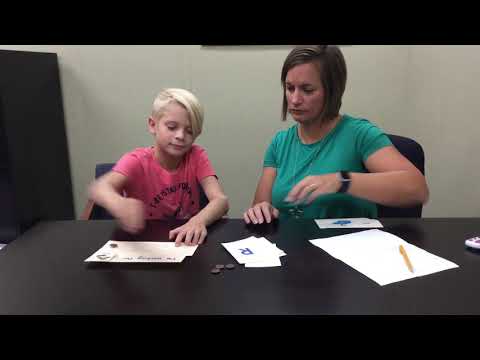
A typical week of ABA therapy with our team might look like this:
- Morning DTT block: 30–45 minutes of structured teaching to introduce a new skill (e.g., labeling emotions on picture cards).
- NET woven throughout the day: During play, snack time, getting dressed, or a walk around the neighborhood, the therapist creates opportunities for the child to use the same skill in real contexts (“How does Mommy feel? She’s happy!”).
- Parent training sessions: We coach you to recognize and create those same NET moments after the therapist leaves, so your child practices skills with the people they love most.
This blended approach is exactly why our in-home ABA therapy and weekend ABA programs are so effective for Laurel families. We’re working in the very environments where your child needs to use these skills.
How Admire ABA Personalizes Teaching Methods for Each Child
No two children with autism are alike, and no two ABA programs at Admire ABA look exactly the same. When a family begins services with us, we start with:
- A comprehensive assessment by a BCBA, including direct observation and parent interviews to clarify a child’s profile.
- Individualized goal setting based on what matters most for your child and family, not a one-size-fits-all curriculum.
- A teaching method blend tailored to your child’s age, learning style, attention span, sensory needs, and goals.
- Ongoing data collection so we can adjust the balance of DTT and NET as your child progresses.
For a 2-year-old just starting early intervention, we might lean more heavily on NET to build engagement and rapport while introducing brief DTT moments. For a 7-year-old preparing for kindergarten transitions, we may use more DTT to teach academic readiness while using NET to support peer interaction at recess.
Why the Right Teaching Method Matters for Laurel Families
Laurel sits at a unique crossroads in Maryland. Families here often balance long commutes, multiple school systems (Howard, Prince George’s, and Anne Arundel counties all touch the area), and demanding schedules. That’s why the flexibility of how ABA is taught matters so much.
Our team meets children where they are: in their living rooms in West Laurel, at their daycare in Russett, at the kitchen table after school, or on weekends when parents have more time to participate. The two teaching methods give us the tools to make therapy work in any of those contexts without sacrificing quality.
We’ve also found that when parents understand why their child is doing a certain activity in session, why the therapist is repeating the same question 15 times, or why they’re “just playing” with cars, they become much stronger partners in the process. That partnership is, in our experience, one of the biggest predictors of long-term progress.
We offer:
- In-Home ABA Therapy
- Parent Training
- Daycare-Based ABA
- Weekend ABA
- Early Intervention ABA Therapy
- Diagnostic Services
Conclusion
ABA therapy works because it’s both science and art. Science gives us proven teaching methods like Discrete Trial Training and Natural Environment Teaching. The art lies in knowing how to combine them for each individual child, when to sit at the table, when to follow the child to the toy bin, and when to step back and let a learned skill shine in the real world.
For families in Laurel, Maryland, understanding these two methods isn’t just academic, it’s practical. It helps you see why your child’s program is designed the way it is, what progress to look for, and how you can support that learning at home. Whether your child is just beginning their ABA journey or has been receiving services for years, a thoughtful blend of DTT and NET, delivered by a caring and qualified team, can open doors you may not have thought possible.
At Admire ABA, we’re proud to support children with autism and their families in Laurel, Columbia, Silver Spring, Bowie, College Park, and surrounding Maryland communities. Our compassionate team uses the right blend of Discrete Trial Training and Natural Environment Teaching to help your child through ABA therapy in Maryland build real, lasting skills, at home, at daycare, and in the places that matter most to your family.
Ready to start ABA therapy in Laurel, MD? Contact us today!
Frequently Asked Questions
Which ABA teaching method is best for my child, DTT or NET?
There isn’t a single “best” method, the most effective ABA programs use both. Discrete Trial Training is typically best for introducing new skills in a focused, structured way, while Natural Environment Teaching helps your child use those skills in real-life situations. A qualified BCBA will assess your child’s needs, age, and goals to determine the right blend, and they’ll adjust that balance as your child grows.
How long does it take to see results from ABA therapy in Laurel?
Most families begin to notice small changes, better engagement, new sounds or words, fewer challenging behaviors, within the first 4 to 8 weeks of consistent therapy. Larger, lasting gains generally emerge over 6 to 12 months of treatment. Progress depends on factors like the number of weekly hours, parent involvement, and how well the program is individualized for your child. At Admire ABA, we share data with families regularly so you can see exactly how your child is progressing.
Can ABA therapy be done at home in Laurel, or does my child have to go to a clinic?
Yes, home-based ABA is one of the most effective settings, especially for younger children. Admire ABA offers in-home ABA therapy throughout Laurel and surrounding Maryland communities, along with daycare-based ABA, weekend ABA, parent training, and early intervention services. Home and natural-setting therapy makes it easier to teach skills your child will actually use, such as getting dressed, communicating with siblings, and participating in family meals, without the added stress of a clinic commute.
SOURCES:
- https://www.nu.edu/blog/what-is-natural-environment-teaching/
- https://www.quora.com/What-is-Natural-Environment-Teaching-for-preschool-children
- https://pubmed.ncbi.nlm.nih.gov/38917993/
- https://autismbehaviorservices.com/guide/natural-environment-teaching-autism/
- https://institute.centralreach.com/courses/net-natural-environment-teaching