Introduction
Starting ABA therapy comes with hope, hard work, and a long list of questions. One of the most common things we hear from families across Maryland is, “How do I actually know if this is working?” It’s a fair question. ABA therapy is a serious commitment of time, energy, and emotional bandwidth, and parents want assurance that all those hours of sessions, data sheets, and parent training are adding up to real change for their child.
The good news: progress in ABA isn’t a mystery. It’s measurable, observable, and often visible in the small moments at home. The harder part is knowing what to look for, because progress rarely arrives as a single dramatic breakthrough. More often, it builds quietly, a new word, a calmer transition, a meltdown that used to last 30 minutes now lasts five.
In this guide, we’ll walk through the clearest signs that ABA therapy is working, how to read your child’s data, what timelines to expect, and what to do if you’re not seeing the progress you hoped for.
Why Progress in ABA Is Measured Differently
Unlike many therapies where progress is judged subjectively, ABA is data-driven by design. Every session, your child’s Registered Behavior Technician (RBT) collects information on how often a target behavior occurred, how many trials your child completed correctly, how long transitions to the next activity took, and so on. That data feeds back to a Board Certified Behavior Analyst (BCBA), who adjusts the treatment plan based on what’s actually happening, not what people feel like is happening.
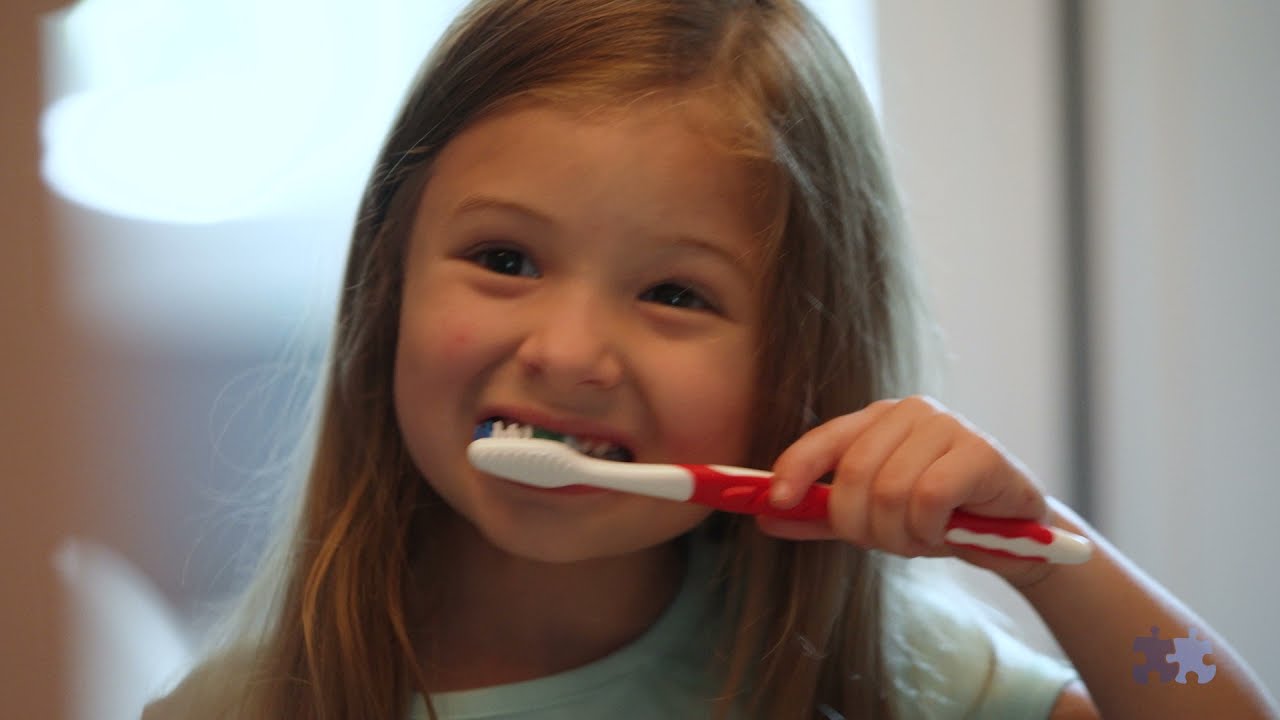
This matters because progress in ABA isn’t supposed to be guessed at. If your provider can’t tell you specifically how your child is doing, that’s a flag in itself. Strong programs share data regularly, explain what targets are being worked on, and translate the numbers into language that makes sense to families. When parents and clinicians look at the same evidence, decisions about hours, goals, and approach get a lot easier.
Want to see real, measurable progress?
Good ABA is built on clear goals and regular check-ins. Our team tracks your child's progress and adjusts the plan as they grow.
Talk to our team
7 Signs ABA Therapy Is Working for Your Child
1. New skills are showing up
The most encouraging early sign is skill acquisition. This could look like your child requesting items by name (or with a communication device) instead of crying, following simple two-step directions, tolerating having teeth brushed or hair combed, putting on their shoes independently, or greeting a sibling without being prompted.
These look small when written out. They’re not. For a child who couldn’t do any of them six months ago, each one represents weeks of repetition, reinforcement, and trust-building between your child and their team.
2. Challenging behaviors are decreasing
Decrease doesn’t always mean gone. Look for changes in three dimensions:
- Frequency — how often the behavior happens
- Intensity — how severe it is when it does occur
- Duration — how long it lasts before your child recovers
A child who used to have hour-long meltdowns at every drop-off and now has 10-minute upset-but-manageable moments is making real progress, even though the meltdown still happens. Quality ABA targets the function of behavior (what your child is trying to communicate or achieve), not just suppression, so improvement often shows up as shorter, less intense episodes before disappearing entirely.
3. Skills are generalizing outside of sessions
This is the test parents care about most. A skill that only appears with the therapist isn’t useful in real life. Watch for moments when your child uses something they’ve been working on in session, but with you, a grandparent, a teacher, or in a new environment like a grocery store or playground. Generalization is the goal of any good ABA program, and it’s a strong indicator that the learning is sticking.
4. Independence in daily routines is growing
Mornings, mealtimes, bedtime, and transitions between activities are where families feel the difference most. If your child needs fewer prompts to do something they used to need full assistance with, that’s progress. If they’re starting tasks on their own, that’s even bigger. The shift from “I have to do everything for them” to “I can hand them their toothbrush and walk away” is often what parents describe when they say therapy is finally working.
5. Engagement and attention have improved
Children who initially struggled to sit through a 5-minute task may now stay engaged for 15. Eye contact, joint attention, willingness to participate in shared activities, and tolerance for back-and-forth play tend to grow as therapy progresses. These foundational skills are what make nearly every other goal possible, so improvement here is a meaningful early win.
6. Emotional regulation is steadier
Better regulation looks like a child recovering faster from disappointment, using a learned coping strategy (deep breaths, requesting a break, going to a quiet space), or being able to wait a few minutes for something they want instead of melting down immediately. These don’t appear overnight, but when they start to show up, they tend to transform daily life for the whole family.
7. You feel more confident as a parent
This one gets overlooked, but it matters. Quality ABA includes parent training, and when it’s working, parents tell us they finally have tools that work. They know how to handle a meltdown without making it worse, how to teach a new skill at home, and how to communicate with their child’s school team. Parental confidence is itself a measure of program success, and one of the clearest signals that the work in session is translating into real life.
What Your BCBA’s Data Should Show You
Roughly every few months, your BCBA should be sharing a progress report or scheduling a treatment review. When you sit down for one, ask to see mastered goals (skills your child has met criteria on), in-progress goals (what’s currently being worked on), behavior data trends over weeks and months rather than single sessions, and any updated targets being added as your child grows.
If a goal hasn’t moved in months, ask why. Good BCBAs welcome the conversation. They want to know what families are observing at home, so the plan can adjust, and the families we work with often spot something at home that changes how we approach a goal in session.
How Long Before You See Results?
This is the question every family asks, and the honest answer is: it depends. Several factors influence the timeline, your child’s age and developmental profile, weekly hours of therapy that research generally supports 20+ hours per week for early intervention, consistency of attendance, how strategies are carried over at home and school, and the specific goals being targeted.
That said, here’s a rough guide based on what we see in our sessions:
- First 4–6 weeks: Rapport-building, baseline data collection, and small initial wins. This phase can feel quiet. That’s normal.
- 2–3 months: Clear skill acquisition begins. Behavior trends start to shift.
- 6 months: Meaningful changes in communication, daily living skills, and challenging behaviors become noticeable to family and teachers.
- 12 months and beyond: Substantial gains across multiple domains, generalization across settings, and often a need to update goals more aggressively because your child is moving faster than the original plan anticipated.
If the first month feels underwhelming, that doesn’t mean therapy isn’t working. Therapists are learning your child, your child is learning the therapist, and a data baseline is being set so progress can be measured against something real.
An Example From Our Sessions
A Maryland family we worked with started in-home ABA with their four-year-old son shortly after his autism diagnosis. At intake, he had fewer than five spoken words, frequent self-injurious behavior when frustrated, and could not tolerate having his shoes put on for school. The family was exhausted, and the morning routine had become a daily crisis.
In the first six weeks, his BCBA prioritized functional communication training and temporarily reduced demands while building rapport. By month three, he was using a picture exchange system to request preferred items, and self-injurious episodes had dropped from roughly 12 per session to 2. By month six, he had over 40 spoken words, was tolerating his full morning routine with minimal prompting, and his mother, who had completed parent training, was running structured teaching moments at home.
A year in, his goals had shifted to early academics and peer interaction. None of it was dramatic in any single week. It was the slow, deliberate kind of progress that compounds, and the data showed it long before the family fully felt it.
When ABA Therapy May Not Be Working and What to Do
Sometimes, despite consistent sessions, progress stalls. If you’re 4–6 months in and seeing little to no change, it’s worth asking a few questions:
- Are the goals aligned with what matters at home? Sometimes programs work on what’s easy to measure rather than what families actually care about. Ask your BCBA to adjust priorities.
- Are weekly hours sufficient? A child prescribed 25 hours but receiving 8 due to scheduling gaps will progress much more slowly.
- Is the approach a good fit? Modern ABA looks very different from older models. It should be play-based, child-led where possible, assent-based, and focused on quality of life, not compliance for compliance’s sake.
- Is there an unaddressed medical or sensory issue? Sleep problems, GI issues, undiagnosed sensory needs, or anxiety can all suppress progress. A diagnostic re-evaluation may be warranted.
- Is the team consistent? Therapist turnover matters. Children who need stable relationships to learn can stall when their RBT changes frequently.
A good provider will welcome these questions, not deflect them. If you’re raising concerns and feeling brushed off, that’s information too.
Conclusion
Knowing whether ABA therapy is working for your child doesn’t require a clinical degree. It requires knowing what to look for. Skill acquisition, decreasing challenging behaviors, generalization across new settings, growing independence, better engagement and emotional regulation, and your own increasing confidence as a parent are all real, observable signs that the work is paying off. Pair those everyday observations with the data your BCBA is collecting, and you’ll have a clear, honest picture of where your child stands.
Progress in ABA is rarely linear, and it rarely looks like the dramatic transformations TV would have you expect. It looks like a quieter morning. A new word. A meltdown that didn’t happen. Trust those moments, and trust the data behind them.
Start ABA Therapy With Admire ABA
At Admire ABA, we provide in-home ABA therapy, parent training, and early intervention services for families in Maryland, including Dundalk, Bowie, and Severn. Our team builds individualized plans grounded in real-time data, regular progress reviews, and meaningful collaboration with parents, because the families we serve deserve to know exactly how their child is doing and why.
Whether you’re considering ABA therapy for the first time or looking for a second opinion on a current program, we’d love to talk. Contact us today!
Frequently Asked Questions
How long does it take to see results from ABA therapy?
Most families begin to see meaningful changes within 2–3 months of consistent therapy, with significant progress typically visible around the 6-month mark. The first 4–6 weeks are usually focused on rapport-building, baseline data collection, and small initial wins. Specific timelines depend on weekly hours, your child’s developmental profile, and how consistently strategies are reinforced at home and school.
What are the signs that ABA therapy isn’t working for my child?
If you’ve been in therapy for 4–6 months and aren’t seeing skill acquisition, behavior changes, or any movement in your child’s data, it’s worth a direct conversation with your BCBA. Other warning signs include high therapist turnover, goals that don’t match what matters to your family, and sessions that feel rigid, scripted, or distressing for your child. A quality provider will adjust the treatment plan based on your feedback rather than defending the original plan.
How can parents track ABA therapy progress at home?
Focus on three things: new skills (when they appear and in what settings), challenging behaviors (frequency, intensity, and duration), and independence in daily routines. A simple notebook or shared notes app works well. Bring your observations to your BCBA meetings, what you see at home is often the clearest measure of generalization, which is the ultimate goal of any ABA program.
SOURCES:
- https://www.bacb.com/rbt/
- https://rbtbank.com/
- https://online.regiscollege.edu/blog/aba-therapy-examples
- https://pmc.ncbi.nlm.nih.gov/articles/PMC9458805/
- https://www.healthline.com/health/aba-therapy