
Introduction
If you have an autistic child, you have probably wondered whether bringing an animal into your home might help. Maybe a relative swears their dog transformed their nephew. Maybe you have seen a heartwarming video of a child and a service animal and thought, “Could that be us?” It is one of the most common questions families ask, and it deserves an honest answer rather than a hopeful one.
The good news is that there is real research here, not just anecdotes. The good news is that the research says something more specific and more interesting than “pets are good for autistic kids.” Below, we walk through what peer-reviewed studies actually show, where the evidence is strong, where it is thin, and what that means for your family. We also clear up a distinction that trips up almost everyone: the difference between service animals, therapy animals, and companion pets.
First, Three Very Different Things People Lump Together
When parents say “we are thinking about getting a pet to help our child,” they are often picturing one thing while describing another. These three categories are not interchangeable, and confusing them leads to disappointment, wasted money, and sometimes legal headaches.
Service animals. Under the Americans with Disabilities Act, a service animal is a dog (or, in limited cases, a miniature horse) individually trained to perform specific tasks for a person with a disability. For an autistic child, that might mean a dog trained to interrupt repetitive self-harming behavior, or to track and find a child who tends to wander. The key word is trained tasks. Service animals have legal public-access rights, meaning they can accompany their handler into restaurants, stores, and schools.
Therapy animals. A therapy animal is typically a friendly, well-mannered pet that visits many different people in settings like hospitals, libraries, and schools to provide comfort. Therapy animals work with a handler to benefit others, and they do not have public-access rights under the ADA. The dog you might meet during a structured therapy session falls into this category, not the service-animal category.
Companion pets (including emotional support animals). This is the family dog, cat, rabbit, or guinea pig that lives in your home. An emotional support animal is a companion pet that a licensed professional has identified as providing emotional benefit, but it has no specialized task training and no public-access rights beyond certain housing protections. The overwhelming majority of “pets for autistic children” conversations are really about this category: an ordinary family animal.
Why does this matter? Because most of the encouraging research and most of the realistic, affordable options sit in that third bucket. A trained autism service dog can cost tens of thousands of dollars and involve long waitlists. A family cat does not. Knowing which one you are actually considering keeps your expectations grounded.
What the Research Shows on Social Skills
This is the strongest and most consistent finding in the literature. Across many studies, the most reliable benefit researchers observe is increased social interaction.
A systematic review of animal-assisted intervention research led by Maralee O’Haire found that, across a heterogeneous group of studies, the single most consistent outcome was an increase in social interaction. Importantly, the same review concluded that these approaches should be viewed as potentially promising enrichment, not as standalone or replacement treatments.
Companion pets show up in this research, too. In a telephone survey of 70 parents of autistic children, children who owned dogs scored higher on a standard social-skills measure, and children with any kind of pet scored higher on a subscale related to assertion. Parents also described their children as strongly bonded to their dogs.
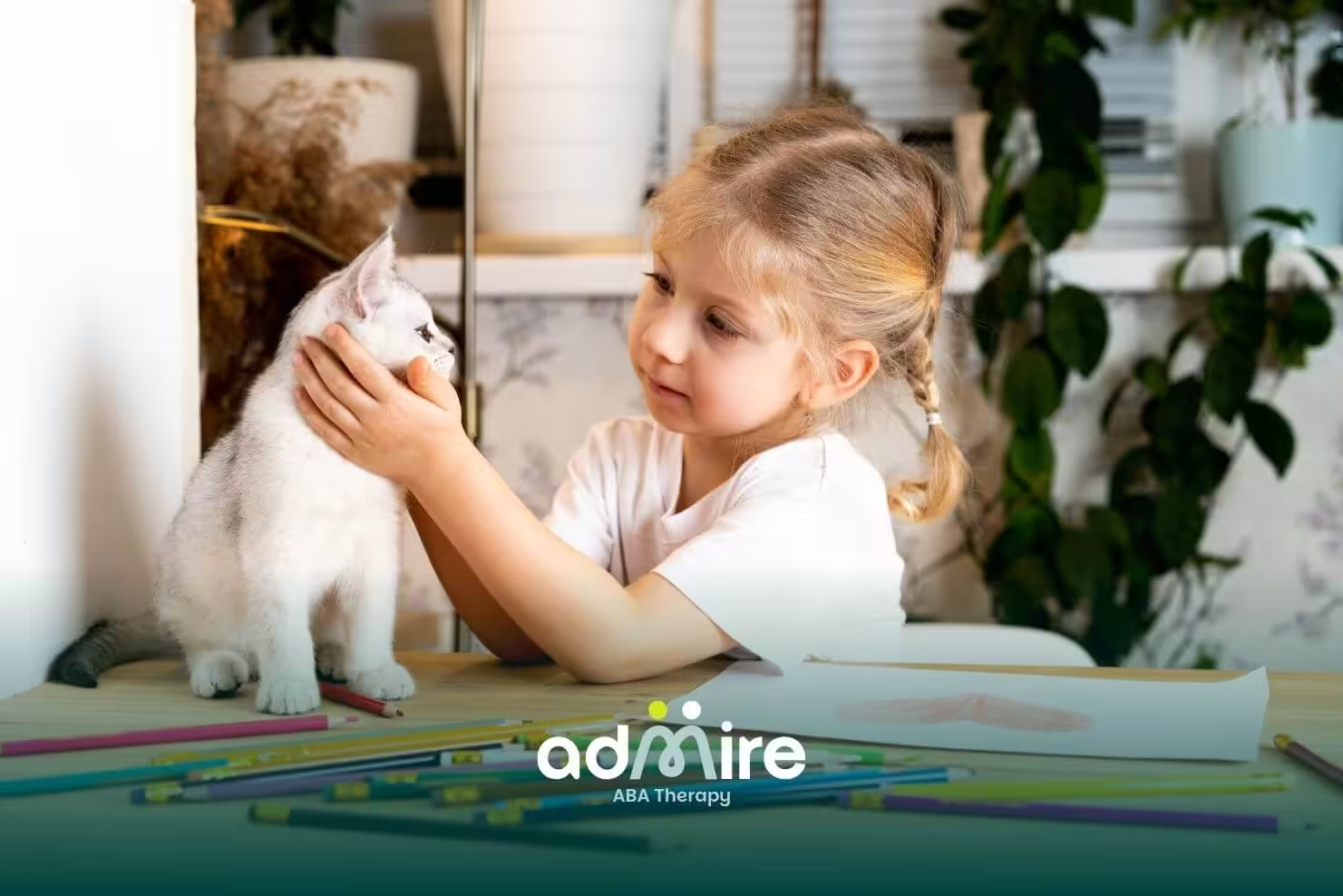
A more recent mixed-methods study added an important nuance. Among 65 families, it was not pet ownership by itself that mattered most, but the quality of the child’s relationship with the animal. Children’s positive behavior toward their pet predicted their prosocial behavior more broadly, while simply having a pet in the house did not automatically translate to gains. One parent in that study captured the appeal perfectly, describing how their child practiced newly learned social skills on the family cat first, where the stakes felt lower.
That detail is worth holding onto. An animal can become a safe, patient, non-judgmental partner for rehearsing eye contact, turn-taking, gentle touch, and conversation, skills that can then transfer to people.
What the Research Shows on Stress and Calm
Several studies point toward animals helping children feel calmer, though this evidence is more mixed than the social findings.
A systematic review covering research from 2016 to 2020 found that across multiple studies, autistic individuals reported relief from stress, comfort, and a sense of calm when interacting with companion animals. Two studies even measured lower heart-rate reactivity when children interacted with a live dog compared with a robot dog or a toy.
A separate systematic review of dog-assisted therapy reported associations with improved concentration and reductions in isolation, alongside the social benefits.
The honest caveat: reviewers repeatedly note that the long-term, lasting effect of animals on stress in autistic people has not been firmly established. Short-term calm during an interaction is well documented. Durable, weeks-and-months-later change is much less certain.
What the Research Shows on Family Functioning
This is the area many parents overlook, and it may be the most practical. The benefit is sometimes felt by the whole household, not just the child.
Research funded through the Human Animal Bond Research Institute found that families who added a pet dog showed reductions in overall family difficulties and in parental stress over time, suggesting that dog ownership may ease the parent-child dynamic, not only the child’s experience.
The picture is not uniform, though. An earlier review noted genuinely mixed results: one study found reductions in parenting stress from companion animals, while another found no significant change in caregiver strain from service animals. In other words, what helps one family may not move the needle for another, and the type of animal matters.
Research on autism service dogs adds a specific mechanism here: the dog often functions as a “social bridge.” Caregivers describe their child finding it easier to approach other children when the conversation can start with the dog, and they report that the public tends to show more patience and less judgment when the animal is present.
What the Research Does NOT Show (Read This Part)
It would be easy to stop at the encouraging findings. Doing your family a real service means looking at the limits, too.
A pet is not a treatment. No credible body of research supports the idea that adding an animal will reduce autistic traits or replace evidence-based supports. Reviewers are consistent on this point: animal involvement is best understood as enrichment that may complement other supports, not as therapy in itself.
It does not work for every child. The same studies that found benefits also documented negative outcomes, including profound grief when an animal died, safety concerns for both child and animal, and cases where no real bond formed at all. In therapist and parent interviews, professionals noted that animals can sometimes trigger agitation, distress, or a meltdown rather than calm. A child who is fearful of dogs, sensitive to unpredictable movement, or overwhelmed by the noise and smell of an animal may find a pet stressful, not soothing.
The animal’s well-being matters too. A bond only works if it is genuinely two-way and supervised. One study that measured stress hormones in a therapy dog found it did not show significant stress changes on working days, which is reassuring, but the researchers stressed that animal welfare must be actively protected, especially with young children who are still learning gentle handling. Child-pet relationships should always develop under adult supervision so that both the child and the animal stay safe and comfortable.
Taken together, the literature supports a measured conclusion: pets can be a meaningful, positive presence for many autistic children, the social benefits are the most reliable, and the right relationship matters far more than simply acquiring an animal.
How a Pet Can Fit Alongside ABA
Here is where the research and day-to-day practice meet. A pet is not a substitute for skilled support, but it can be a wonderful partner to it.
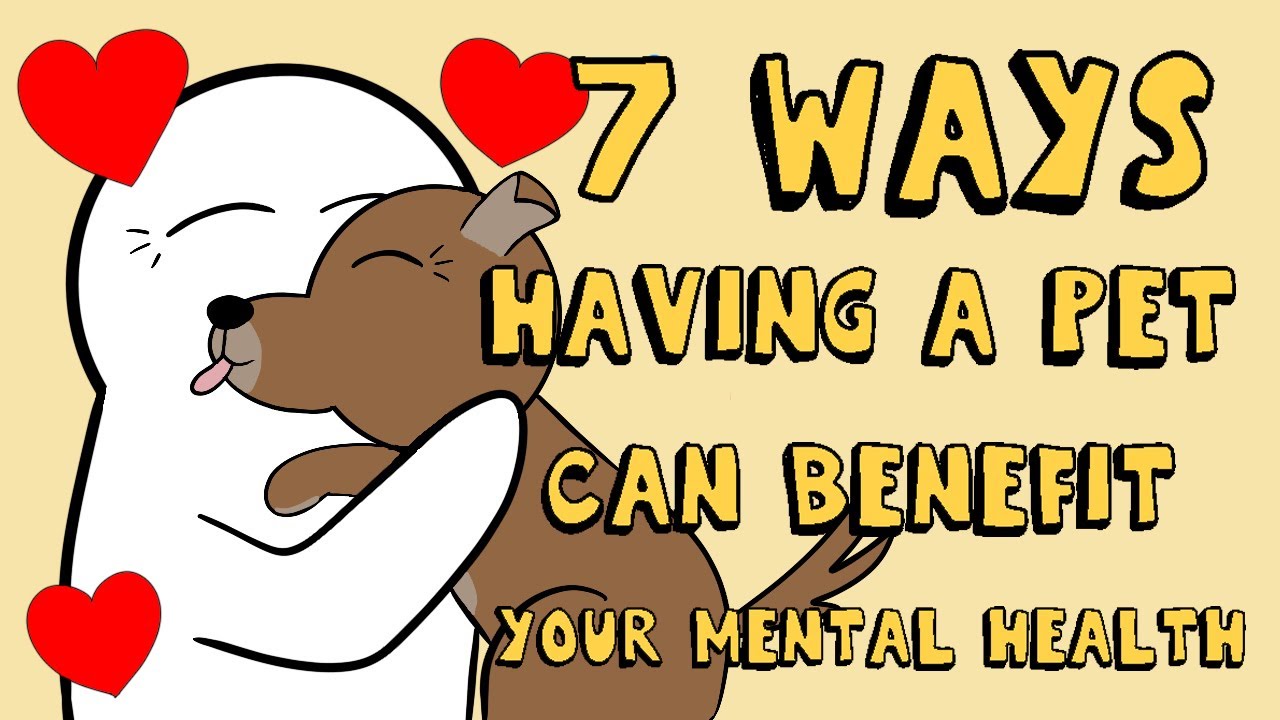
In our parent training sessions, we often hear from families who want to know how to make the new pet “count” for their child’s goals. The answer is that an animal creates dozens of natural, low-pressure learning moments throughout the day. Filling a water bowl builds responsibility and sequencing. Asking for the dog’s attention rehearses requesting and initiating. Brushing a cat involves gentle, regulated touch. In our in-home work, we have seen children who resist a structured task light up when the same skill is wrapped around feeding or walking an animal they love, because the motivation is already there.
That is the practical bridge: a behavior analyst can help you turn everyday pet care into individualized targets that match what your child is already working on. The animal supplies the motivation, and the structured plan turns that motivation into durable skills.
Animals also intersect with sensory needs, which deserve their own care. Some children find an animal’s warmth and weight calming, while others are sensitive to fur, sound, or sudden movement. If you are already thinking about how your child regulates their sensory world, our guide on sensory regulation strategies and noise-canceling headphones pairs well with this topic and can help you read your child’s responses to a new animal.
How to Choose, If You Decide to Try
If the research has you leaning toward a pet, a few evidence-informed questions can save heartache later. Start with your specific child rather than the species: does your child seek out animals or avoid them, and how do they respond to fur, noise, and unpredictability? Match the animal’s energy and care needs to your family’s actual capacity, since a calm, lower-maintenance animal can be a better fit than a high-energy dog for a stretched household. Involve your child in age-appropriate ways before committing, perhaps by spending time with a friend’s well-behaved pet. And be clear-eyed about cost and commitment, especially for a trained service dog, which is a years-long financial and logistical undertaking rather than a quick solution.
Above all, give the relationship time and supervision to develop. The benefit shows up in the bond, and bonds are built slowly.
Conclusion
So, what does the research actually show about pets for autistic children? It shows real promise, with the most consistent benefit being increased social interaction, alongside encouraging but less certain effects on calm and on family stress. It shows that the quality of the child-animal relationship matters far more than ownership alone. And it shows clear limits: a pet is enrichment, not a treatment. It does not suit every child, and the animal’s welfare and the child’s safety both require adult supervision. Understanding the difference between a service animal, a therapy animal, and a companion pet keeps your expectations realistic and your decision sound. For many families, a well-matched animal becomes a patient teacher and a steady source of comfort. For others, it simply is not the right fit, and that is okay too.
Work With a Team That Knows Maryland Families
At Admire ABA, we help families turn everyday moments, including life with a beloved pet, into meaningful progress for their child. Our personalized, evidence-based programs include in-home ABA therapy, parent training, early intervention, and diagnostic services, and we proudly support families in Baltimore, Silver Spring, Rockville, and communities throughout Maryland.
Contact us today to talk with our team about your child’s goals and how individualized ABA support can fit your family’s life.
Frequently Asked Questions
What is the best pet for an autistic child?
There is no single “best” pet, because the right choice depends on the individual child. Dogs are the most-researched animal and are often chosen for their interactive, trainable nature, but cats, rabbits, and other gentle, lower-maintenance animals can be excellent matches for children who prefer calmer companionship or live in smaller homes. The most important factors are your child’s own comfort with the animal, their sensory responses to fur, noise, and movement, and your family’s realistic capacity to care for a pet. The quality of the bond matters far more than the species.
Do dogs really help autistic children?
Research suggests they can, with some important caveats. Studies most consistently link dog ownership and dog interaction with increased social interaction, and some families report calmer moods and reduced household stress. However, the evidence does not show that a dog reduces autistic traits or works as a treatment, and the benefits are not universal. Some children do not bond with a dog, and a few may find an animal stressful rather than soothing. A dog is best seen as a positive complement to evidence-based support, not a replacement for it.
What is the difference between a service dog and an emotional support animal for autism?
A service dog is individually trained to perform specific tasks for a child with a disability, such as interrupting harmful behavior or preventing wandering, and it has legal public-access rights under the Americans with Disabilities Act. An emotional support animal is a companion pet that provides comfort through its presence but has no specialized task training and no general public-access rights beyond certain housing protections. In short, a service dog does trained work, while an emotional support animal offers companionship. Most family pets fall into the companion or emotional support category.
SOURCES:
- https://autism.org/pet-ownership-and-autism/
- https://habri.org/pressroom/20201209/
- https://www.brainbalancecenters.com/blog/benefits-pet-ownership-children-special-needs
- https://pmc.ncbi.nlm.nih.gov/articles/PMC4513200/
- https://psychiatryonline.org/doi/full/10.1176/appi.pn.2015.2a7