Introduction
When families first hear about Applied Behavior Analysis (ABA) therapy, one of the earliest questions they ask is also one of the most important: Does my child actually qualify? It’s a fair question, and the answer involves more than a single checkbox. Eligibility depends on a combination of age, diagnosis, insurance plan rules, and, for Maryland families, specifically state Medicaid criteria that can look very different from private coverage.
This guide walks through each of those pieces in plain language. Whether you’re a parent waiting on a diagnostic evaluation, a family member trying to support a loved one, a teacher noticing a student who might benefit from services, or an early-career clinician learning the lay of the land, the goal here is to give you a clear picture of who ABA therapy is for and how to access it.
What ABA Therapy Is (and Isn’t)
ABA therapy is an evidence-based approach that uses principles of learning and behavior to help individuals build skills and reduce behaviors that interfere with daily life. In practice, that can look like helping a four-year-old learn to request a snack instead of crying, supporting a nine-year-old in tolerating transitions between activities, or teaching a teenager the social steps involved in ordering food at a restaurant.
It’s worth saying upfront: ABA isn’t only for young children, and it isn’t only about “compliance.” Modern, ethical ABA is individualized, assent-based, and built around goals that genuinely matter to the learner and their family. The qualification question is really about who is most likely to benefit and whose care will be covered.
Age Ranges: When Can Someone Start ABA Therapy?
There’s no universal minimum or maximum age for ABA, but research and insurance practice point to some general patterns.
Early intervention (ages 18 months to 5 years) is where ABA has the strongest evidence base. The brain’s plasticity during these years means children often make significant gains in communication, social engagement, and adaptive skills. Many of the families we work with begin therapy somewhere between ages two and four, often right after a developmental pediatrician confirms a diagnosis.
School-age children (ages 6 to 12) also qualify and frequently benefit from ABA, particularly when goals shift toward academic readiness, peer interaction, emotional regulation, and independence in self-care.
Adolescents and teenagers (ages 13 to 18) can absolutely qualify, though goals typically center on social communication, vocational preparation, independent living skills, and managing co-occurring challenges like anxiety or rigid thinking patterns.
Adults can receive ABA in some cases, but insurance coverage becomes more variable past age 21, and most plans require a clear medical necessity justification.
The practical takeaway: if you’re wondering whether your child is too young or too old, the answer is almost always “no, they’re not.” What matters more is whether ABA is the right fit for their current needs and whether their coverage supports it.
Wondering if your child qualifies for ABA?
We can help you understand eligibility, insurance, and how to get started with ABA therapy in Maryland.
Check your options with us
Diagnoses Covered by ABA Therapy
This is the area where families get the most confused, and understandably so. Here’s how it actually works.
Autism Spectrum Disorder (ASD) is the primary qualifying diagnosis for ABA under nearly every insurance plan in the United States. This is because every state, including Maryland, has passed autism insurance reform legislation requiring health plans to cover medically necessary behavioral health treatment for autism. ABA falls squarely under that umbrella.
A formal ASD diagnosis typically needs to come from a qualified professional: a developmental pediatrician, a child psychologist or psychiatrist, a neuropsychologist, or, in some cases, a licensed clinical social worker with appropriate credentials. The diagnostic process usually involves standardized tools like the ADOS-2 (Autism Diagnostic Observation Schedule) and ADI-R (Autism Diagnostic Interview-Revised), combined with developmental history, caregiver interviews, and direct observation.
What about other diagnoses?
This is where it gets nuanced:
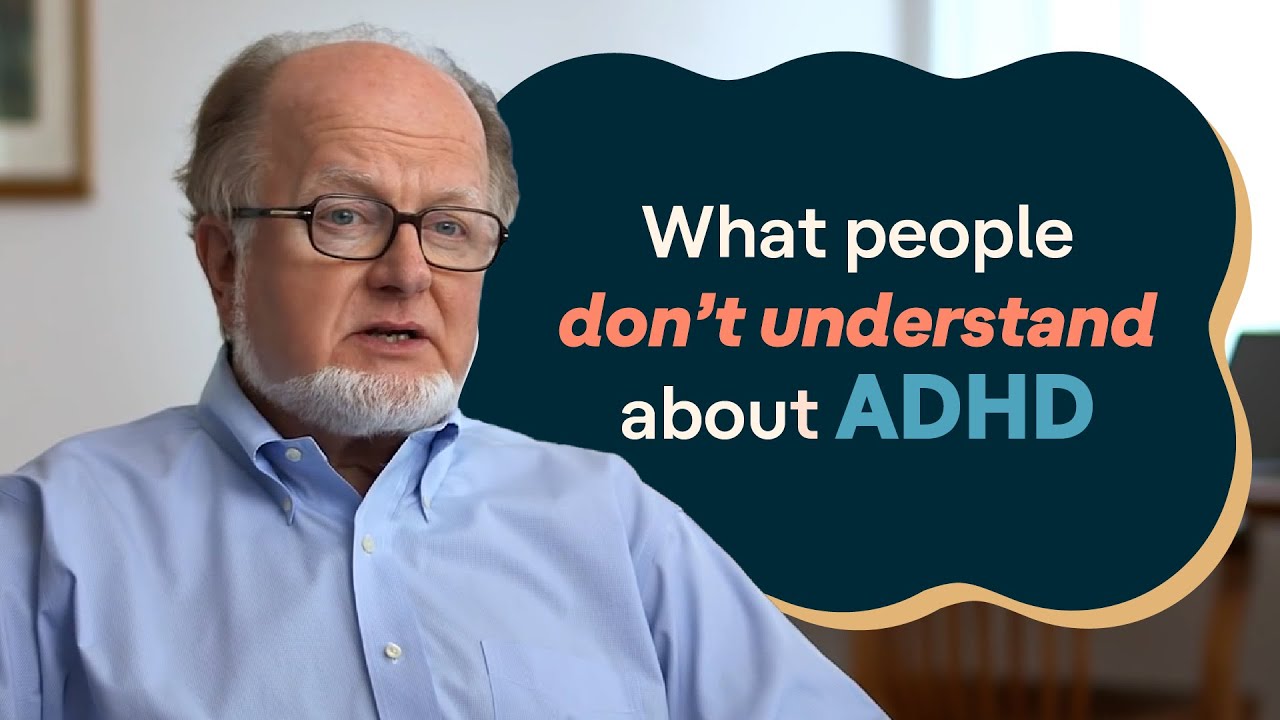
- ADHD, anxiety disorders, intellectual disability, and developmental delays alone generally do not qualify for ABA under most commercial insurance plans. ABA can absolutely help with these conditions clinically, but insurance criteria typically tie coverage to autism specifically.
- Co-occurring diagnoses alongside autism (which is extremely common; many autistic children also have ADHD, anxiety, or learning differences) are addressed as part of the ABA treatment plan once the autism diagnosis establishes eligibility.
- Some Medicaid programs and self-funded employer plans are broader and may cover ABA for other developmental or behavioral conditions, but this is the exception, not the rule.
If a family comes to us unsure whether their child qualifies, the first step is almost always getting a comprehensive diagnostic evaluation. That single document opens nearly every door that follows.
Insurance Criteria: What Most Plans Require
Once a diagnosis is in place, insurance plans apply their own medical necessity criteria before authorizing services. While the specifics vary, most plans look for the same core elements:
A current ASD diagnosis from a qualified provider, typically within the last one to three years, is the starting point. Some plans require re-evaluation every few years to maintain authorization. Plans also require a comprehensive ABA assessment, usually conducted by a Board Certified Behavior Analyst (BCBA), that documents the learner’s current skill levels, behavioral challenges, and proposed treatment goals.
Most plans expect that goals be measurable and tied to functional outcomes (communication, daily living, safety, social skills) rather than vague aspirations. They also typically require ongoing progress reporting, often every six months, to continue authorizing hours.
In our experience working with Maryland families, the most common reasons an initial authorization gets delayed aren’t because the child doesn’t qualify, they’re because paperwork is incomplete, the diagnostic report doesn’t clearly document ASD criteria, or the assessment doesn’t make a strong medical necessity case. A clinical team that knows how to navigate these submissions makes a real difference. You can review what plans we work with and how authorization typically unfolds on our insurance coverage page.
Maryland Medicaid Eligibility for ABA Therapy
Maryland Medicaid covers ABA therapy for eligible beneficiaries, and the criteria are worth understanding in detail because they affect a significant portion of the families we serve.
To qualify for ABA through Maryland Medicaid, a beneficiary generally needs to:
- Be under age 21. Medicaid coverage for ABA in Maryland is delivered primarily through the EPSDT (Early and Periodic Screening, Diagnostic, and Treatment) benefit, which is for individuals under 21.
- Have a documented ASD diagnosis from a qualified diagnostician using standardized assessment tools.
- Demonstrate medical necessity through a behavioral assessment showing that ABA is appropriate for the individual’s needs.
- Be enrolled in Maryland Medicaid or a Medicaid Managed Care Organization (MCO) such as Priority Partners, Maryland Physicians Care, UnitedHealthcare Community Plan, Aetna Better Health, WellPoint, Kaiser Permanente, or CareFirst Community Health Plan Maryland.
One thing families sometimes don’t realize: even children with private insurance may qualify for Medicaid as secondary coverage through programs like the Model Waiver or the Autism Waiver, which can help cover services or hours that primary insurance won’t. These waivers have their own eligibility criteria and waitlists, so getting on the list early is something we routinely recommend during intake conversations.
What Qualification Looks Like in Practice
To make this concrete, here’s a composite picture drawn from the kinds of cases we see regularly. A family reaches out because their three-year-old isn’t using words consistently, struggles with transitions, and has had a recent ASD diagnosis from a developmental pediatrician. They have commercial insurance through one parent’s employer and want to start ABA.
The path forward looks something like this: we verify their insurance benefits and confirm ABA coverage, gather the diagnostic report, conduct a BCBA-led assessment in their home over two to three sessions, submit the treatment plan to the insurer for authorization, and once approved, begin therapy. From first call to first session is often four to eight weeks, depending on insurance responsiveness.
For a family on Medicaid, the steps are similar but involve coordinating with their MCO and confirming any waiver eligibility. In our sessions with Medicaid families, we’ve found that being upfront about timelines and paperwork reduces frustration significantly. The system works. It just takes patience.
When Someone Doesn’t Qualify (and What to Do)
Sometimes a family contacts us and, after looking at their situation, ABA isn’t the right fit, either because there’s no ASD diagnosis, the child’s needs are better served by another modality, or insurance won’t authorize. When that happens, we try to point families toward appropriate alternatives: speech therapy, occupational therapy, developmental pediatricians for further evaluation, school-based services through an IEP, or family-focused behavioral support. Qualification isn’t a verdict on whether a child needs help. It’s a question of whether this specific service is the right match under their current coverage.
Conclusion
Qualifying for ABA therapy comes down to four interlocking pieces: age (most learners are between 18 months and 21 years), diagnosis (an ASD diagnosis from a qualified provider is the standard requirement), insurance criteria (medical necessity, BCBA assessment, measurable goals), and, for Maryland families, Medicaid eligibility through EPSDT, MCOs, or autism-specific waivers. Each of these has nuances, but they’re all navigable with the right information and a clinical team that knows the local landscape.
If you’re early in the journey and don’t yet have a diagnosis, that’s the first step. If you have a diagnosis but aren’t sure about coverage, a benefits verification call can answer most questions in fifteen minutes. And if you’ve been told “no” somewhere along the way, it’s worth getting a second look. Denials are often paperwork issues, not eligibility issues.
Ready to Find Out If Your Child Qualifies?
Admire ABA serves families across Maryland with compassionate, individualized therapy that meets each learner where they are. Our team supports children and teens through in-home ABA, parent training, daycare-based ABA, weekend sessions, early intervention, and diagnostic services, serving communities around the Bel Air South location in Harford County and in Baltimore County. If you’d like help determining eligibility, verifying insurance, or scheduling a diagnostic evaluation, our team is ready to walk you through every step.
Contact us today to start the conversation phone, email, or our online intake form all reach the same caring team.
Frequently Asked Questions
Can my child get ABA therapy without an autism diagnosis?
Under most commercial insurance plans and Maryland Medicaid, a documented Autism Spectrum Disorder diagnosis is required to qualify for ABA therapy coverage. There are a few exceptions. Certain self-funded employer plans and select Medicaid programs may authorize ABA for other developmental conditions, but these are uncommon. If your child doesn’t yet have a diagnosis but you suspect autism, the first step is a comprehensive diagnostic evaluation from a developmental pediatrician, psychologist, or neuropsychologist. Many ABA providers, including ours, offer diagnostic services to streamline that process.
Is there an age limit for ABA therapy in Maryland?
Maryland Medicaid covers ABA therapy for individuals under age 21 through the EPSDT benefit. Commercial insurance plans vary, but most cover ABA through at least age 18, and some extend coverage into adulthood when medical necessity is documented. There’s no minimum age. Children as young as 18 months can begin early intervention ABA, and research strongly supports starting as early as possible after a diagnosis.
How do I know if my insurance covers ABA therapy?
Every fully insured commercial plan sold in Maryland is required by state law to cover medically necessary ABA therapy for individuals diagnosed with autism. Self-funded employer plans (governed by federal ERISA law) may or may not cover ABA, depending on the employer’s plan design. The fastest way to confirm coverage is to call the member services number on your insurance card and ask specifically about ABA therapy benefits, or let your ABA provider’s intake team run a benefits verification for you, usually a same-day or next-day process.
SOURCES:
- https://www.psychiatry.org/patients-families/adhd/what-is-adhd
- https://www.cdc.gov/adhd/about/index.html
- https://www.nimh.nih.gov/health/topics/attention-deficit-hyperactivity-disorder-adhd
- https://www.mayoclinic.org/diseases-conditions/adhd/symptoms-causes/syc-20350889
- https://en.wikipedia.org/wiki/Attention_deficit_hyperactivity_disorder