

Key Highlights
- ABA therapy success stories show significant improvement in communication, helping children express themselves and reducing frustration.
- The therapy fosters greater independence by teaching daily living skills like self-care through step-by-step methods.
- Children with autism spectrum disorder develop meaningful friendships through targeted social skills training.
- Positive outcomes include better emotional regulation and behavioral management, leading to calmer home environments.
- Tailored treatment plans improve the overall quality of life for the entire family.
- Early intervention with ABA therapy is consistently linked to long-term success in social interactions and daily life.
Introduction
For many families in Maryland, Applied Behavior Analysis (ABA) therapy is a source of hope and progress. This evidence-based approach helps children on the autism spectrum overcome daily challenges and achieve remarkable milestones. Through personalized strategies and positive reinforcement, ABA therapy improves communication, fosters independence, and enhances social skills. These inspiring success stories demonstrate how Applied Behavior Analysis transforms daily life, empowering children to reach their full potential and build a brighter future for themselves and their families.
Understanding ABA Therapy in Maryland
Applied Behavior Analysis, or ABA therapy, is a structured approach that uses proven methods to help children with autism spectrum disorder learn valuable life skills. ABA therapists in Maryland focus on behavior analysis to create plans that support a child’s development in key areas. Early intervention with this therapy often leads to significant long-term gains.
Families see how these personalized strategies help their children navigate daily struggles and make steady progress. ABA therapy is designed to fit each child’s unique needs, providing the targeted support necessary for them to thrive. We’ll explore the principles behind this effective therapy and see why so many local families choose it.
Principles and Approaches of ABA Therapy
At the heart of Applied Behavior Analysis is the principle of positive reinforcement. This means rewarding desired behaviors to encourage a child to repeat them. For instance, a therapist might offer praise or a small reward when a child successfully communicates a need. This simple but powerful ABA technique makes learning a positive experience.
Another key approach is breaking down complex skills into smaller, more manageable steps. Whether it’s learning to brush teeth or have a conversation, this step-by-step process helps prevent children from feeling overwhelmed. ABA therapists use careful behavior analysis to determine the best way to teach these new skills.
Early intervention is also a cornerstone of ABA therapy. Starting therapy at a young age can have a profound impact, as it helps build a strong foundation for communication, social, and adaptive skills. This early support paves the way for lasting positive change and developmental growth.
Why Maryland Families Choose ABA Therapy for Autism
Maryland families dealing with autism spectrum disorder often turn to ABA therapy because of its track record of delivering real, measurable results. Parents frequently report positive changes, such as seeing their child become more independent and better at managing their emotions. These improvements in adaptive skills significantly enhance the quality of life for the entire family.
The personalized nature of ABA services is another major reason for its popularity. A board-certified behavior analyst works closely with your family to create a treatment plan tailored to your child’s specific strengths and challenges. This ensures that the therapy is both effective and respectful of your child’s individual needs.
Ultimately, families choose ABA therapy because it offers hope and a clear path forward. The focus on building practical skills for everyday life helps children gain confidence and participate more fully in their homes, schools, and communities. The progress achieved brings a sense of relief and optimism to parents.
The Journey Before ABA: Family Challenges and Hopes
Before starting ABA therapy, many families face significant challenges related to their child’s developmental disorders. Daily life can be marked by communication difficulties, social isolation, and challenging behaviors, leaving parents feeling overwhelmed and uncertain about the future. Each child’s unique needs require a specialized approach.
The hope for a better quality of life often leads families to explore different options. Let’s look at some of the common struggles parents encounter and what leads them to decide that ABA therapy is the right path for their family.
Early Signs and Struggles Faced by Parents
For many parents of children on the autism spectrum, the early years are filled with worry. You might notice that your child struggles with expressive language, leading to frustration and frequent tantrums. This was the case for the Thompson family, whose son Ben had trouble sharing his feelings or needs, making daily interactions difficult.
Another common struggle is social isolation. Some parents, like Sarah’s, noticed their child preferred playing alone and had difficulty connecting with peers. These challenges in a child’s development can make social events stressful for the whole family.
Recognizing these signs is the first step toward seeking help. Parents often feel a mix of confusion and concern, unsure of how to best support their child. This initial period of struggle is what often prompts them to look into early intervention options like ABA therapy, hoping for a strategy that can make a real difference.
Deciding on ABA Therapy as a Path Forward
Making the decision to start ABA therapy is a significant step for many families. After researching different options, parents are often drawn to its structured and evidence-based approach. The promise of individualized treatment plans that address their child’s specific needs offers a sense of hope and direction.
Family members are integral to the success of ABA therapy. The collaborative nature of the therapy sessions, where parents learn alongside their child, empowers the whole family. You learn how to reinforce new skills and understand social cues, creating a consistent support system at home.
Hearing real-life ABA therapy success stories from other families provides powerful motivation. These stories, which we’ll share soon, show tangible progress in communication, independence, and social skills. They serve as a reminder that with the right support, positive change is possible, turning hope into a concrete plan for the future.
Beginning the ABA Experience: What Families Encounter
Starting ABA therapy marks the beginning of a new chapter for your family. The initial phase involves meeting with ABA therapists and behavior analysts to develop an individualized treatment plan. This plan serves as a roadmap for teaching new skills and addressing specific challenges during therapy sessions.
Families quickly discover that ABA is a collaborative journey. Your input is valued, and you become an active partner in your child’s progress. Let’s explore how this partnership with specialists works and how realistic goals are set to improve daily life.
Collaborating with ABA Therapists and Specialists
A strong partnership between your family and the therapy team is key to success. You’ll work closely with a Board Certified Behavior Analyst (BCBA) and other therapists to ensure everyone is aligned on goals and strategies. This collaborative approach means your insights into your child’s personality and needs are essential.
During ABA therapy sessions, therapists use specific techniques, such as targeted social skills training, to help your child learn. They consistently track data to measure progress. For example, they might record how often a child initiates a conversation or completes a task independently.
This teamwork extends beyond the therapy sessions. Therapists provide guidance on how to apply strategies at home, ensuring that learning continues in different settings. This consistent, unified effort helps your child generalize their new skills to everyday life, leading to the best outcomes.
Setting Realistic Goals and Individualized Treatment Plans
A core strength of an ABA program is its focus on creating a personalized treatment plan with realistic, achievable goals. Therapists don’t try to change everything at once. Instead, they break down complex skills into small, manageable steps, which helps build your child’s confidence.
For example, if the goal is to improve adaptive behavior like getting dressed independently, the plan might start with just learning to put on socks. Each successful step is celebrated, creating positive momentum. This method ensures that the new skills are learned thoroughly and can be built upon over time.
Progress is measured through careful data collection during every session. Therapists track how your child responds to different interventions and use this information to adjust the personalized treatment plan as needed. This data-driven approach ensures the ABA program is always tailored to your child’s evolving needs and maximizes their potential for growth.
Celebrating Communication Milestones Achieved Through ABA
One of the most rewarding parts of ABA therapy is witnessing a child’s communication skills blossom. For many children with autism, learning to express their needs and feelings is a huge challenge. ABA provides the tools to unlock their voice, significantly improving their quality of life.
These breakthroughs in expressive language and social skills are often the first major milestones families celebrate. From first words to engaging in simple conversations, these achievements change everything. Let’s dive into some inspiring stories of communication success from Maryland families.
Stories of First Words and New Expressions
For many parents, hearing their child speak for the first time is an unforgettable moment. ABA therapy helps make these moments happen. Take the Thompson family, whose son Ben struggled with speaking and often used gestures to communicate. Through structured ABA therapy, he gradually moved from gestures to words.
His parents were overjoyed the first time Ben clearly said, “I’m hungry.” This was a massive breakthrough in his language development. Now, he continues to make good progress and can engage in simple conversations, which has reduced his frustration and helped him connect with others.
This kind of significant improvement is a common theme in ABA success stories. Milestones often include:
- Using words or picture systems to express needs.
- Moving from single words to short sentences.
- Initiating simple conversations with family and friends.
How ABA Helped Maryland Children Strengthen Social Connections
Building friendships can be tough for children on the autism spectrum, but ABA therapy provides the tools to improve social abilities. Through planned group activities and one-on-one training, children learn essential social skills. This was the case for six-year-old Sarah, who used to play alone and struggled to talk with other kids.
With ABA, Sarah learned how to play in groups and practice sharing conversations. Her family celebrated a huge milestone when she made her first friend at school and started asking for playdates, showing newfound confidence in social interactions. Her growing circle of friends is a testament to how far she has come.
ABA helps children strengthen social connections by focusing on skills like:
- Making appropriate eye contact during conversations.
- Learning to take turns in games and activities.
- Joining group activities and interacting with peers.
Building Life Skills: Examples from Maryland Households
Beyond communication, ABA therapy excels at teaching practical life skills that lead to greater independence. By breaking down daily living skills into simple steps, children learn to manage everyday tasks with confidence. This focus on adaptive skills and self-care is life-changing for many families.
These small wins build up over time, empowering children to navigate their daily lives more easily. Let’s look at some real-world examples of how ABA has helped children in Maryland achieve new levels of independence at home.
Achievements in Self-Care, Routines, and Independence
Mastering self-care is a major step toward independence. For Mia, a six-year-old with autism, simple routines like brushing her teeth felt overwhelming. ABA therapy introduced a new way of learning by dividing these everyday tasks into small, clear steps. With positive reinforcement for each success, Mia’s confidence grew.
Over time, she learned to dress and eat without help. This steady growth not only filled her family with joy but also made their daily life much smoother. Another child, nine-year-old Jake, struggled with organizing his school bag and following his morning routine. ABA helped him learn to manage these tasks on his own.
These achievements show how ABA improves daily life by building essential skills. Key successes in this area include:
- Learning to follow morning and bedtime routines.
- Mastering self-care tasks like brushing teeth and combing hair.
- Organizing personal belongings for school or activities.
Supporting Older Children and Teens in Transition Phases
ABA therapy isn’t just for young children; it provides crucial support for older children and teens as well. During key transition phases, such as moving to middle school or preparing for more independence, ABA helps build the necessary adaptive behavior and social skills to succeed. The story of nine-year-old Jake learning to manage his daily tasks is a great example.
For teenagers, therapy can focus on more complex skills. This might include learning to navigate social situations with peers, managing schedules, or even developing pre-vocational skills. The structured approach of ABA therapy helps teens feel more prepared and confident as they face new challenges.
By tailoring strategies to their age and goals, ABA ensures that older children and teens continue to grow. These inspiring success stories show that it’s never too late to benefit from ABA, as it provides a foundation for lifelong learning and greater independence.
The Parent Perspective: Growth, Resilience, and Success
From a parent’s perspective, the ABA journey is one of growth, resilience, and shared success. While the focus is on the child, the positive effects of ABA therapy services ripple out to all family members. Parents often share uplifting feedback about how the therapy has improved their family’s overall quality of life.
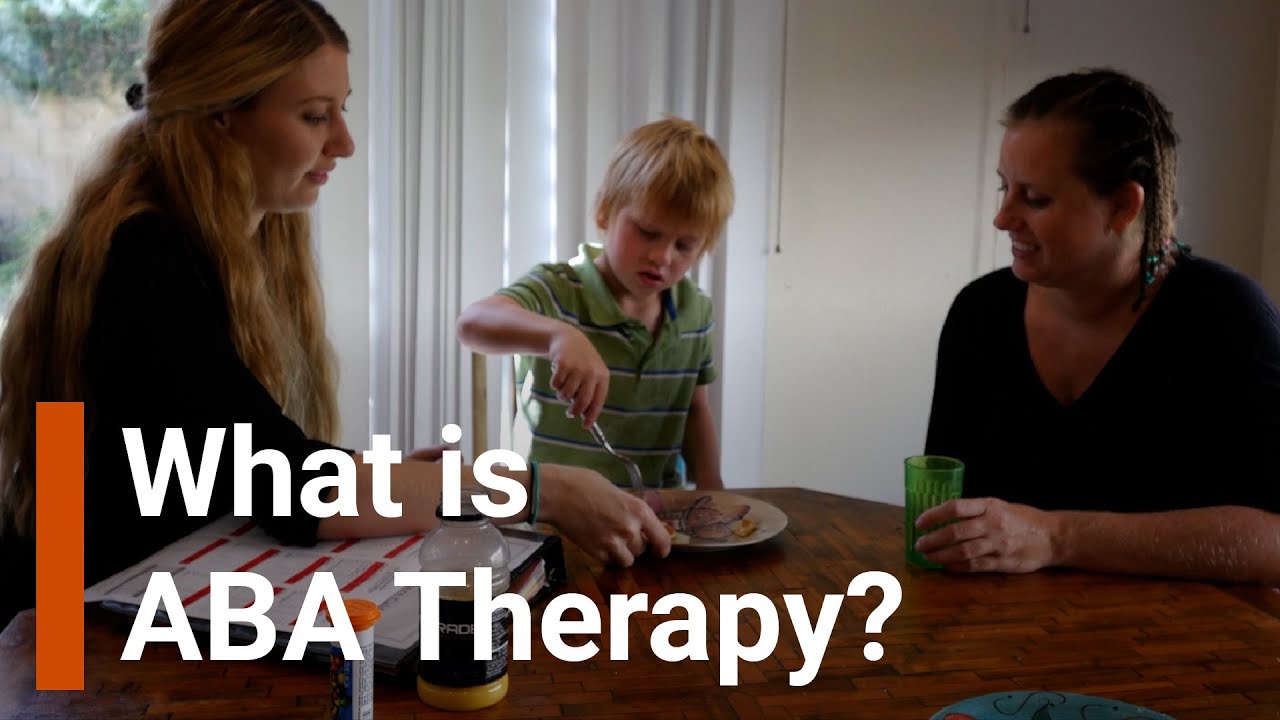
Seeing your child make progress and gain confidence is incredibly rewarding. Let’s explore some of the positive changes parents report after starting ABA and the valuable lessons they’ve learned along the way.
Uplifting Feedback from Parents After ABA Progress
Parents often express immense gratitude and relief when describing the progress their child has made with ABA therapy. One parent shared, “Seeing my child change from being alone to having friends is a special and touching experience.” This kind of feedback highlights how ABA helps children build meaningful connections.
Another common theme is the sense of peace that returns to the household. The Carter family, for example, found hope after ABA helped their son Adam learn to manage his tantrums. The reduction in meltdowns brought emotional comfort to the whole family, demonstrating the therapy’s impact on everyone.
These stories showcase the best outcomes of ABA. Parents report seeing good progress in their child’s independence, communication, and emotional regulation. This journey builds resilience not just in the child but in the entire family, creating a stronger, more hopeful future.
Lessons Learned and Words of Encouragement to Others
Families who have been through the ABA journey often have valuable lessons learned to share. One of the biggest pieces of encouragement is to celebrate every small victory. A parent noted, “The ways we celebrate our child’s milestones, no matter how small, show them they’re capable.” This focus on positive reinforcement is key.
Another lesson is the importance of consistency. When parents and therapists work together to apply the same strategies at home and in sessions, children learn faster and their progress is more stable. Teamwork truly makes the dream work.
Based on these real-life success stories, here are a few words of encouragement:
- Trust the process and be patient; progress happens in simple steps.
- Stay involved and collaborate closely with your therapy team.
- Remember that every success story starts with taking that first step.
Measuring Progress and Positive Outcomes in ABA Therapy
A key feature of ABA therapy is its focus on measurable progress. Unlike some other therapies, ABA uses data to track success and guide treatment decisions. During therapy sessions, therapists carefully record information to ensure the interventions are leading to positive outcomes.
This data-driven approach helps everyone see exactly how a child is improving over time. The table below shows some key indicators that therapists and families use to measure progress. We’ll also look at how this tracking happens in practice.
| Performance Indicator | Description |
| Social Skill Improvement | The ability to start or join a conversation, take turns with peers, and participate in group play. |
| Daily Task Independence | Completing self-care tasks like brushing teeth, getting dressed, or helping with simple chores without prompting. |
| Emotional Regulation | A decrease in the frequency or intensity of emotional outbursts and the use of healthy coping strategies to calm down. |
Tracking Success: Therapist Methods and Family Celebrations
Therapists use several methods to track a child’s progress in ABA therapy. The most common is systematic data collection during each session. They use charts and logs to record behaviors, such as how many times a child uses a new word or follows a two-step direction. This information helps them see what’s working and where adjustments are needed.
Another effective tool is the use of token systems. When a child demonstrates a target behavior, they might earn a token. This not only reinforces the behavior but also provides a clear visual representation of their success throughout the session.
These therapist methods go hand-in-hand with family celebrations. When a child reaches a milestone, no matter how small, celebrating it reinforces their hard work. Whether it’s a high-five for trying a new food or a special activity for making a friend, these moments of recognition are crucial for motivating a child and acknowledging their progress.
Conclusion
The inspiring ABA therapy success stories from Maryland families highlight the transformative power of this approach in fostering communication, independence, and resilience. Families have navigated the initial challenges with hope and determination, and the remarkable milestones achieved reflect not just the progress of their children, but also the growth of the entire family unit. By choosing ABA therapy, parents open up pathways for their children to engage more meaningfully with the world around them.
At Admire ABA, we believe every child deserves the chance to thrive. Our team partners with families, educators, and professionals to deliver evidence-based personalized ABA therapy in Maryland that fosters communication, independence, and resilience. Whether you’re just beginning your journey or seeking new strategies, we’re here to guide you with compassion and expertise.
Discover how we can help unlock your child’s potential. Contact us today!
Frequently Asked Questions
What milestones have Maryland families celebrated through ABA therapy?
Maryland families have celebrated many milestones through ABA therapy, including hearing their child’s first words, watching them make their first friend, and seeing them master new skills like dressing themselves. These achievements in communication skills and social skills are often encouraged through consistent positive reinforcement, leading to greater independence.
How soon can families expect to see results with ABA?
The timeline for results with ABA therapy varies for each child. However, with early intervention and consistent sessions, many families begin to see good progress and positive outcomes within a few months. Behavior analysts work with you to set realistic expectations and track every step of your child’s journey.
Does ABA therapy benefit both younger children and teens with autism?
Yes, ABA therapy is beneficial for individuals with autism spectrum disorder at any age. While younger children often focus on foundational skills, the therapy helps teens develop more complex adaptive skills for daily life, such as managing schedules and navigating social situations, preparing them for greater independence.
SOURCES:
BOARD CERTIFIED BEHAVIOR ANALYST
https://www.psychiatry.org/patients-families/autism/what-is-autism-spectrum-disorder
https://my.clevelandclinic.org/health/articles/autism
https://www.cdc.gov/ncbddd/actearly/autism/curriculum/documents/early-warning-signs-autism_508.pdf
https://www.sciencedirect.com/science/article/pii/S0883941725000354