
A common misconception about autism is that all children on the spectrum are nonverbal. In reality, autism presents differently for each child. While some children may have limited or delayed speech, many develop language skills and communicate effectively. Others may rely on alternative methods such as sign language, picture exchange systems, or assistive technology to express themselves.
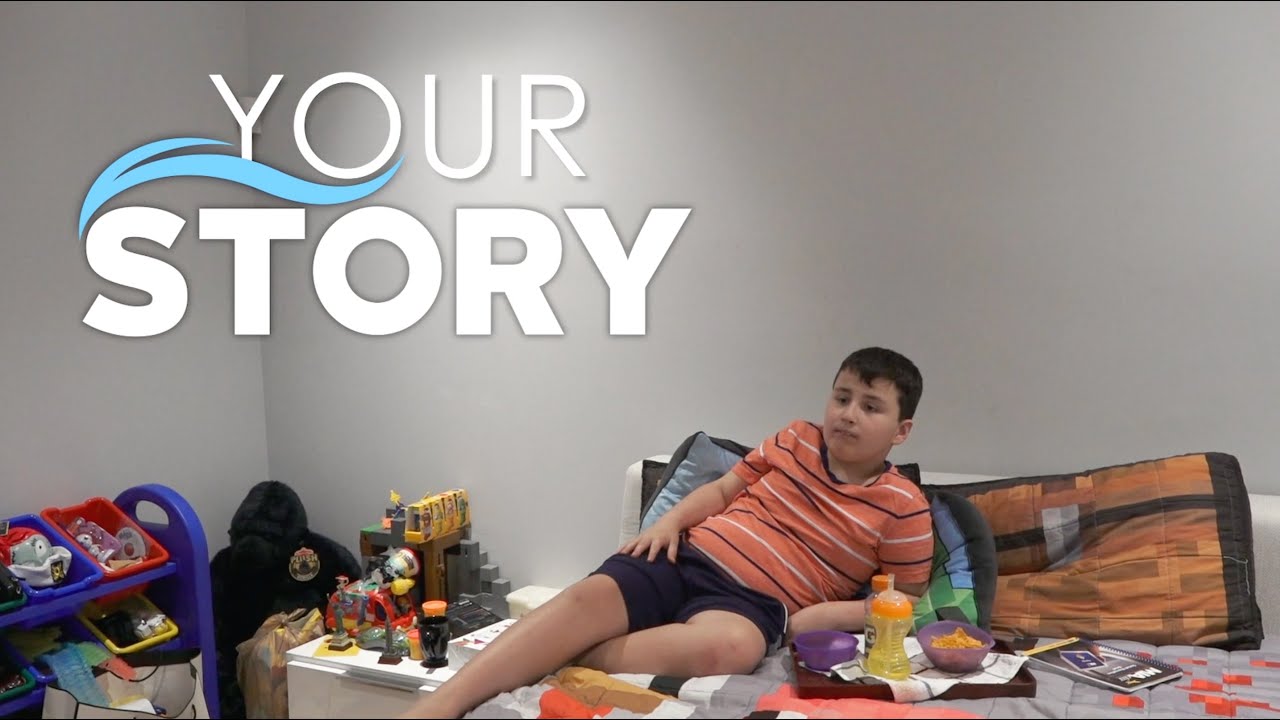
It’s important to understand that being nonverbal does not mean a child cannot communicate. Autistic children often show unique strengths in nonverbal communication, such as gestures, facial expressions, or written language. Early intervention, including Applied Behavior Analysis (ABA) therapy, can play a vital role in supporting language development and building communication skills tailored to each child’s needs.
Parents, educators, and caregivers should focus on recognizing the child’s preferred communication style rather than comparing them to neurotypical milestones. With the right support, many children with autism make significant progress in expressing themselves and connecting with others.
At Admire ABA, we specialize in helping children build communication skills through individualized ABA therapy in Maryland.
Are you seeking guidance on supporting your child’s language development? Contact us today!
SOURCES:
https://www.healthline.com/health/neurotypical
https://www.apa.org/act/resources/fact-sheets/development-10-years
https://pmc.ncbi.nlm.nih.gov/articles/PMC4105265
https://www.nm.org/healthbeat/healthy-tips/nonverbal-autism-what-it-means
When Is a Child Considered Nonverbal?