

Key Highlights
Here’s a quick look at what we’ll cover to clear up common myths about ABA therapy:
- Applied Behavior Analysis (ABA) is a science-backed practice proven to benefit individuals on the autism spectrum.
- Contrary to some beliefs, modern ABA therapy uses positive reinforcement, not punishment, to teach new skills.
- ABA is not a one-size-fits-all solution; each program is customized to the individual’s unique needs and goals.
- This therapy is not just for young children; it effectively supports individuals of all ages with various developmental disabilities.
- Behavior analysts who provide ABA therapy are highly trained and certified professionals, ensuring quality care.
- ABA is an evidence-based therapy, endorsed by major health organizations for its effectiveness in autism treatment.
Introduction
If you’re exploring options for a loved one on the autism spectrum, you’ve likely come across Applied Behavior Analysis, or ABA therapy. It’s widely recognized as a beneficial treatment, yet it’s surrounded by a lot of misinformation. These common misconceptions can create confusion and prevent families from seeking valuable support. This article aims to clear the air by addressing the most persistent myths about ABA therapy, providing you with factual information to help you make informed decisions for your family.
Understanding ABA Therapy in the United States
Applied Behavior Analysis (ABA) is a scientific approach to understanding behavior. In the field of ABA, therapists apply these principles to help individuals learn new skills and reduce challenging behaviors. It has become a standard of care for many spectrum disorders.
Over the years, ABA therapy has evolved significantly, incorporating compassionate and individualized strategies. It’s now widely recognized as a leading, evidence-based treatment. We will now look into what makes this therapy unique and the core principles that guide its practice.
What Makes ABA Therapy Unique for Autism and Related Conditions
ABA therapy is often called the “gold standard” for treating Autism Spectrum Disorder, and for good reason. Its uniqueness lies in its data-driven and highly individualized approach. Unlike some therapies that follow a rigid protocol, ABA focuses on understanding the function behind a behavior to create meaningful change.
For autistic children, this means therapists identify specific goals, such as improving communication or social skills, and break them down into manageable steps. The goal is to teach a desired behavior systematically. For example, in our sessions, we might work on teaching a child to ask for a toy instead of grabbing it, using their preferred method of communication.
This focus on practical, real-world skills is what sets ABA apart. The therapy is tailored to fit into a child’s life, helping them navigate their environment more effectively. It’s not about changing who the child is but about empowering them with tools to succeed.
Key Principles of Applied Behavior Analysis in Practice
At the heart of Applied Behavior Analysis is the concept of reinforcement. This is the core principle that drives learning and behavior change. Simply put, when a behavior is followed by something rewarding, it is more likely to happen again in the future.
Modern behavior analysis primarily uses positive reinforcement. This means rewarding desired behaviors to increase their frequency. This isn’t bribery; it’s a systematic way to teach and motivate. For instance, we’ve seen a child who struggles with completing homework become more engaged when they earn a few minutes of playtime with a favorite toy afterward. The key principles we apply include:
- Positive Reinforcement: Adding something desirable (like praise or a preferred activity) after a behavior to encourage it.
- Data Collection: Continuously tracking progress to ensure the strategies are effective and making adjustments as needed.
- Skill Generalization: Helping the individual use their new skills in different settings and with different people.
These principles ensure that behavior analysis is a structured, effective, and positive experience. The focus is always on building new skills and improving quality of life.
Myth 1: ABA Therapy Is Only for Children with Autism
One of the most persistent common myths is that ABA therapy is exclusively for young children on the autism spectrum. While it’s widely known for its success in early intervention for autism, its principles are far more broadly applicable.
The techniques used in ABA can help individuals with various needs and at different life stages. Let’s explore how ABA supports a wide range of people and look at real-life examples of its success beyond early childhood.
How ABA Supports Individuals of All Ages
The principles of Applied Behavior Analysis are not limited to a specific diagnosis or age. ABA therapy is effectively used to support individuals with various developmental disabilities and challenges across all age groups. The strategies are adapted to be age-appropriate and relevant to the person’s life.
For teenagers, ABA can focus on complex social skills, vocational training, and independent living skills like managing money or using public transportation. In our work with adults with spectrum disorders, we often focus on workplace skills, relationship building, and self-advocacy to enhance their autonomy and quality of life.
The flexibility of ABA allows it to be beneficial for:
- Toddlers and young children: Building foundational communication and social skills.
- School-aged children: Improving academic performance and peer interactions.
- Teenagers and adults: Developing vocational skills, independence, and navigating complex social environments.
Real-Life Stories: Success Beyond Childhood
The benefits of ABA therapy extend well into the teenage and adult years. We have seen firsthand how behavior analysis can transform lives long after early intervention. One powerful example is a young adult we worked with who struggled with social anxiety, making job interviews seem impossible.
Through targeted ABA therapy, he learned and practiced specific social skills for a professional setting, from making eye contact to answering common interview questions. The therapist used role-playing and positive reinforcement to build his confidence. Within a few months, he successfully interviewed for and secured a part-time job, a significant step toward his goal of independence.
This is just one story, but it highlights a crucial point: ABA provides practical tools that improve an individual’s quality of life at any age. The focus on functional skills helps people achieve personal goals, whether that’s making a friend, living independently, or succeeding in a career.
Myth 2: ABA Therapy Relies on Punishment or Control
A significant common misconception about ABA therapy is that it uses punishment or aversive methods to control behavior. This idea is largely based on outdated practices from decades ago. Modern ABA has evolved dramatically and is now centered on a compassionate, positive approach.
Today’s ABA therapy focuses on understanding why a behavior occurs and teaching a more appropriate replacement skill. The emphasis is on positive reinforcement and building a strong, trusting relationship between the therapist and the individual.
Focus on Positive Reinforcement and Skill Building
Modern ABA therapy is fundamentally built on the principle of positive reinforcement. The primary goal is not to stop behaviors but to teach and encourage new, more effective ones. When an individual learns and uses a new skill, they are rewarded with something meaningful to them, which increases the likelihood they will use that skill again.
For example, if a child is screaming to get a toy, an ABA therapist would teach them to ask for it using words, signs, or a communication device. When they ask appropriately, they immediately get the toy. This positive experience teaches them that communication is a more effective strategy than screaming. This approach helps build appropriate behaviors naturally.
We focus on skill building by:
- Breaking down complex skills into small, achievable steps.
- Providing lots of opportunities for successful practice.
- Using reinforcement that is motivating for the individual.
- Fading prompts and support as the person becomes more independent.
Compassionate Approaches Used in Modern ABA Sessions
The landscape of modern ABA therapy is defined by compassion and client-centered care. Behavior analysts today are trained to build rapport and create a safe, supportive environment where individuals feel respected and understood. This compassionate therapy approach is essential for a successful ABA program.
In our sessions, we prioritize the child’s comfort and assent. This means we pay close attention to their cues and never force them to participate in an activity. If a child shows signs of distress, we pause, reassess, and adjust our approach. The goal is to make learning a positive and engaging experience, not a stressful one.
Therapists work collaboratively with the individual and their family to set goals that are meaningful to them. This ensures the ABA program is aligned with their values and enhances their life in ways they choose. It’s a partnership built on trust, respect, and a shared commitment to progress.
Myth 3: ABA Therapy Ignores Emotional or Individual Needs
Another one of the common myths is that ABA therapy is robotic and overlooks a child’s feelings or unique personality. Some people worry that it aims to create conformity rather than celebrate individuality. This could not be further from the truth of contemporary ABA practice.
A quality ABA program is built around the individual’s specific strengths, challenges, and preferences. Acknowledging emotional needs and setting personalized individual goals are fundamental to the process. We’ll now discuss how plans are tailored and how emotional wellbeing is integrated into treatment.
Personalized Plans That Respect Each Child’s Uniqueness
Successful ABA therapy is anything but one-size-fits-all. The first step in any ABA program is a thorough assessment to understand the child’s unique skills, interests, and challenges. This information is used to create a highly personalized treatment plan with individual goals that are meaningful to the child and their family.
We believe that therapy should fit into a child’s life, not the other way around. If a child loves dinosaurs, we’ll use dinosaurs in our sessions to teach counting or colors. If another child is motivated by music, we’ll incorporate songs to help them learn new social skills. This respect for individuality makes therapy more engaging and effective.
Personalized plans are designed to:
- Build on strengths: We identify what the child is good at and use those skills to help them learn new things.
- Respect preferences: The child’s interests guide the activities and rewards used in therapy.
- Focus on meaningful goals: We work with families to target skills that will make a real difference in their daily lives.
Integrating Emotional Wellbeing in ABA Treatment
A common concern is that ABA therapy doesn’t address emotional wellbeing. However, a modern, compassionate ABA program absolutely does. Behavior analysts understand that emotions and behavior are deeply connected. A child who is anxious or frustrated is not in a good position to learn.
In practice, this means teaching individuals to recognize and express their emotions in healthy ways. For example, we might use pictures of faces to help a non-verbal child point to how they are feeling. We can also teach coping strategies, like asking for a break or using a calming sensory tool when they feel overwhelmed. In our sessions, providing this kind of emotional support is a top priority.
By addressing emotional needs, ABA therapy helps improve an individual’s overall quality of life. The goal is not to suppress emotions but to give individuals the tools to manage them effectively, leading to greater resilience and happiness in the child’s life.
Myth 4: All ABA Programs Are the Same
It’s a mistake to think that every ABA program is identical. The quality and approach of an ABA program can vary significantly depending on the provider, the behavior analysts involved, and the philosophy of the organization.
A well-designed ABA program is highly customized to meet the individual goals of each person. The effectiveness of the therapy depends on this level of personalization and the collaboration between everyone involved. Let’s look at how customization and teamwork play a crucial role.
Customizing ABA Therapy for Individual Growth Goals
Customization is the cornerstone of effective ABA therapy. Before therapy begins, a Board-Certified Behavior Analyst (BCBA) conducts a detailed assessment to understand the individual’s unique needs, strengths, and goals. This isn’t a generic checklist; it’s a deep dive into what skills will most significantly improve that person’s quality of life.
Based on this assessment, an individualized treatment plan is created. For one child, the goal might be functional learning, like learning to tie their shoes. For another, it might be improving conversational skills with peers. The strategies and activities used in ABA therapy are then tailored to these specific individual goals.
This level of customization ensures that therapy is always relevant and meaningful. Key aspects of this process include:
- Initial Assessment: Identifying specific skills to target for development.
- Goal Setting: Collaborating with the family to prioritize goals that matter most to them.
- Ongoing Adjustments: Continuously monitoring progress and modifying the plan as the individual learns and grows.
Collaboration Between Families, Therapists, and Educators
Effective ABA therapy is not something that happens in isolation. It is a collaborative effort between therapists, families, and educators. This partnership is essential for ensuring that the skills learned in therapy sessions are carried over into the person’s everyday life at home, school, and in the community.
We work closely with parents to train them on the strategies we use in our sessions. This empowers families to support their child’s progress consistently. For example, if we are working on teaching a child to wait their turn, we will share simple techniques for parents to practice during family game night.
This collaboration extends to schools as well. Therapists often communicate with educators to ensure that everyone is on the same page and using consistent approaches. When families, therapists, and teachers work together as a team, the individual has the best possible chance of success.
Myth 5: ABA Therapy Is Outdated or Not Evidence-Based
Some people believe that ABA therapy is an old-fashioned method that is no longer supported by modern science. This myth may stem from the fact that its foundational principles have been around for about 50 years.
However, ABA is anything but outdated. It is a dynamic field that has evolved continuously with ongoing scientific research. ABA is now widely recognized as an evidence-based therapy, endorsed by numerous reputable organizations as a leading treatment for autism.
Scientific Research Supporting ABA Effectiveness
Applied Behavior Analysis is one of the most well-researched interventions for autism. Decades of scientific research have demonstrated its effectiveness in teaching new skills and reducing challenging behaviors. This robust body of evidence is why ABA is considered an evidence-based practice.
Leading health and professional organizations endorse ABA because of this extensive research. Their recommendations are based on systematic reviews of the scientific literature, which consistently find that ABA leads to positive outcomes. The National Standards Project and the National Professional Development Center, for example, have identified ABA as a treatment with established evidence.
This strong scientific backing gives families confidence that they are choosing an effective therapy.
| Endorsing Organization | Stance on ABA Therapy |
| U.S. Surgeon General | Endorses ABA as an effective treatment for autism. |
| American Psychological Association | Affirms ABA as a scientifically supported discipline. |
| American Psychiatric Association | Recognizes ABA as a standard of care for developmental disabilities. |
Case Studies from Recent U.S. Clinical Practice
The scientific support for ABA therapy is consistently validated in real-world clinical practice. We see the positive impact of this effective therapy every day in our work with individuals and families across the United States.
Consider a recent case study from our practice: a 7-year-old girl with limited verbal skills who experienced intense frustration when she couldn’t communicate her needs. Our team implemented an ABA plan focused on teaching her to use a tablet-based communication app. We started by reinforcing any attempt to touch the device and gradually shaped her ability to select icons to make requests.
Within six months, she was independently using the app to ask for food, toys, and breaks. Her tantrums decreased dramatically, and her parents reported she was a much happier child. These kinds of case studies are common in modern ABA and demonstrate how evidence-based strategies lead to life-changing outcomes.
Myth 6: ABA Therapy Is Delivered by Unqualified Professionals
There’s a concerning myth that anyone can provide ABA therapy without proper training or credentials. This is simply not true. Providing effective ABA therapy requires extensive education, rigorous training, and professional certification.
The field is regulated by strict standards to ensure that individuals receive high-quality care from qualified practitioners. The behavior analysts who design and oversee ABA programs are held to a high professional and ethical standard.
Training and Certification Standards for ABA Providers
Professionals who provide ABA therapy must meet stringent requirements. The field is governed by the Behavior Analyst Certification Board (BACB), which sets the professional standards for practice worldwide. This ensures that practitioners are knowledgeable, skilled, and ethical.
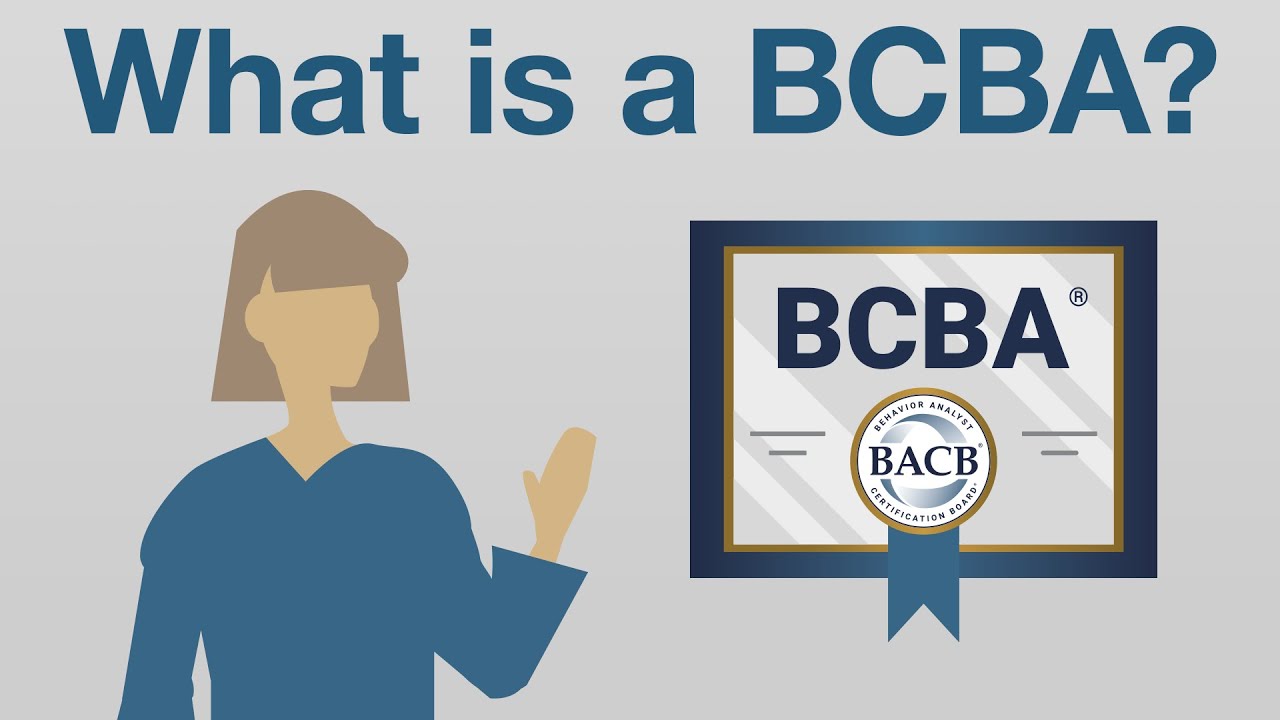
The lead practitioners are Board-Certified Behavior Analysts (BCBAs). To become certified, they must earn a master’s degree or Ph.D. in a relevant field, complete hundreds of hours of supervised fieldwork, and pass a rigorous certification exam. They are the ones who assess needs, design treatment plans, and supervise the therapy team.
Other team members, like Registered Behavior Technicians (RBTs), also undergo specific training and must pass an exam. They work directly with individuals to implement the plans designed by the BCBA. Key requirements include:
- Advanced Education: BCBAs must hold a graduate-level degree.
- Supervised Experience: A significant amount of hands-on, supervised training is mandatory.
- Certification Exams: Both BCBAs and RBTs must pass competency-based exams.
The Importance of Professional Oversight and Ethics
Professional oversight and a strong code of ethics are critical components of ABA therapy. Certified behavior analysts are bound by a strict ethical code that prioritizes the client’s welfare, safety, and right to effective treatment. This code governs all aspects of their practice, from assessment to intervention.
This ethical framework ensures that therapists act in the best interest of the individual at all times. It requires them to use only evidence-based procedures, maintain confidentiality, and engage in ongoing professional development to stay current with the latest research. Professional oversight means that a BCBA is always supervising the therapy to ensure it is being implemented correctly and effectively.
When you choose a provider with certified professionals, you can be confident that they are committed to the highest standards of care. This commitment to ethics is fundamental to building trust and ensuring a positive therapeutic experience for every family we serve.
Conclusion
Understanding and addressing the misconceptions surrounding ABA therapy is crucial for families and professionals alike. This evidence-based approach is not only beneficial for children but also supports individuals of all ages, focusing on positive reinforcement and personalized care. Real-life stories demonstrate its effectiveness, proving that ABA adapts to unique needs rather than applying a one-size-fits-all method. As we continue to educate ourselves and dispel myths about this valuable therapy, we can foster a more supportive environment for individuals with autism and related conditions.
At Admire ABA, we provide evidence‑based ABA therapy in Maryland, family‑centered care designed to meet each individual’s unique needs. Whether you’re seeking clarity, guidance, or a long‑term partner in your autism journey, our team is here to help.
Discover how we can create meaningful, lasting progress. Contact us today!
Frequently Asked Questions
Can ABA Therapy Benefit Teenagers and Adults?
Yes, absolutely. ABA therapy is an effective therapy for all age groups. For teenagers and adults with spectrum disorders, it can focus on advanced social skills, vocational training, and independent living. The principles are adapted to be age-appropriate and address the unique goals of each individual, making it a valuable autism treatment at any stage of life.
Does ABA Therapy Change a Child’s Personality?
No, the goal of ABA therapy is not to change a child’s personality but to empower them with skills. It focuses on teaching communication, social, and daily living abilities to improve their quality of life. An ABA program respects a child’s uniqueness, and individual goals are set to enhance their strengths and support their emotional wellbeing.
How Is ABA Therapy Personalized for Each Family in the U.S.?
Successful ABA therapy begins with a thorough assessment to understand an individual’s specific needs and a family’s priorities. This customization allows therapists to create a plan with individual goals that are meaningful for that person’s everyday life. The strategies and rewards are tailored to the person’s interests, ensuring the therapy is engaging and effective.
SOURCES:
- https://my.clevelandclinic.org/health/articles/board-certified-behavior-analyst-bcba
- https://www.psychology.org/resources/bcba-meaning-career-overview
- https://onlinecounselingprograms.com/mental-health-careers/how-to-become-behavior-analyst-bcba
- https://www.online.uc.edu/blog/how-to-become-a-board-certified-behavior-analyst-bcba.html
- https://www.bacb.com/