
Introduction
If your child was recently flagged for an autism evaluation, or you have noticed differences in how they communicate, play, or respond to the world, you probably have one question first: What is autism, really?
You will find a lot of conflicting information online. Some of it is outdated, and some of it is built on fear rather than facts. This guide keeps it simple and accurate. We will walk through what autism is, what causes it, the signs to look for, how a diagnosis works, and how the right support helps children thrive.
What Is Autism Spectrum Disorder?
Autism, formally called Autism Spectrum Disorder (ASD), is a neurodevelopmental condition. That means it affects how the brain develops and processes information, particularly around communication, social interaction, and behavior.
Autism is not an illness or a disease. It is not something a child “catches,” and it is not the result of bad parenting. It is a different way of experiencing and interacting with the world, present from early development and lasting across a person’s life.
Two core areas tend to define an autism diagnosis:
- Social communication and interaction. This can include differences in eye contact, reading body language, holding back-and-forth conversations, understanding tone or sarcasm, or building friendships.
- Restricted or repetitive behaviors and interests. This can include repetitive movements (often called stimming), strong routines, intense focus on specific topics, and heightened or reduced sensitivity to sounds, lights, textures, or other sensory input.
Every autistic person shows these traits differently, which is exactly why the word “spectrum” matters so much.
Why “Spectrum” Is the Most Important Word
There is a well-known saying in the autism community: if you have met one autistic person, you have met one autistic person.
The spectrum is not a straight line from “mild” to “severe.” It is more like a range of strengths and challenges that look different in every individual. One child might speak in full sentences but struggle with loud environments and sudden changes. Another might use few or no spoken words but communicate beautifully through a device, pictures, or gestures. Both are autistic.
Clinicians describe autism in terms of three support levels, based on how much help a person needs in daily life:
- Level 1: requiring support
- Level 2: requiring substantial support
- Level 3: requiring very substantial support
These levels are a snapshot, not a ceiling. With the right environment and intervention, a child’s support needs can shift over time. We have seen children who needed significant help with communication early on go on to make requests, follow routines, and connect with peers in ways their families were told might not happen.
What Causes Autism?
This is one of the most searched and most misunderstood questions about autism. Here is what the research actually supports.
Autism is caused by a combination of genetic and environmental factors that influence early brain development. Genetics plays a large role, which is why autism often runs in families. Certain factors during pregnancy, such as parental age or specific prenatal conditions, may also contribute to the likelihood.
Just as important is what does not cause autism. Decades of large-scale research have firmly established that vaccines do not cause autism. Autism is also not caused by parenting style, screen time, diet, or anything a parent did or did not do. If you are carrying guilt about this, you can set it down. It does not belong to you.
It is worth knowing that autism is being identified more often than in the past. According to the CDC, about 1 in 31 children has been identified with autism spectrum disorder, up from 1 in 36 just a few years earlier. Much of that rise reflects better awareness, broader diagnostic criteria, and earlier screening, which means more children are getting help sooner.
Common Signs of Autism
Autism can often be identified by age 2, and sometimes earlier. Signs vary widely, but the following are common areas parents and caregivers tend to notice first.
Social and communication signs:
- Limited or inconsistent eye contact
- Not responding to their name for 12 months
- Delayed speech or loss of words they previously used
- Difficulty starting or holding conversations
- Trouble understanding others’ feelings or expressing their own
- Preferring to play alone
Behavioral and sensory signs:
- Repetitive movements such as rocking, hand-flapping, or spinning
- Lining up toys or playing with them in a fixed, specific way
- Strong need for routine and distress when routines change
- Intense, focused interests in particular topics or objects
- Strong reactions to sounds, lights, textures, tastes, or smells
A child does not need to show every sign to be autistic, and showing a few signs does not automatically mean a child is autistic. These are flags that a professional evaluation is worth pursuing, not a diagnosis on their own.
In our sessions, we often meet families who spent months wondering whether what they were seeing was “just a phase.” More often than not, trusting that early instinct and asking for an evaluation is what opens the door to support that genuinely changes a child’s trajectory.
How Autism Is Diagnosed
There is no blood test or brain scan that diagnoses autism. A diagnosis comes from observing a child’s development, communication, and behavior over time. It usually happens in two stages.
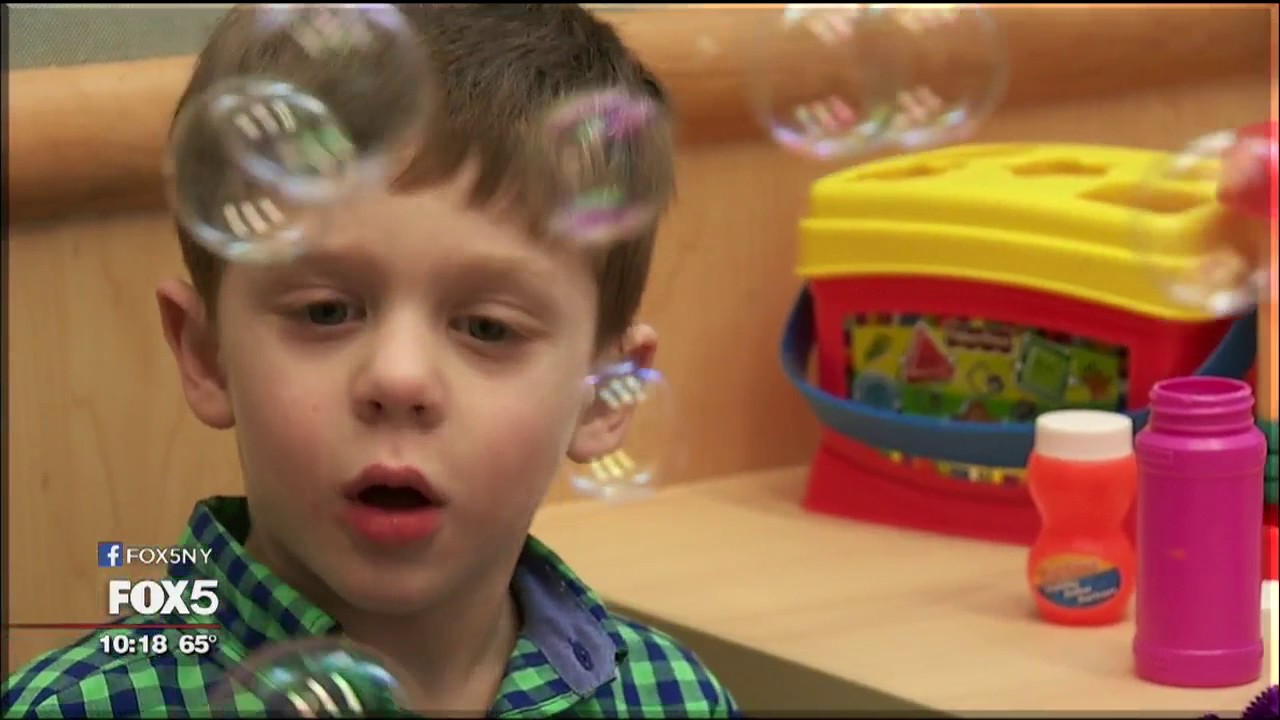
- Developmental screening. Pediatricians screen for developmental differences at routine well-child visits, often around 18 and 24 months. If something stands out, the child is referred for a deeper evaluation.
- Comprehensive evaluation. A specialist, such as a developmental pediatrician, child psychologist, or neurologist, conducts a detailed assessment. This may include structured observation, developmental history from parents, and standardized tools designed to assess autism. The goal is a clear picture of the child’s strengths, challenges, and support needs.
If your child is on a waitlist for an evaluation, you do not have to wait passively. Early signs are enough to begin support and to start learning strategies that help at home. The diagnosis confirms a path. It does not have to be the starting gun.
How ABA Therapy Supports Children With Autism
Once a child is diagnosed, the next question is usually: What now? One of the most widely used and well-researched approaches is Applied Behavior Analysis, or ABA therapy.
ABA focuses on building meaningful skills and reducing barriers that get in the way of a child’s daily life. Rather than trying to change who a child is, good ABA helps a child communicate their needs, build independence, and engage with the people and world around them. Programs are individualized because a goal that matters for one child may not matter at all for another.
Support often centers on areas like:
- Communication, including spoken language, devices, or picture systems
- Daily living skills, such as dressing, eating, toileting, and routines
- Social skills, like taking turns, sharing, and playing with peers
- Emotional regulation, to help a child manage big feelings and transitions
- Reducing challenging behaviors by understanding what need a behavior is meeting and teaching a better way to meet it
The setting matters too. Early intervention ABA takes advantage of how rapidly young brains develop, which is why starting sooner often leads to stronger gains. In-home therapy lets a child learn skills in the place they actually live, while daycare-based support helps them practice in a group setting alongside peers. And because parents and caregivers are with a child far more than any therapist, parent training is one of the most powerful pieces of all. When families learn the same strategies, progress made in a session carries into dinnertime, bedtime, and the grocery store.
In our experience, the families who see the steadiest progress are not the ones with the “easiest” cases. They are the ones who are consistent, who feel supported, and who treat therapy as a partnership rather than a drop-off service.
Supporting an Autistic Child at Home and School
Therapy is one piece. The everyday environment is another. A few principles tend to help across the board, whether you are a parent, a caregiver, or an educator.
- Build predictable routines. Visual schedules and clear expectations reduce anxiety and help a child feel safe.
- Honor sensory needs. Noise-reducing headphones, quiet spaces, or movement breaks are accommodations, not indulgences.
- Presume competence. A child who cannot speak still understands far more than they can express. Talk with them, not around them.
- Celebrate strengths. Deep focus, honesty, attention to detail, and pattern recognition are real assets. Build on them.
- Communicate across settings. When home, school, and therapy teams share the same goals and language, a child does not have to relearn skills in every environment.
For families deciding how to coordinate care, it helps to know that autism services and supports can vary by state and even by county, which affects everything from diagnostic wait times to which therapies are covered. Families across Maryland, weighing their options, will want to confirm local availability and insurance coverage as part of that decision.
Conclusion
So, what is autism? It is a lifelong neurodevelopmental difference that shapes how a person communicates, interacts, and experiences the world. It exists on a wide spectrum, it is caused by a mix of genetic and environmental factors, and it has nothing to do with vaccines or parenting.
The most important takeaways: trust early signs, pursue a professional evaluation, and remember that a diagnosis is a doorway to support, not a label that limits a child. With early intervention, individualized therapy, and a strong partnership between families, schools, and professionals, autistic children build communication, confidence, and independence. Understanding autism is the first step. Acting on that understanding is what changes lives.
Get Support From Admire ABA
Admire ABA is here to help families across Baltimore, Columbia, and Silver Spring and the surrounding Maryland communities. Our team offers early intervention, in-home ABA, parent training, and diagnostic support tailored to your child’s needs.
Contact us today to schedule a consultation and take the first step toward the right support for your family.
Frequently Asked Questions
At what age can autism be diagnosed?
Autism can often be reliably diagnosed by age 2, and signs may appear even earlier. Pediatricians typically screen for developmental differences at 18 and 24-month checkups. If you notice early signs before then, you do not have to wait. Sharing your concerns with your pediatrician can start the evaluation process sooner and open the door to early support.
Can a child with autism live a normal, independent life?
Yes. Autism is a spectrum, and outcomes vary, but many autistic people go on to build relationships, hold jobs, and live independently. Early intervention and individualized support make a meaningful difference in helping a child develop communication, daily living, and social skills. The goal is not to make a child less autistic. It is to help them thrive as who they are.
What is the difference between autism and ABA therapy?
Autism is the neurodevelopmental condition itself. ABA therapy, or Applied Behavior Analysis, is one of the most researched approaches used to support autistic children. ABA helps children build communication, social, and daily living skills and reduce barriers that interfere with everyday life. In short, autism is the diagnosis, and ABA is one of the tools used to provide support.
SOURCES:
- https://www.mayoclinic.org/diseases-conditions/autism-spectrum-disorder/symptoms-causes/syc-20352928
- https://www.psychiatry.org/patients-families/autism/what-is-autism-spectrum-disorder
- https://www.cdc.gov/autism/about/index.html
- https://www.who.int/news-room/fact-sheets/detail/autism-spectrum-disorders
- https://pmc.ncbi.nlm.nih.gov/articles/PMC7082249/