

Key Highlights
- Applied Behavior Analysis (ABA) is an evidence-based practice designed to achieve meaningful behavior change.
- Core ABA strategies like positive reinforcement work by rewarding desired behaviors to encourage their repetition.
- Key ABA therapy techniques include Discrete Trial Training (DTT) and Natural Environment Teaching (NET) to help build new skills.
- This therapy is highly effective for individuals with autism spectrum disorder, improving communication and social skills.
- Successful intervention involves tailoring ABA techniques to individual needs through collaboration between therapists, families, and caregivers.
- The main goal of these intervention methods is to promote positive behavior change and enhance the overall quality of life.
Introduction
Welcome to the world of Applied Behavior Analysis (ABA), a scientific approach focused on creating meaningful and positive changes in behavior. As a trusted, evidence-based practice, ABA therapy serves as a cornerstone for effective intervention strategies, particularly for individuals with autism spectrum disorder. By using the principles of behavior analysis, therapists develop personalized programs to improve socially significant behaviors, like communication and social skills. This guide will explore the essential ABA therapy techniques that create the foundation for effective and individualized support.
Principles of ABA Therapy for Effective Intervention
Applied Behavior Analysis (ABA) therapy is built upon a solid foundation of psychological principles. Its systematic, data-driven approach is designed to understand how behavior works and apply that knowledge to real-world situations for an effective behavioral intervention. The primary goal is to increase helpful behaviors while decreasing those that are harmful or interfere with learning.
By focusing on the core principles of ABA therapy, therapists can help individuals learn important new skills and achieve a desired behavior. These foundational concepts are vital for creating successful support plans. The following sections will look into the key ideas behind ABA and its important role.
Understanding Applied Behavior Analysis
At its core, Applied Behavior Analysis is a scientific method for understanding and improving behavior. It is a well-researched, evidence-based practice that is highly effective in helping individuals develop essential life skills. The main goal of ABA is to bring about meaningful and positive change by applying the principles of behavior analysis. This approach differs from other interventions by focusing on observable behaviors and using data to guide treatment decisions.
A trained behavior analyst uses behavior modification techniques to increase behaviors that are helpful and decrease those that interfere with learning and independence. Each ABA therapy program is designed to be personalized, targeting specific goals for the individual, which makes it a highly customized form of support. Unlike some therapies that focus on internal states, ABA concentrates on how environmental factors influence behavior.
Ultimately, ABA principles are used to create a structured and supportive environment where individuals can thrive. By breaking down skills into manageable parts and consistently reinforcing progress, ABA therapy helps people achieve their full potential and improve their overall quality of life.
Core Objectives in Behavioral Intervention
The central purpose of a behavioral intervention is to produce positive behavior change. In ABA therapy, this means identifying specific goals that will help an individual become more independent and successful in their daily life. The objectives are not just about reducing challenging behaviors but also about building a broad range of functional skills.
ABA therapy techniques are used to teach a desired behavior in a clear and systematic way. A behavior analyst will work with you and your child to set meaningful objectives that are tailored to your child’s unique needs and strengths. The focus is always on creating lasting change that improves an individual’s ability to interact with their world.
Some of the most common core objectives include:
- Improving communication and language skills
- Developing social skills and peer interactions
- Increasing daily living skills, like hygiene and chores
- Reducing behaviors that interfere with learning
The Importance of Evidence-Based Practice
One of the most significant aspects of ABA therapy is that it is an evidence-based practice. This means it is supported by decades of scientific research. Major health organizations, including the US Surgeon General and the American Psychological Association, recognize ABA as a scientifically validated treatment for individuals with autism and other developmental disorders. This strong backing distinguishes it from other behavioral interventions that may lack rigorous scientific support.
Numerous studies have demonstrated the effectiveness of ABA therapy. A comprehensive analysis of research on ABA interventions for children with ASD confirmed that these programs are highly effective, leading to significant benefits in intellectual abilities, communication skills, and language development.
This commitment to evidence-based practice ensures that the techniques used are not based on guesswork but on proven principles of behavior analysis. The long-term, comprehensive nature of ABA-based interventions has been shown to positively affect intellectual functioning, daily living skills, and social abilities, making it a reliable choice for families.
Common ABA Therapy Techniques for Behavioral Change
To promote lasting and positive behavior change, ABA therapy utilizes a diverse toolbox of techniques. These core methods are the building blocks of any effective behavior modification program, designed to teach new skills and reduce behaviors that get in the way of progress. They are flexible and can be adapted to fit the unique learning style of each individual.
From highly structured drills to play-based learning, these strategies provide therapists with a range of options for promoting growth. The following sections will provide a closer look at some of the most fundamental and widely used ABA therapy techniques.
Positive Reinforcement Strategies
Positive reinforcement is a cornerstone of ABA therapy and one of its most powerful tools for behavior change. The concept is simple: when a desired behavior is followed by a rewarding consequence, that behavior is more likely to be repeated in the future. This strategy helps create a positive learning environment where individuals are motivated to practice positive behavior and succeed.
For this strategy to be effective, the reward, or reinforcer, must be something the individual truly values. In behavior analysis, this could be praise, a favorite toy, a small snack, or a fun activity. The key is to deliver the reinforcement immediately after the desired behavior occurs to create a strong association between the action and the reward.
Effective positive reinforcement involves several key steps:
- Clearly define the specific action you want to encourage.
- Select reinforcers that are motivating for the individual.
- Deliver the reward as soon as the behavior happens.
- Vary the rewards to keep motivation high.
Discrete Trial Training (DTT) Applications
Discrete Trial Training (DTT) is a structured ABA therapy technique that breaks down complex skills into smaller, more manageable parts. Each individual teaching opportunity is considered a discrete element, or trial, allowing for focused and repetitive practice. This method is especially effective for teaching new skills to individuals who may find less structured environments challenging.
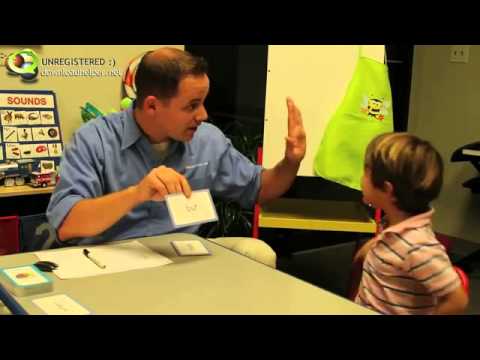
During therapy sessions using DTT, a therapist works one-on-one with an individual. The therapist presents a clear instruction, waits for a response, and provides immediate feedback. For example, a therapist might say, “Touch the red card.” A correct response is followed by reinforcement, like praise or a small reward, which strengthens the learned behavior.
This systematic process helps learners master foundational skills like identifying objects, matching colors, or following simple directions. The structure of DTT simplifies learning and helps build confidence through repeated success, making it a valuable tool in many ABA programs.
Natural Environment Teaching (NET) Methods
In contrast to the structured format of DTT, Natural Environment Teaching (NET) takes learning into the real world. This is one of the ABA techniques that uses everyday situations, activities, and natural settings to teach skills. The goal of NET is to help individuals generalize what they learn in therapy to their everyday life, such as at home, school, or in the community.
With this approach, the therapist uses the individual’s natural motivation and interests to guide the lesson. For example, if a child is playing with blocks, the therapist might use the opportunity to teach colors, counting, or turn-taking during social interactions. This makes learning more engaging and relevant for the child.
By embedding teaching moments into daily routines, NET helps make skills more functional. This approach is excellent for improving social and communication skills in natural settings, as it allows for spontaneous practice and reinforcement in the moment.
Advanced ABA Techniques for Targeted Outcomes
While foundational techniques are essential, ABA therapy also includes a range of advanced ABA techniques to achieve more specific, targeted outcomes. These intervention strategies build upon the core principles of behavior analysis to address complex developmental areas like multi-step tasks, social responsiveness, and functional communication.
These advanced methods provide therapists with a broader toolbox to address the nuanced needs of each individual. The following sections explore some of these powerful ABA techniques that help individuals achieve greater independence and success.
Antecedent-Based Interventions Explained
An antecedent-based intervention is a proactive strategy in ABA therapy that focuses on modifying the environment or circumstances that occur right before a behavior. By identifying and altering these triggers, or antecedents, professionals aim to prevent or reduce challenging behaviors while promoting desired ones. This approach is a key part of effective behavior modification.
Examples of these interventions include changing the physical environment, modifying routines, or providing visual support to enhance understanding and communication. The goal is to set individuals up for success by creating a supportive environment that encourages positive behavior from the start.
By addressing factors that may trigger or contribute to challenging behaviors, an antecedent-based intervention plays a crucial role in behavior analysis. It makes it more likely that individuals will engage in appropriate behaviors and achieve their goals without resorting to challenging actions.
Pivotal Response Training (PRT) Fundamentals
Pivotal Response Training (PRT) is a play-based ABA therapy intervention recommended for many children with autism. It targets “pivotal areas” of a child’s development. Instead of focusing on one specific behavior, PRT aims to improve core skills like motivation, responding to multiple cues, self-management, and initiating social interactions. The idea is that improving these pivotal skills will lead to widespread positive behavior change in many other areas.
PRT is conducted in a naturalistic setting and is largely child-led. The therapist incorporates the child’s interests and choices into learning activities to increase motivation and engagement. For example, if a child wants a toy car, the therapist might prompt them to say “car” before giving it to them, reinforcing language skills in a natural context.
This approach is highly effective for developing social and language skills. By focusing on motivation and self-initiation, PRT empowers individuals to become more active participants in their own learning and social environments.
Task Analysis and Behavior Chaining
Task analysis is an ABA technique used to teach a complex task, such as washing hands or tying shoes. It involves breaking down the activity into smaller, more manageable steps. This process makes learning new skills less overwhelming and sets the individual up for success from the beginning.
Once the task is broken down, behavior chaining is used to teach the sequence. In chaining, each step is taught and mastered one by one. The individual learns to connect, or “chain,” the steps together to form a complete behavior chain, eventually performing the entire routine independently. This is a fundamental part of teaching daily living skills. For example, here is a task analysis for washing hands:
| Step | Action |
| 1 | Turn on the water. |
| 2 | Wet your hands. |
| 3 | Get soap. |
| 4 | Rub your hands together. |
| 5 | Rinse your hands. |
| 6 | Turn off the water. |
| 7 | Dry your hands. |
Communication-Focused ABA Strategies
Improving communication skills is a central goal of ABA therapy. Effective communication is essential for social engagement, expressing needs, and building relationships. ABA offers several powerful strategies that focus specifically on language development and helping individuals express themselves in more functional ways.
These techniques are designed to reduce frustration and challenging behaviors that often stem from an inability to communicate. The following sections will highlight some of the most effective ABA strategies for enhancing communication, from teaching functional requests to using visual tools.
Functional Communication Training (FCT)
Functional Communication Training (FCT) is an essential ABA therapy intervention designed to reduce challenging behaviors by teaching alternative ways to communicate. Many challenging behaviors arise from an inability to express needs, wants, or feelings. FCT addresses this by replacing inappropriate behaviors with effective and appropriate communication skills.
The first step in FCT is to determine the purpose, or function, of the challenging behavior. For example, a child might scream to get a toy. The therapist then teaches the child a more appropriate way to ask for the toy, such as by pointing, using a sign, or saying the word “toy.”
When the child uses the new communication skill, they receive the desired outcome, which reinforces the new behavior. FCT is a powerful tool for improving language skills, as it gives individuals the ability to express themselves, reducing frustration and promoting positive social interactions.
Visual Supports and Video Modeling Approaches
Visual support and video modeling are other highly effective approaches for teaching communication and social skills, especially for individuals who are visual learners. These tools provide clear, concrete information that can be easier to process than spoken words alone.
Video modeling involves showing a video of a person demonstrating a desired behavior, such as greeting someone or taking turns in a game. The individual can then imitate the behavior they saw. Visual supports, on the other hand, use pictures or symbols to communicate information. Both methods are rooted in the principles of behavior analysis and are used to teach a wide variety of skills.
Examples of these approaches include:
- Using a picture schedule to show the steps of a daily routine.
- Watching a video of a child asking a friend to play.
- Using a chart with pictures to help a child choose a snack.
Tailoring ABA Techniques to Individual Needs
A key to success in ABA therapy is that it is not a one-size-fits-all approach. The most effective programs involve customizing interventions to meet the individual needs of each person. A qualified behavior analyst will carefully design a plan that considers a person’s unique strengths, challenges, and goals.
This personalization ensures that the ABA techniques used are as effective as possible. The following sections will explain how professionals assess needs, create custom plans, and collaborate with families to create a truly individualized therapy experience.
Assessing Strengths and Behavioral Goals
The first step in tailoring ABA strategies is a comprehensive strengths assessment. A behavior analyst begins by conducting a Functional Behavior Assessment (FBA) to gain a deep understanding of an individual’s skills, challenges, and the reasons behind specific behaviors. This process involves direct observation, interviews, and data collection.
This assessment is crucial for setting meaningful behavioral goals. Instead of just focusing on deficits, the FBA identifies the individual’s existing strengths and preferences, which can be leveraged during therapy. This ensures that the goals are not only achievable but also relevant to the person’s life.
By understanding the “why” behind a behavior and identifying what motivates an individual, the therapist can design a plan that is both effective and respectful. This data-driven process ensures that the chosen ABA strategies are perfectly matched to the person’s needs, setting the stage for success.
Customization for Children with Autism Spectrum Disorder (ASD)
For children with autism spectrum disorder (ASD) and other developmental disorders, customization is especially important. ABA therapy provides a flexible framework that can be adapted to the wide range of abilities and challenges associated with ASD. A behavior analyst will create a highly individualized plan to ensure the best possible outcomes.
This customization can take many forms. For example, the choice of ABA techniques might be based on whether a child learns better in a structured or a naturalistic setting. The types of reinforcers used are also selected based on the child’s specific interests and motivations.
Customization in ABA therapy for ASD may involve:
- Choosing specific techniques like DTT for foundational skills or PRT for social motivation.
- Adapting the learning environment to accommodate sensory sensitivities.
- Setting goals that align with the family’s priorities and the child’s developmental stage.
Collaboration Between Therapists, Families, and Educators
Success in ABA programs is greatly enhanced by strong collaboration. A team effort between the ABA therapist, family members, and educators is essential for creating a consistent and supportive network for the individual. When everyone works together, progress is amplified, and skills are generalized more effectively across different settings.
Open and regular communication is the foundation of this partnership. An ABA therapist should share progress data and strategies, while parents and teachers can provide valuable insights into how the individual is doing at home and school. This flow of information helps the therapist refine the therapy plan and ensures that intervention is seamless.
This collaborative approach is a key part of tailoring ABA therapy. By ensuring everyone is using the same techniques and reinforcing the same behaviors, you create a unified support system. This not only accelerates progress but also ensures that the individual feels supported and understood by all the important people in their life.
Conclusion
ABA therapy stands as a powerful tool for fostering effective behavioral changes in children with autism. By understanding core principles, employing diverse techniques, and tailoring interventions to individual needs, therapists, families, and educators can collaborate to create meaningful progress. Each child is unique, and customizing approaches, whether through positive reinforcement, communication-focused strategies, or advanced methods, ensures the best possible outcomes. It’s crucial to maintain open lines of communication among all stakeholders involved in a child’s development.
At Admire ABA, we specialize in evidence-based ABA therapy in Maryland that empowers children with autism to thrive. Our dedicated team partners with parents, educators, and professionals to design individualized programs that foster communication, independence, and meaningful behavioral progress.
Let’s work together to build a brighter future for your child. Contact us today!
Frequently Asked Questions
Which ABA technique is best for improving communication skills?
Several ABA therapy techniques are excellent for improving communication skills. Functional Communication Training (FCT) directly teaches individuals to replace challenging behaviors with functional language. Pivotal Response Training (PRT) improves motivation to communicate, while methods like video modeling can demonstrate appropriate social communication in a clear, visual way. The best approach depends on the individual’s needs.
How do professionals adapt ABA strategies for different children?
Professionals adapt ABA strategies by first conducting a thorough functional behavior assessment. A behavior analyst uses this assessment to understand the individual needs, strengths, and motivations of each child. Based on this data, they customize the ABA therapy plan, selecting the most appropriate techniques and goals to ensure the intervention is effective and personalized.
How often should ABA therapy techniques be practiced?
The frequency of ABA therapy depends on individual needs and goals, but consistent practice is crucial for lasting behavior change. Many intensive programs involve multiple therapy sessions per week. However, the most important factor is incorporating strategies into daily routines to reinforce daily living skills and promote generalization outside of formal sessions.
SOURCES:
https://www.appliedbehavioranalysisedu.org/what-is-reinforcement-and-why-is-it-important-in-aba
https://online.regiscollege.edu/blog/aba-therapy-examples
https://pmc.ncbi.nlm.nih.gov/articles/PMC11487924
https://gsep.pepperdine.edu/blog/posts/aba-techniques-strategies-for-behavior-analysts.htm
https://my.clevelandclinic.org/health/treatments/25197-applied-behavior-analysis