
Introduction
When a child receives an autism diagnosis, families are often handed a stack of pamphlets, a list of referrals, and the overwhelming task of choosing a path forward. Within a week, most parents have heard a dozen acronyms: ABA, SLP, OT, DIR, along with conflicting opinions from pediatricians, family members, online forums, and other parents. It’s a lot to absorb during what is already an emotionally loaded moment.
This guide is meant to step back from the noise. Rather than advocate for one approach, it walks through the major evidence-based treatment options available to children on the autism spectrum, explains what each one is actually designed to do, and offers honest context on where each fits. The goal is to help families, educators, and clinicians make informed decisions, not to push a particular service.
What “Evidence-Based” Actually Means
Before comparing therapies, it helps to define the term that gets used (and misused) constantly in autism care. An evidence-based practice is one that has been studied through rigorous, peer-reviewed research, typically randomized controlled trials, meta-analyses, or large longitudinal studies, and has demonstrated measurable, replicable outcomes.
The National Clearinghouse on Autism Evidence and Practice (NCAEP) and similar bodies review this research and publish lists of interventions that meet the bar. Not every popular therapy makes the cut, and being evidence-based doesn’t automatically mean a therapy is right for every child. It means there’s credible data showing it can help under specific conditions, for specific goals.
With that framing, here’s a look at the five most common options families encounter.
Applied Behavior Analysis (ABA)
ABA is the most extensively researched autism intervention, with roots going back to the 1960s and decades of refinement since. Modern ABA focuses on understanding why behaviors happen and using positive reinforcement to build skills, communication, social interaction, self-care, learning readiness, and emotional regulation, while reducing behaviors that interfere with safety or daily life.
A few things worth knowing:
Contemporary ABA looks very different from the rigid, table-based programs of earlier decades. Most quality providers now use naturalistic teaching, follow the child’s lead within structured goals, and prioritize assent-based practices that honor the child’s autonomy. Programs are typically delivered by Registered Behavior Technicians (RBTs) under the supervision of a Board Certified Behavior Analyst (BCBA), and good clinicians individualize every treatment plan rather than applying a one-size-fits-all template.
ABA tends to be most impactful when started early and delivered with sufficient hours, parent involvement, and goals that genuinely reflect family priorities. It’s covered by Maryland Medicaid and most commercial insurance plans following a formal autism diagnosis, which makes access more achievable than many other therapies. Families considering this route can learn more about early intervention ABA and how it fits into broader developmental support.
The honest critique: ABA has faced legitimate criticism from parts of the autistic community, particularly around historical practices that prioritized compliance over well-being. Families should ask any prospective provider about their stance on assent, how they handle stimming, and whether they treat the child as a collaborator. The answers will tell you a lot.
Speech-Language Therapy
Speech-language pathologists (SLPs) work on far more than pronunciation. For children on the spectrum, the scope often includes expressive and receptive language, social communication (pragmatics), augmentative and alternative communication (AAC) like picture exchange systems or speech-generating devices, feeding and oral-motor skills, and literacy development.
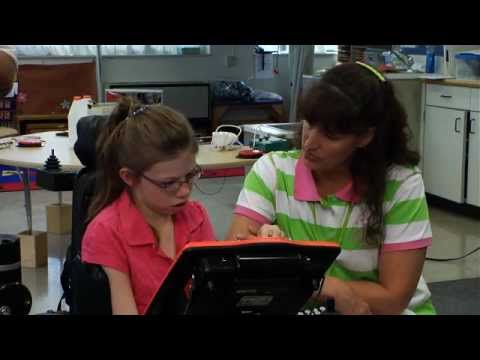
Speech therapy is widely considered essential for autistic children who have communication differences, which is most of them, even those who are verbal. A child who speaks fluently may still struggle with conversational turn-taking, understanding figurative language, or interpreting tone. An SLP can address those layers.
What we’ve seen in our sessions: children make the most progress when their speech therapist and behavior team coordinate directly. When the SLP is working on requesting using a communication device, and the ABA team reinforces that same skill across home, daycare, and community settings, generalization happens faster. Siloed therapies tend to produce siloed results.
Occupational Therapy (OT)
Occupational therapy helps children develop the skills needed to participate in the “occupations” of childhood, playing, learning, dressing, eating, and socializing. For autistic kids, OT often emphasizes sensory integration, fine motor skills, self-regulation strategies, motor planning, and adaptive skills like using utensils or managing clothing fasteners.
Sensory processing differences are common in autism, and a skilled OT can help families understand whether a child is over-responsive, under-responsive, or seeking specific sensory input, and then design environments and strategies accordingly. A weighted vest, a quiet corner, a chewy necklace, or a specific morning routine can change a child’s entire day.
One caveat worth flagging: not all “sensory” interventions are equally supported by research. Sensory integration therapy, as practiced by a licensed OT, has growing evidence behind it. Some adjacent products and protocols marketed to parents do not. When in doubt, ask whether the recommendation comes from a credentialed OT and what outcome data exists.
DIR/Floortime
The Developmental, Individual-differences, and Relationship-based model, usually called DIR or Floortime, was developed by Dr. Stanley Greenspan. It’s a relationship-driven approach in which a caregiver or therapist joins the child in their preferred activity, follows their lead, and gradually expands play to build emotional connection, two-way communication, and abstract thinking.
DIR appeals to many families because it feels intuitive and warm. You’re playing with your child, not running drills. The research base is smaller than ABA’s but has grown meaningfully over the past two decades, with several studies showing gains in social-emotional development and parent-child engagement.
DIR is sometimes positioned as an alternative to ABA, but in practice, many families and providers blend approaches. A child might receive structured skill-building during ABA sessions while parents use Floortime principles during play at home. The two aren’t mutually exclusive, and naturalistic ABA approaches have absorbed many DIR-aligned principles over the years.
Medication
There is no medication that treats autism itself. There are, however, medications that can help manage co-occurring conditions that often accompany autism, anxiety, ADHD, sleep disturbances, severe irritability, depression, OCD, or aggression that haven’t responded to behavioral support.
Decisions about medication belong to a developmental pediatrician, child psychiatrist, or neurologist working closely with the family. Two FDA-approved medications (risperidone and aripiprazole) specifically address irritability associated with autism, while many others are prescribed off-label based on the individual child’s profile.
The thoughtful framing we hear from prescribers we collaborate with: medication is rarely the first tool, but it shouldn’t be ruled out as a last resort either. When a child can’t sleep, can’t focus enough to learn, or is in such distress that therapy itself isn’t accessible, medication can sometimes open the door to everything else working better. It deserves the same evidence-based scrutiny as any other treatment.
How Families Actually Choose
In our work with families across Maryland, the decision rarely comes down to picking one therapy. Most children benefit from a coordinated combination, and the right mix shifts as they grow. A toddler who just received a diagnosis might start with early intervention ABA therapy, and speech therapy. By kindergarten, OT might join the plan to address handwriting and sensory regulation. In adolescence, the focus might shift toward social skills groups and, in some cases, medication for co-occurring anxiety.
A few questions worth asking about any therapy under consideration:
What specific skills or outcomes will this address for my child? How will progress be measured, and how often will we review it? What does a typical session look like, and how is the child involved in setting goals? How does this provider coordinate with our other clinicians and our child’s school? What does the research actually say, and what does it not say, about this approach for kids like mine?
Providers who welcome these questions are usually the ones worth working with.
Where Schools Fit In
For families in Maryland, the public school system is a major part of the treatment landscape. Through the Individuals with Disabilities Education Act (IDEA), eligible children receive services through Individualized Education Programs (IEPs), often including speech, OT, and specialized instruction. Children under three may qualify for the Maryland Infants and Toddlers Program, which coordinates early intervention at no cost to families.
School-based services and private therapies aren’t redundant; they target different goals in different settings. The strongest outcomes we’ve seen come from families who treat the school team, private clinicians, and home environment as one coordinated system rather than three separate ones.
A Final Note
There is no single “best” autism therapy. There are evidence-based options, each with strengths and limitations, and the right combination depends on the child in front of you, their age, profile, family situation, and goals. The most helpful thing a parent can do early on is stay curious, ask hard questions, and trust providers who treat your child as a whole person rather than a diagnosis.
Conclusion
ABA, speech therapy, occupational therapy, DIR/Floortime, and medication each have a role in evidence-based autism care. None of them is a competitor in a winner-take-all contest. They are tools, and the most successful treatment plans use them in thoughtful combinations. Families who understand what each one does, what the research supports, and what to ask providers are far better positioned to advocate for their child and build a team that fits.
Ready to Talk Through Your Child’s Options?
Admire ABA provides in-home ABA therapy, parent training, early intervention, and diagnostic services to families across Bowie, Annapolis, Silver Spring, and other communities in Maryland. If you’re trying to figure out where to start, or how ABA therapy might fit alongside the other therapies your child is already receiving, we’re happy to talk it through with no pressure.
Contact us today to schedule a free consultation with our team.
Frequently Asked Questions
What is the most effective therapy for autism?
There’s no single most effective therapy, because autism presents differently in every child. The strongest research base supports Applied Behavior Analysis (ABA), particularly when started early and individualized to the child. That said, most children benefit from a combination, typically some mix of ABA, speech-language therapy, and occupational therapy, with medication considered when co-occurring conditions like anxiety or sleep issues interfere with daily functioning. The “best” therapy is the one matched to your child’s specific needs and goals.
Can my child receive ABA and other therapies at the same time?
Yes, and most children do. ABA, speech therapy, and occupational therapy are complementary rather than competing. Each targets different skills. Coordination between providers matters more than choosing one over another. When your behavior team, SLP, and OT communicate regularly and align goals, your child generalizes skills faster across home, school, and community settings. Most insurance plans, including Maryland Medicaid, cover multiple therapies concurrently when each is medically necessary.
At what age should autism therapy start?
Earlier is generally better. Research consistently shows that intervention beginning between ages 18 months and 3 years produces the strongest long-term outcomes, because this is when the brain is most adaptable. Maryland’s Infants and Toddlers Program serves children from birth to age three at no cost, and private early intervention ABA can typically begin shortly after a diagnosis. That said, therapy is valuable at any age. Older children, teens, and adults can all make meaningful gains with the right support.
SOURCES:
- https://www.ed.gov/sites/ed/files/parents/needs/speced/iepguide/iepguide.pdf
- https://www.asha.org/njc/aac/?srsltid=AfmBOoonOxcONoN5-Fz3qKNb5coAfF9yF2PJ44i1TFdtWy7_AKQ6DQWb
- https://www.assistiveware.com/learn-aac/what-is-aac
- https://dpi.wi.gov/sped/augmentative-and-alternative-communication-aac
- https://en.wikipedia.org/wiki/Augmentative_and_alternative_communication