Introduction
When a child engages in a challenging behavior, whether it’s hitting, screaming, eloping, or repeating the same phrase for the hundredth time, parents and caregivers often ask the same question: Why is this happening?
In Applied Behavior Analysis (ABA), the answer almost always comes back to one concept: function. Every behavior, no matter how puzzling it looks from the outside, serves a purpose for the person doing it. Understanding that purpose is the foundation of every effective ABA treatment plan.
In this guide, we’ll walk through the four main functions of behavior recognized in ABA, how clinicians identify them, and what this means for families navigating autism support services across Maryland.
What Does “Function of Behavior” Actually Mean?
In ABA, the “function” of a behavior refers to why a person engages in it, what they get out of it, or what it helps them avoid. Behavior is communication. A child who flops to the floor when asked to clean up isn’t being “bad”; they’re communicating something through action because words may not be working, available, or effective at that moment.
This is why two children can do the exact same thing, say, throw a toy, and yet need completely different interventions. One might be throwing the toy to get a parent’s attention. The other might be throwing it to escape a demand. Same behavior, totally different function, and therefore totally different teaching strategy.
In our sessions, we’ve seen this distinction transform how families respond to their children. Once you can name the function, you stop reacting to the behavior and start teaching a more effective replacement.
Understanding why behaviors happen
Every behavior serves a purpose. Our team helps families understand what is driving their child's behavior and build supportive, individualized strategies around it.
Talk to Admire ABA
The 4 Main Functions of Behavior
ABA research has consistently identified four primary functions of behavior. They’re often remembered with the acronym SEAT: Sensory, Escape, Attention, and Tangible.
1. Attention (Social Reinforcement)
Behaviors that occur to gain attention from another person fall under this function. Attention can be positive (praise, hugs, eye contact, laughter) or negative (scolding, reprimands, lectures). For some children, any attention is preferable to no attention.
Common examples include:
- Shouting a parent’s name repeatedly while they’re on the phone
- Making silly noises during a quiet activity
- Hitting a sibling when a caregiver enters the room
- Tantruming in public where others can see
What it looks like in practice: A four-year-old in one of our in-home programs would consistently knock items off the kitchen counter, but only when his mother was nearby. He never did it when alone or when she was out of the room. That pattern was the giveaway. The behavior wasn’t about the items at all; it was about getting mom’s eyes on him.
How ABA addresses it: We teach functional communication, asking for attention with a word, sign, picture exchange, or device, and pair that with consistent reinforcement when the child uses the appropriate request.
2. Escape (Avoidance)
Escape-maintained behaviors are designed to get out of, avoid, or delay something the person finds aversive. That “something” might be a difficult task, a sensory experience, a social interaction, or a transition.
Common examples include:
- Crying or screaming when handed homework
- Running away during toothbrushing
- Throwing materials when asked to write
- Saying “I’m tired” right before non-preferred activities
What it looks like in practice: During parent training sessions, we frequently hear, “She only does this when it’s bath time.” That’s a strong escape signal. The behavior reliably appears in the presence of a specific demand and disappears once the demand is removed.
How ABA addresses it: We focus on building tolerance through gradual exposure, breaking tasks into smaller steps, embedding choices, and teaching the child appropriate ways to request breaks. Punishing escape behavior without teaching a replacement often just intensifies it.
3. Access to Tangibles
This function refers to behaviors aimed at gaining access to a preferred item, activity, food, or person. If a behavior consistently results in the child getting something they want, that behavior is being reinforced, even when adults don’t realize they’re doing the reinforcing.
Common examples include:
- Crying until handed a tablet
- Grabbing a sibling’s toy
- Pushing past a parent to reach the cookie jar
- Tantruming at checkout to get a candy bar
What it looks like in practice: One family we worked with through our daycare-based ABA program described daily meltdowns at pickup time. The pattern? The child wanted to keep playing with a specific toy at daycare. Once we identified tangible access as the function, we built in a structured transition routine with a “take-home” preferred item and a clear visual schedule. The meltdowns dropped dramatically within two weeks.
How ABA addresses it: We teach requesting (manding) using whatever communication mode fits the child, set up structured access to preferred items, and ensure that the appropriate request, not the challenging behavior, is what consistently produces the desired result.
4. Sensory (Automatic Reinforcement)
Sensory-maintained behaviors are the trickiest because they aren’t motivated by anyone or anything external. The behavior itself produces a reinforcing internal experience—it feels good, relieves discomfort, or provides stimulation the child is seeking.
Common examples include:
- Hand-flapping
- Rocking
- Vocal stimming (repeating sounds, words, or phrases)
- Visual stimming (staring at lights, spinning objects)
- Skin-picking or hair-twirling
What it looks like in practice: Sensory behaviors continue whether or not anyone is watching, whether or not demands are present, and whether or not preferred items are available. That consistency across environments is the clearest indicator.
How ABA addresses it: First, it’s important to note that not all sensory behavior needs to be reduced. Many forms of stimming are harmless and serve genuine regulatory needs. Intervention is appropriate when the behavior causes harm (self-injury), prevents learning, or significantly interferes with daily life. In those cases, we identify the sensory need being met and teach safer, more functional alternatives that provide similar input.
How ABA Therapists Identify the Function
Identifying the function isn’t guesswork, it’s based on systematic observation. ABA professionals use a process called a Functional Behavior Assessment (FBA), which typically includes:
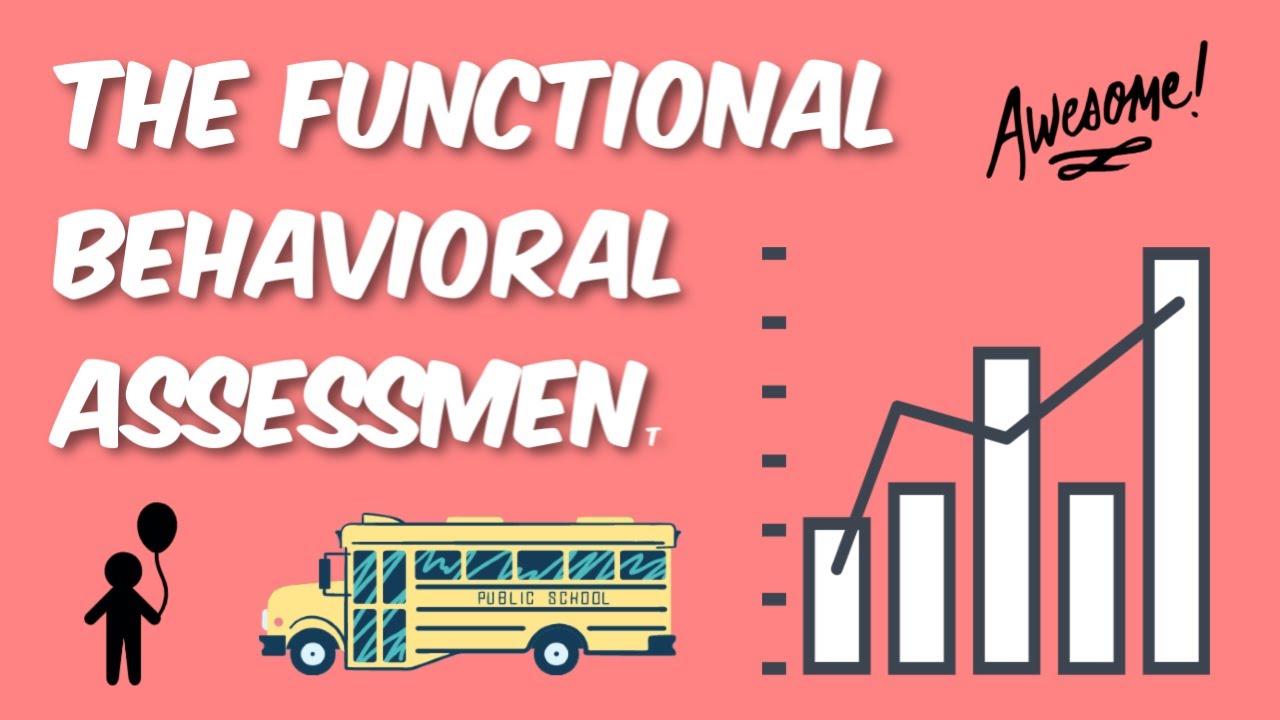
- Indirect assessment: Interviews with parents, teachers, and caregivers about when and where the behavior happens
- Direct observation: Watching the behavior in natural settings and recording what happens immediately before (antecedent) and immediately after (consequence)
- Functional analysis: In some cases, systematically testing different conditions to confirm the function
The result is a clear hypothesis about why a behavior is occurring, which then drives the entire treatment plan, from skill-building goals to how everyone in the child’s life is taught to respond.
Why This Matters for Maryland Families
For families navigating autism services in Maryland, understanding function is one of the most empowering things you can take from ABA. It shifts the conversation away from “How do I stop this behavior?” toward “What is my child trying to tell me, and what skill can I teach instead?”
We’ve seen this play out across every service we offer, from early intervention with toddlers just beginning to communicate, to weekend ABA programs supporting school-age children, to parent training sessions where caregivers learn to spot functional patterns in real time. When parents understand function, they stop fighting the behavior and start coaching their child toward more effective communication. The child wins. The family wins. The progress sticks.
Conclusion
Every behavior serves a purpose, and in ABA, those purposes fall into four core functions: attention, escape, tangible, and sensory. The behavior itself is just the visible tip of the iceberg. What matters is the function underneath it, because that’s what determines which intervention will actually work.
Whether your child’s behavior is rooted in seeking connection, escaping a demand, accessing something they want, or meeting a sensory need, the goal of ABA is never to suppress the message. It’s to teach a clearer, safer, more effective way to send it. Once you understand the four functions of behavior, you have a framework for making sense of moments that once felt chaotic, and that’s the first step toward lasting change.
Ready to Get Started?
At Admire ABA, our team conducts thorough functional behavior assessments and builds individualized treatment plans rooted in the science of ABA. We provide in-home ABA, parent training, daycare-based ABA, weekend ABA, early intervention, and diagnostic services to families in Baltimore, Columbia, Silver Spring, and other communities throughout Maryland.
Learn how identifying the function of your child’s behavior can transform your family’s day-to-day life. Contact us today!
Frequently Asked Questions
What are the 4 functions of behavior in ABA therapy?
The four main functions of behavior in ABA are attention, escape (or avoidance), access to tangibles, and sensory (automatic reinforcement). Every challenging behavior typically serves at least one of these functions, and identifying which one is driving the behavior is essential to designing an effective treatment plan.
How do ABA therapists determine the function of a behavior?
ABA therapists use a Functional Behavior Assessment (FBA), which combines caregiver interviews, direct observation of the behavior in natural settings, and analysis of the antecedents (what happens before) and consequences (what happens after) the behavior. In some cases, a more controlled functional analysis is used to confirm the hypothesis.
Can a behavior have more than one function?
Yes. Many behaviors are multiply maintained, meaning they serve more than one function depending on the situation. For example, a child might throw a tantrum to escape demands in one setting and to gain attention in another. Effective ABA treatment accounts for all relevant functions rather than assuming a single cause.
SOURCES:
- https://files.eric.ed.gov/fulltext/ED595335.pdf
- https://education.mn.gov/MDE/dse/sped/FBA/
- https://teach.com/online-ed/psychology-degrees/online-masters-applied-behavior-analysis/functional-behavior-analysis/
- https://dpi.wi.gov/sped/topics/functional-behavioral-assessment
- https://psycnet.apa.org/record/2019-15833-006