
Introduction
New situations, a first day at a new school, a dental appointment, a birthday party at an unfamiliar house, can bring up real uncertainty for autistic children. When a child doesn’t know what to expect, that unpredictability can turn an ordinary event into a source of stress. Social stories are one of the most practical, well-established tools available to help children prepare for these moments with more confidence and less anxiety.
In this article, we’ll explain what social stories are, why they work, and how parents, educators, and ABA professionals can use them effectively to support autistic children through change.
What Are Social Stories?
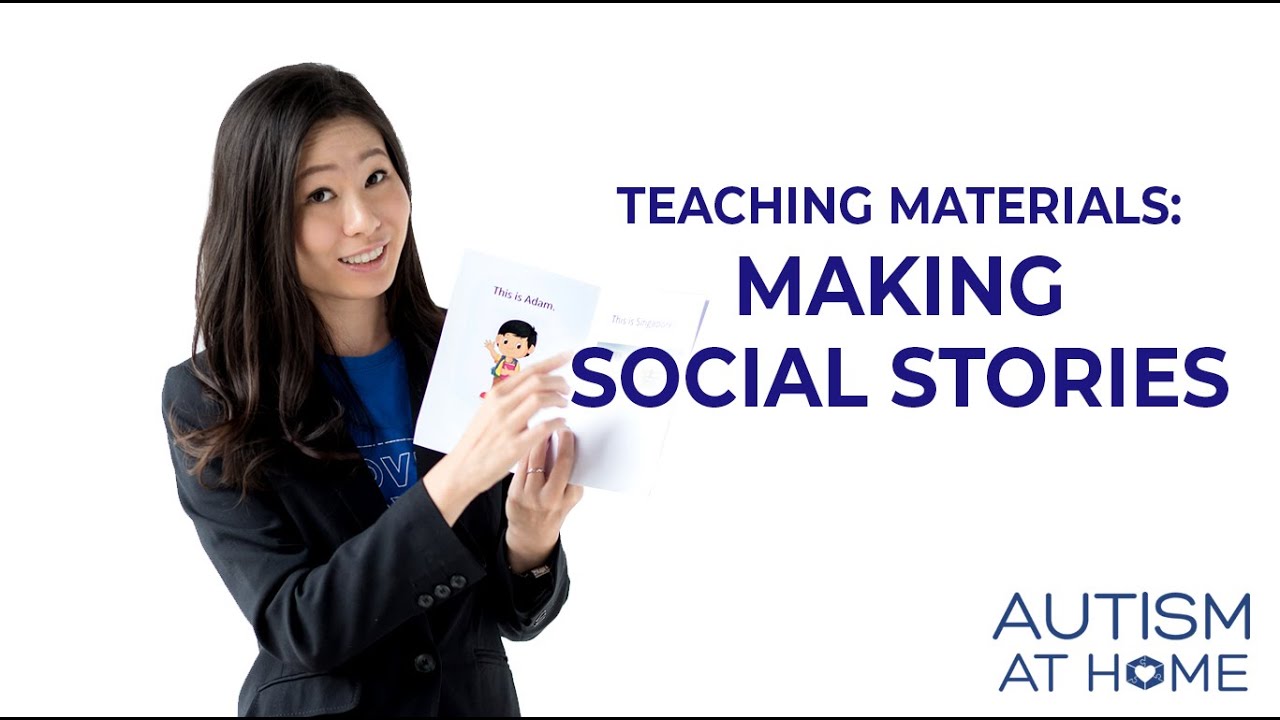
A social story is a short, individualized description of a situation, skill, or concept, written in a way that’s specific and easy for a child to understand. Developed by Carol Gray in the early 1990s, social stories break down social expectations, routines, or upcoming events into clear, concrete language paired with simple visuals.
Rather than telling a child what not to do, a well-written social story focuses on describing what typically happens in a situation and what a calm, successful response might look like. The goal isn’t to script behavior word for word. It’s to build understanding so the child feels more prepared.
Why New Situations Can Be Difficult for Autistic Children
Many autistic children rely on predictability to feel secure. Routines offer a sense of control, and when those routines shift, even in small ways, it can be genuinely disorienting. A new situation often means:
- Unfamiliar sounds, lighting, or physical spaces
- Unclear expectations about what will happen or how long it will last
- New people whose reactions and behavior are hard to predict
- Sensory input that differs from what the child is used to
None of this reflects a deficit in the child. It reflects a mismatch between an unpredictable environment and a nervous system that works hard to make sense of the world. Social stories help close that gap by offering information in advance, so the unfamiliar becomes a little more familiar before it happens.
How Social Stories Support Autistic Children
Building Predictability and Reducing Anxiety
When a child has a clear picture of what to expect, much of the guesswork disappears. Reading through a story ahead of time, sometimes several times over a few days, gives the child a mental rehearsal of the event. This repetition can meaningfully lower anxiety before an unfamiliar experience.
Teaching Expected Behaviors and Social Cues
Social stories can also introduce social expectations in a low-pressure way. Instead of correcting a behavior in the moment, which can feel abrupt or overwhelming, a story lays out expectations calmly and in advance. This gives the child time to process the information without the added pressure of a live social interaction.
Encouraging Independence and Self-Advocacy
A well-designed social story doesn’t just describe what will happen. It can also model language the child might use to express a need, ask a question, or request a break. Over time, this can help build a child’s confidence in speaking up for themselves, whether that’s asking a teacher for clarification or letting a caregiver know they need a moment to regroup.
Common New Situations Where Social Stories Help
Starting School or a New Classroom
A new classroom brings new routines, new adults, and new peers all at once. A story that walks through the school day, from arrival to dismissal, can make the first days feel much less overwhelming.
Medical and Dental Visits
Appointments often involve waiting rooms, unfamiliar equipment, and physical touch from someone the child doesn’t know well. A story that previews the visit step by step, including what tools might be used and why, can reduce distress significantly.
Family Gatherings and Community Outings
Holidays, birthday parties, and other group events introduce noise, crowding, and social expectations around greetings or turn-taking. A story that outlines who will likely be there and what the event will look like can help a child feel more grounded.
Changes in Routine
Even smaller shifts—a substitute teacher, a rescheduled therapy session, a detour on the usual drive home—can be supported with a short story that acknowledges the change and reassures the child that it’s okay.
How to Write an Effective Social Story
Keep Language Simple and Concrete
Avoid abstract phrasing or idioms. Describe exactly what will happen using clear, literal language the child can picture.
Use First-Person or Third-Person Perspective
Many practitioners write stories from the child’s own point of view (“I go to the doctor” or “When I go to the doctor”), which can make the content feel more personal and easier to internalize.
Include Positive, Descriptive Sentences
Carol Gray’s original framework emphasizes descriptive and perspective sentences over directive ones. Rather than “I must sit still,” a story might say, “Many kids sit in a chair while the doctor checks their ears. Sitting still helps the visit go quickly.” This framing describes the situation rather than issuing a command, which tends to feel less confrontational to the child.
How ABA Therapists Use Social Stories in Practice
Social stories work especially well when they’re paired with individualized therapy goals rather than used as a generic worksheet. In our sessions, we often build a story around a specific upcoming event a family has told us about, whether that’s an IEP meeting, a family trip, or a first visit to a new pediatrician.
We’ve seen children go from refusing to enter a dental office to walking in calmly after a few days of reviewing a personalized story about what the visit would involve. The story didn’t eliminate every bit of nervousness, but it gave the child enough of a framework to manage the experience without becoming overwhelmed. This is often the real value of a social story: not removing anxiety completely, but making it manageable.
Our therapists also train parents and caregivers to write and use social stories independently, since consistency between sessions and daily life tends to produce the strongest results.
Tips for Parents and Educators Using Social Stories at Home and School
- Introduce the story several days before the event, not just the morning of
- Read it in a calm, low-distraction setting
- Pair text with photos or simple drawings when possible
- Reread the story after the event to reinforce what went well
- Keep a small library of stories for recurring situations, like haircuts or car rides, so they’re ready when needed
Consistency matters more than perfection. A simple, honest story reviewed regularly tends to be more effective than an elaborate one used only once.
Conclusion
Change is a part of life, but for autistic children, unexpected or unfamiliar situations can bring a level of stress that’s easy to underestimate. Social stories offer a simple, evidence-informed way to preview what’s coming, build understanding, and give children the tools to feel more in control. Whether it’s a first day of school or a routine trip to the dentist, a little preparation can make a meaningful difference.
If you’re looking for support building social stories or other practical tools tailored to your child’s needs, our team is here to help.
Admire ABA proudly supports families throughout Maryland, including Towson, Rockville, and Annapolis, with in-home ABA therapy, parent training, daycare-based ABA, weekend ABA, early intervention services, and diagnostic services.
Contact us today to learn more about how our team can support your family.
Frequently Asked Questions
What age group benefits most from social stories?
Social stories are commonly used with young children, but they can be adapted for older children and teens as well. The key is matching the language, length, and format to the individual’s comprehension level rather than their age alone.
How long should a social story be?
Most effective social stories are short, often a single page or a few sentences per topic. The goal is clarity, not comprehensiveness. A shorter, focused story is usually easier for a child to process than a long one.
Can social stories be used for children who are nonspeaking?
Yes. Social stories can be adapted with picture symbols, photographs, or augmentative and alternative communication (AAC) tools so that nonspeaking children can engage with the content in a way that matches how they communicate.
SOURCES:
- https://carolgraysocialstories.com/
- https://www.cdc.gov/autism/index.html
- https://www.nichd.nih.gov/health/topics/autism
- https://afirm.fpg.unc.edu/
- https://researchautism.org/
- https://www.autism.org.uk/
- https://www.abainternational.org/